

Creating and tracking your dreams can feel daunting at times. You might be searching for ways to express those dreams visually or through words. This post is here for you. I’ve gathered some inspiring journal ideas that can help you creatively track your dreams and aspirations. Whether you want to map out your goals or simply reflect on your journey, these ideas will spark your creativity.
If you’re someone who loves to journal, craft, or just express yourself, this is meant for you. It doesn’t matter if you’re an experienced journaler or just starting your journey; you’ll find something valuable here. These creative journaling ideas will help you connect with your inner self while adding a splash of fun to your routine.
Get ready for a deep dive into nine unique journal ideas that serve as a bucket list for tracking your dreams. Each idea offers a unique way to engage with your thoughts and emotions. You’ll discover how to map your dreams, express gratitude, and even document your adventures. Let’s harness the power of creative journaling for personal growth together!
Key Takeaways
– Diverse Journaling Ideas: Explore nine unique journal ideas that cater to different aspects of personal growth, from dream mapping to gratitude journaling.
– Creative Expression: Engage your artistic side through art journaling and creative writing prompts, allowing for deeper self-expression.
– Emotional Insight: Use mood tracking and reflection journaling to gain insights into your emotional journey and personal development.
– Goal Setting: Craft a bucket list to visualize your life goals and aspirations; this practice can motivate you to take actionable steps toward your dreams.
– Adventure Documentation: Capture your travel experiences with dedicated travel journaling, making your adventures memorable and relatable.
1. Dream Mapping: Visualize Your Future

Are you ready to turn your dreams into reality? Dream mapping offers a fun and creative way to visualize your aspirations. By using vibrant colors, captivating images, and meaningful symbols, you can create a mind map that captures your hopes, whether they are about travel, career, or personal growth. This engaging approach not only organizes your thoughts but also adds a splash of creativity to your journal.
Start by gathering materials that inspire you, like colored markers and magazine cutouts. Break your map into sections for different life areas, and let your imagination flow as you illustrate your dreams.
Key elements to enhance your dream map:
– Use magazine cutouts to represent your goals visually.
– Choose colors that resonate with your feelings for each section.
– Embrace creativity without limits—there’s no wrong way!
Get ready to bring your dreams to life and watch as they unfold before you, creating a vivid representation of your future.
2. Gratitude Journaling: Record Joyful Moments

Do you want to cultivate a more positive mindset? Gratitude journaling is a simple yet effective way to celebrate the good in your life. By dedicating a section to note down daily moments of gratitude, you nurture positivity and track your emotional journey. Add stickers, drawings, or photos to visually enhance these memories, transforming your journal into a joyful celebration of life.
To make this practice effective, set aside time each day for your gratitude entries. You can also mix in inspiring quotes or sketches to keep things fresh and engaging.
Tips for a fulfilling gratitude practice:
– Set a daily routine to reinforce this habit.
– Include sketches or quotes to personalize your entries.
– Reflect monthly to see how your gratitude expands over time!
Your gratitude journal can shift your perspective and help you appreciate life’s simple joys, leading to a happier mindset.
3. Bucket List: Crafting Your Life Goals
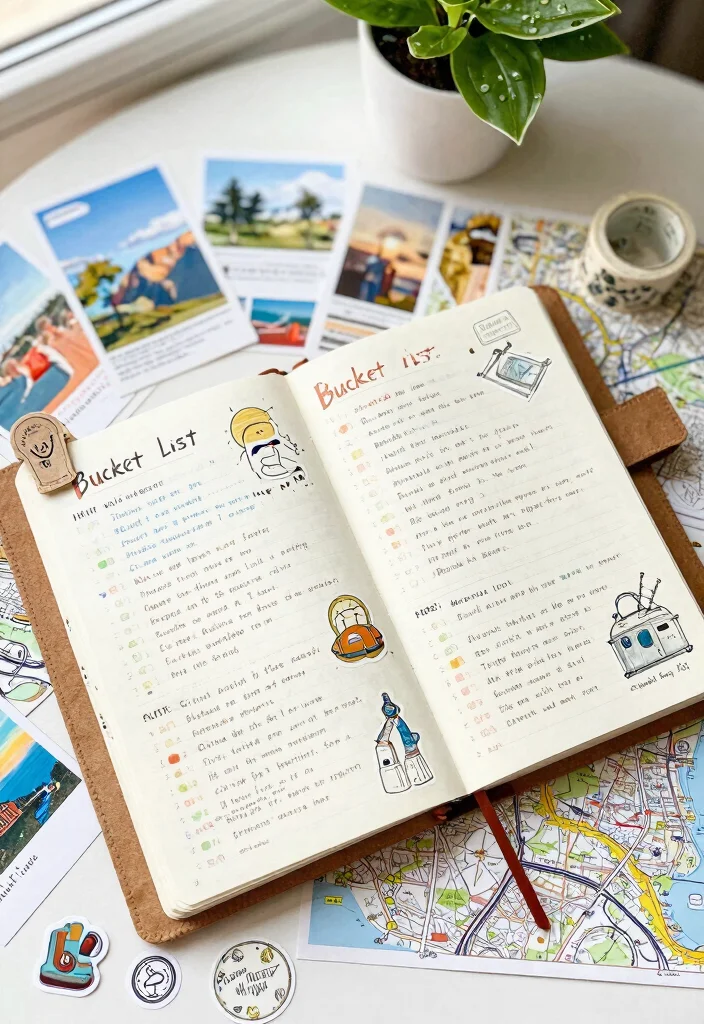
Are you excited to chase your dreams? Creating a bucket list journal is a fantastic way to outline your aspirations and adventures. Start with broad categories, such as travel or skills you want to learn, and dedicate pages to each goal where you can jot notes, sketches, or even collect mementos. This journal will evolve with you, reflecting your journey as you check off experiences and add new dreams.
Think about including both large ambitions and simple pleasures in your bucket list. Setting timelines can also give you motivation to reach your goals.
Steps to create your bucket list:
– Start with broad categories to organize your goals.
– Illustrate each goal with drawings or collages for visual appeal.
– Set timelines to keep yourself motivated.
Your bucket list journal can inspire you to live fully and seize every opportunity, making life an exciting adventure.
4. Mood Tracking: Chart Your Emotional Journey
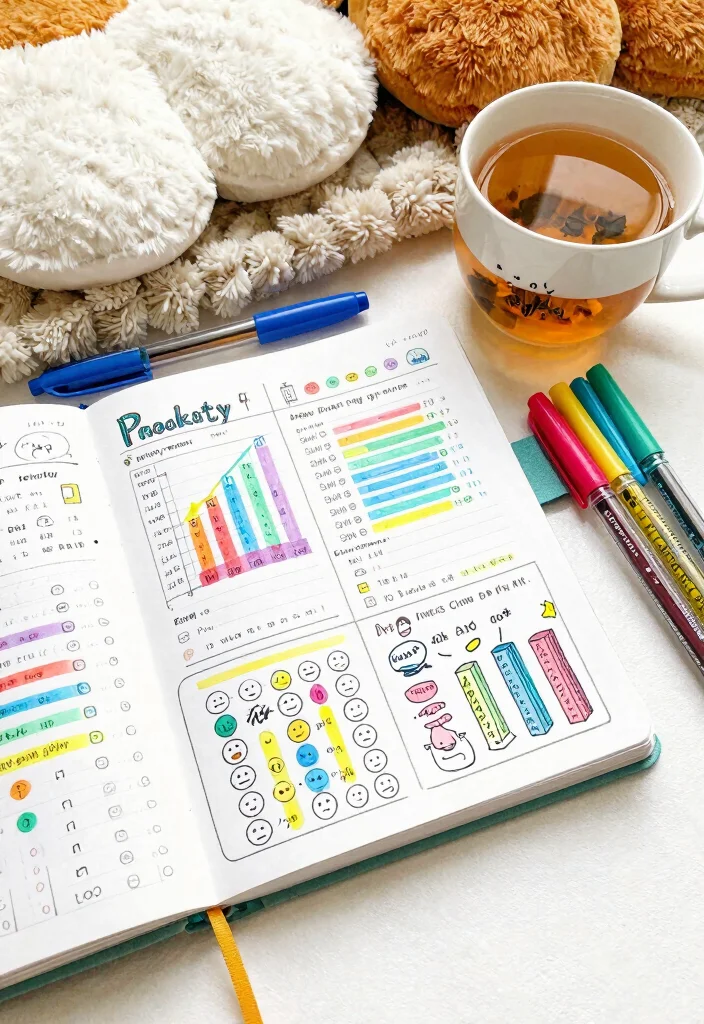
Do you want to better understand your emotions? Mood tracking is a fantastic way to analyze your emotional state over time. Set aside a section in your journal to record your daily mood using color coding or emojis. Creating a monthly mood tracker can visually represent your feelings, helping you identify patterns and triggers in your emotional landscape.
To maximize the effectiveness of your mood tracking, be consistent and note any events influencing your emotions. Use colors or drawings that resonate with your feelings to add a personal touch.
Tips for effective mood tracking:
– Record your mood consistently at the same time each day.
– Include notes to explain your feelings and influences.
– Use art to represent your emotions creatively.
By tracking your mood, you can gain insights into your emotional health and find new ways to express yourself creatively.
Fun fact: Consistently tracking your mood can reveal patterns you didn’t notice before. As part of your journal ideas bucket list, log emotions daily and see clearer triggers—often you’ll feel calmer up to 30% of the time.
How To Choose the Right Journal Ideas for Your Bucket List
When it comes to creative journaling, selecting the right journal ideas can set the tone for your personal growth journey. Whether you want to track your dreams or document your life experiences, certain criteria can help you make the best choice. Here are some essential factors to consider:
1. Purpose
Before picking a journal idea, identify your main goal. Are you looking to boost creativity, track emotions, or map out your dreams? Each purpose requires a different approach. For example, gratitude journaling focuses on positivity, while dream mapping visually outlines your future goals. Knowing your purpose will guide you in selecting the right project.
2. Format
Consider how you want to express your thoughts. Would you prefer a traditional diary, a bullet journal, or an art journal? Each format has its benefits. A bullet journal helps you stay organized, while an art journal allows for creative expression through drawings and mixed media. Think about what will inspire you to write and create regularly.
3. Supplies and Materials
The tools you use can enhance your journaling experience. Do you enjoy writing with colored pens, using stickers, or incorporating scrapbook elements? Choose materials that excite you. If you’re crafting your own journal, consider using high-quality paper that feels good to write on. This simple choice can boost your motivation and enjoyment.
4. Time Commitment
Assess how much time you can dedicate to your journaling project. Some ideas, like mood tracking, require daily entries, while others, like vision boards, might take a few hours to create. Be realistic about your schedule. If you’re busy, opt for shorter, less time-consuming projects to avoid feeling overwhelmed.
5. Personalization
Your journal should reflect your personality and interests. Choose topics that resonate with you. For instance, if you love traveling, travel journaling will be more engaging than a basic diary. Adding personal touches like photos, drawings, or quotes can make your journal feel truly yours. This connection will motivate you to keep working on it.
6. Community and Inspiration
Look for inspiration from others. Check out online communities, social media, or local workshops. Engaging with fellow journalers can provide motivation and new ideas. You might discover unique techniques or thematic approaches to journaling you hadn’t considered. Sharing your work with others can also enhance your commitment to the process.
Pro Tip: Start small! Choose one journal idea that excites you, and commit to it for a month. This approach allows you to explore without feeling overwhelmed. If you find a project that really resonates with you, you can then expand on it or incorporate other ideas into your routine. Remember, journaling is meant to be fun and fulfilling, so enjoy the journey!
5. Travel Journaling: Document Your Adventures
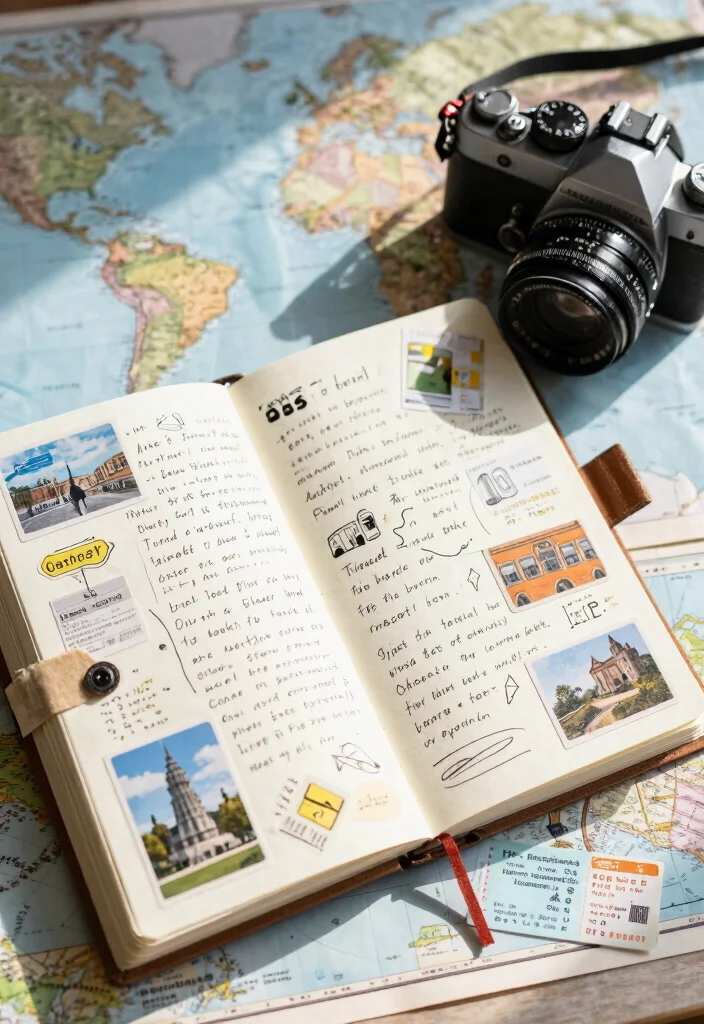
Are you eager to capture your travel experiences? Travel journaling allows you to document not just where you’ve been but also the feelings and stories that come with each journey. Use a dedicated journal to include sketches, ticket stubs, or even maps, creating a beautiful keepsake filled with memories and emotions.
Write daily while you’re traveling, reflecting on your experiences to capture the moment fully. Leave space for visuals like photographs or drawings to enrich your storytelling.
Practical tips for travel journaling:
– Write daily to capture your thoughts and feelings.
– Add visuals like photos or sketches for depth.
– Keep space for keepsakes or collages.
Your travel journal will become a cherished reminder of your adventures, preserving the essence of your journeys for years to come.
Fun fact: travelers who write daily keep 60% more detail—tickets, sketch ideas, and little maps—than those who don’t. Turn every trip into a travel journal you can revisit on your journal ideas bucket list and relive the moment anytime.
6. Creative Writing Prompts: Explore Your Imagination

Are you ready to unleash your creativity? A creative writing prompt journal can take you on exciting journeys of imagination and storytelling. Each page can feature a different prompt that encourages you to think outside the box, from writing letters to your future self to describing fantastical worlds.
Engaging with these prompts can lead to inspiring stories, poems, or reflections. Challenge yourself to write continuously as you embrace the flow of creativity.
Ways to use creative writing prompts:
– Set a time limit to write without stopping.
– Revisit old prompts for fresh inspiration.
– Combine with visuals to spark ideas.
Your prompt journal will open doors to new worlds and ideas, enhancing your writing and imaginative skills.
7. Art Journaling: Express Your Inner Artist
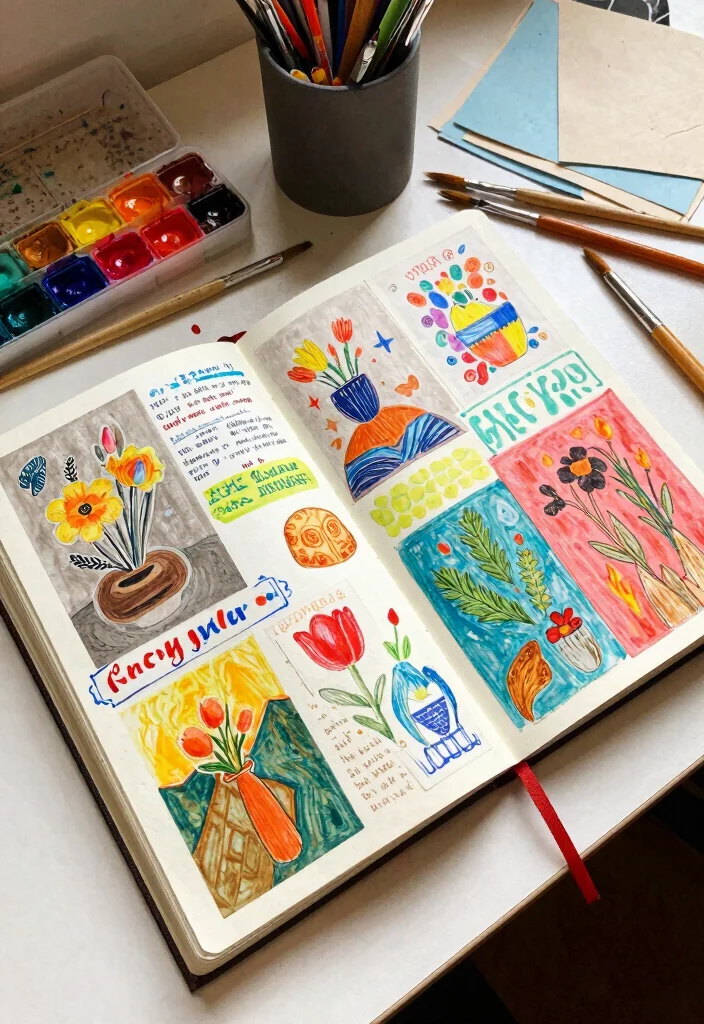
Do you want to explore your artistic side? Art journaling blends visual art with writing, allowing you to express emotions and ideas creatively. Use various mediums like paintings, sketches, and collages to illustrate your thoughts, creating a therapeutic space for exploration.
Feel free to experiment with different techniques and styles, as each page can reflect your unique artistic journey. Use prompts if you need inspiration to guide your creations.
Tips for successful art journaling:
– Embrace imperfection; this is a space for exploration.
– Combine mediums for unique effects and textures.
– Use prompts to inspire your artwork.
Art journaling will not only enhance your creativity but also provide a therapeutic outlet for your feelings.
8. Reflection Journaling: Grow Through Insights

Do you wish to gain deeper insights into your life? Reflection journaling is a powerful method for personal growth. Set aside dedicated time each week or month to contemplate your experiences, challenges, and lessons learned. You can explore questions like ‘What did I learn today?’ to foster self-discovery.
Documenting your thoughts will help you gain clarity and recognize your progress over time. Consider including quotes or affirmations that resonate with you during your reflections.
Steps to effective reflection journaling:
– Be honest with your feelings in a safe space.
– Include quotes or affirmations for inspiration.
– Review past entries to see your growth.
Your reflection journal will illuminate your personal journey, helping you navigate life’s challenges with greater wisdom.
Reflection journaling is the secret weapon for personal growth—turns daily moments into lasting insights. Add ‘journal ideas bucket list’ as a weekly reminder: ask what you learned, capture your wins, and watch your progress unfold.
9. Vision Board: Create Your Future
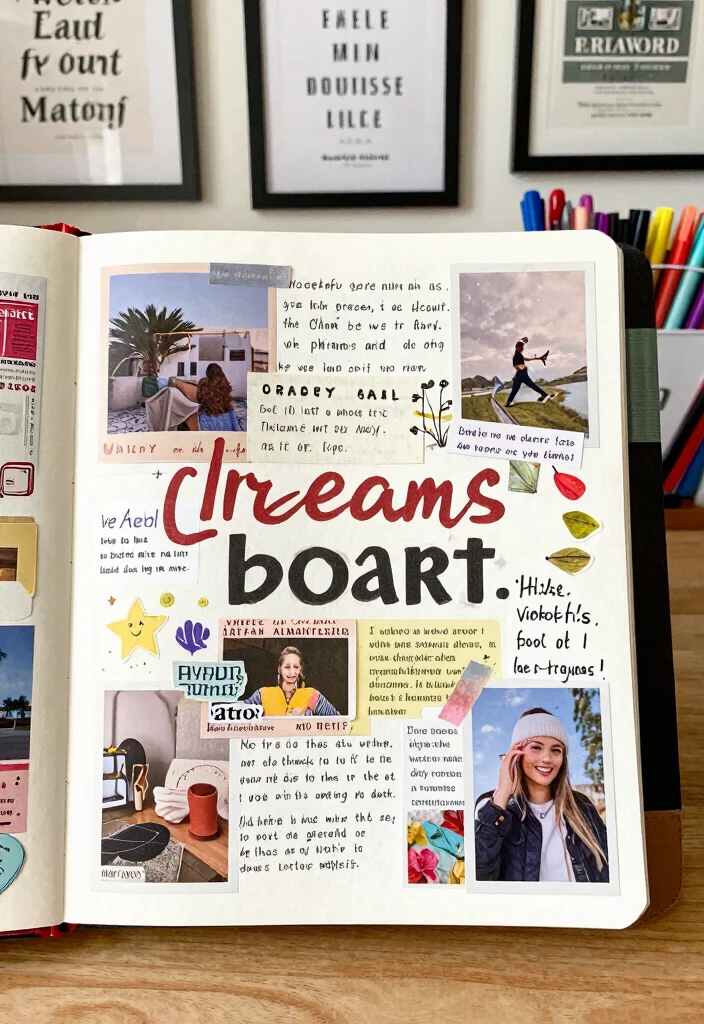
Are you ready to visualize your dreams? Vision boards serve as powerful reminders of your goals and aspirations. In your journal, create a mini vision board with images, symbols, and words that resonate with what you aim to achieve. This creative process can be both fun and motivational.
Gather materials like magazines and personal quotes that inspire you to reinforce your intentions. Place your vision board where you can see it often to stay focused on your dreams.
Steps to create your vision board:
– Collect magazines or print visuals that inspire you.
– Add quotes or affirmations that motivate you.
– Arrange them in a way that feels meaningful to you.
Your vision board will not only spark creativity but also keep your dreams alive, guiding you toward your future.
Conclusion
Creating a journal ideas bucket list can lead you to incredible insights and personal growth.
These creative journaling practices not only help track your dreams but also encourage self-expression and reflection. Embrace the adventure of journaling, letting your creativity flow without inhibitions.
The beauty of journaling lies in its personal nature—there’s no right or wrong way to do it. Start your journey today and discover the transformative power of a well-crafted journal.
Frequently Asked Questions
What is a journal ideas bucket list, and how can it boost my creative journaling journey?
A journal ideas bucket list is a curated lineup of prompts, projects, and dream goals you want to explore in your journal. It helps you stay curious and keeps your creative journaling fresh. To start: list 9 ideas you love, choose a format (art journals, writing journals, or a mix), decide how often you’ll work on a new item, and create simple templates so you can craft your own journal with ease.
Then set a light routine: 15–20 minutes a day or a weekly session, and track progress with tiny check-ins. Break items into actions—gather supplies, sketch layouts, photograph pages, reflect on growth, and note what you learned. A journal ideas bucket list keeps your personal growth journey creative and focused.
Which dream tracking ideas work best for DIY journal projects, and how do I pick the right ones?
Start with a handful of dream tracking ideas that feel achievable and meaningful. For DIY journal projects, try sections like a dream diary, a goal map, a color-coded mood chart, and a monthly dream review. Pick ideas that align with your values and that you’ll actually use—three to five is a good starter. Create simple templates and a quick daily jot-down routine. Remember to review dreams monthly to see patterns and celebrate growth. The more you engage, the more bucket list inspiration you’ll gain for creative journaling.
What are practical prompts I can use for bucket list inspiration in a craft your own journal approach?
Try prompts that spark action, not just reflection. Examples: ‘If I could try one new skill this month, what would it be?’ ‘Sketch a page that visualizes a dream coming true.’ ‘What are 5 tiny steps toward a big goal, and when will I take them?’ Use these prompts to fill a page with sketches, collage, and handwriting. Keep a recurring ‘ideas’ spread where you paste new prompts and tag them with a date. This keeps bucket list inspiration fresh and helps you craft your own journal with energy.
How can I structure a 9-item journal ideas bucket list to track dreams creatively?
Think of nine themes that matter to you, and assign one dream tracking idea per item. Example: ‘Track a dream nightly for 9 days’, ‘Create a dream collage’, ‘Build a mini goal map’, ‘Record a daily small win’, ‘Review a dream weekly’ — adapt to your life. Create a simple template grid you can repeat, or a vertical list with checkboxes. This structure keeps your journal ideas bucket list approachable and ensures you cover different aspects of personal growth through creative journaling.
What are quick-start tips to begin a DIY journal project today, even with a busy schedule?
Start small: pick one dream and one DIY journal project you can finish in 15 minutes. Gather a tiny kit (notebook, pens, scissors, glue, some stickers). Block out a 10–15 minute daily or every-other-day slot. Use a ready-made dream tracking ideas list and fill one line per entry. Keep it simple, celebrate tiny wins, and gradually add pages to your craft your own journal collection.
Related Topics
journal ideas bucket list
creative journaling
dream tracking
DIY journal projects
bucket list inspiration
art journaling
personal growth
beginner friendly
seasonal journaling
self-discovery
custom journals
easy crafts