Creating a book journal can be an exciting way to express your love for reading while adding a personal touch to your literary adventures. If you’ve ever found yourself lost in a book, wanting to capture your thoughts, ideas, and favorite quotes, this post is for you. With the rise of DIY culture and the emphasis on sustainability, I felt inspired to gather 12 DIY book journal ideas that not only celebrate your reading journey but also embrace eco-friendly practices.
This is a call to all creative readers! Whether you’re a passionate bookworm, a casual reader, or someone looking to inspire others to read, these journal ideas cater to various tastes and styles. People who appreciate creative journaling supplies, want to explore book journaling techniques, or those searching for unique DIY book crafts will find something perfect here. The best part? You don’t need to be an expert crafter to create stunning journals—just a little creativity and some enthusiasm!
In this post, you’ll discover a variety of personalized journal projects that will help you document your reading experiences. From interactive reading challenge journals to travel-inspired book logs, each idea is designed to ignite your imagination and make your journaling experience enjoyable. Ready to dive in? Let’s explore these 12 DIY book journal ideas that will transform your reading habits in fun and meaningful ways!
Key Takeaways
– Embrace creativity with DIY book journals that reflect your personal reading style while being eco-friendly.
– Explore various formats such as the upcycled book cover journal or a minimalist reading log to suit your preferences.
– Engage with your reading by using unique techniques like interactive prompts or themed quote collections to enhance your understanding and enjoyment of books.
– Utilize affordable materials you may already have at home, making your journaling projects accessible and sustainable.
– Incorporate your experiences and thoughts in a way that inspires you or others, whether through collaborative projects or travel-themed journals.
1. Upcycled Book Cover Journal
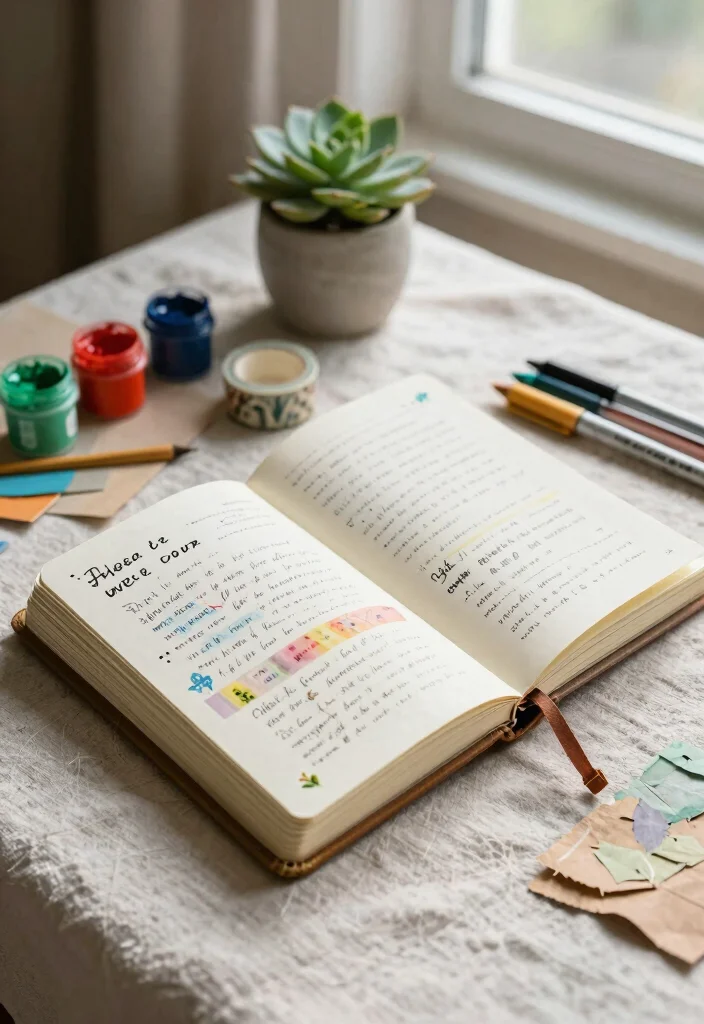
Looking for a fun way to breathe new life into an old book? Transforming a discarded book cover into a stunning journal is not only creative but also eco-friendly. You can personalize it with your favorite colors and decorative elements, making it truly yours. Whether you keep the original pages for jotting down notes or fill it with fresh, recycled sheets, this project is both practical and artistic.
Start by selecting a vintage book that speaks to you. Cut new pages to fit, using eco-friendly materials. Use washi tape, fabric scraps, or even paint to add your unique flair to the cover and inside pages. Don’t forget to let your creativity shine through with stickers and doodles!
Key steps to get started:
– Find an old book with a sturdy cover
– Cut eco-friendly paper to match the size
– Secure new pages with eco-friendly glue
– Personalize with stickers, drawings, or quotes
This project not only showcases your creativity but also contributes to a sustainable lifestyle, turning waste into a treasured journal.


Last update on 2026-02-27 / Affiliate links / Images from Amazon Product Advertising API
2. Nature-Inspired Scrapbook Journal
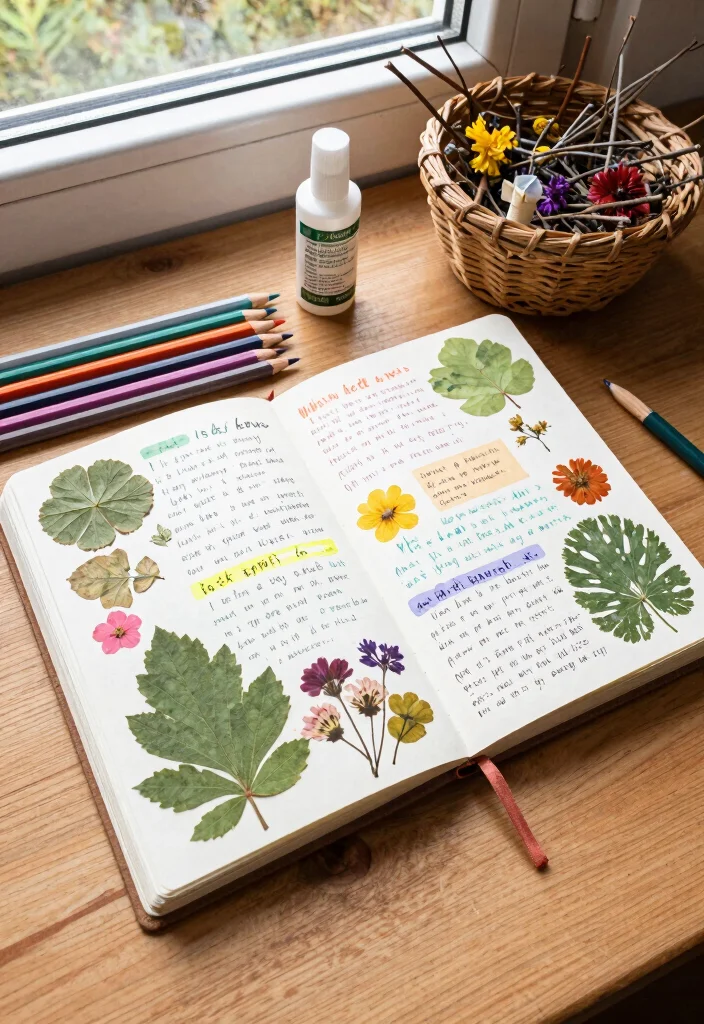
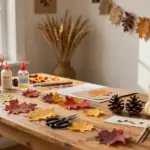
Do you love the outdoors as much as reading? A nature-inspired scrapbook journal is the perfect way to blend both passions. Collecting leaves, flowers, and small twigs during your adventures allows you to create a beautiful keepsake alongside your reading reflections. This journal becomes a vibrant representation of your experiences and connections to nature.
Begin with a recycled paper journal to keep things eco-friendly. Attach your nature finds using a glue stick, and pair each item with notes about the books that inspired you. You can also add doodles or illustrations that reflect the themes of your readings.
Here’s how to make it special:
– Start with a recycled paper journal
– Use glue to attach natural elements
– Match each item with related book notes
– Add drawings or doodles for flair
This creative approach not only enhances your journaling experience but also deepens your connection to the natural world and the stories you love.
Did you know recycling one ton of paper saves 17 trees and about 7,000 gallons of water? This nature-inspired scrap journaling idea for diy book journal ideas uses recycled paper—collect leaves and twigs, then attach them with a glue stick for eco-friendly keepsakes from your reading journeys.


Last update on 2026-02-27 / Affiliate links / Images from Amazon Product Advertising API
3. Minimalist Reading Log

If you enjoy simplicity, consider crafting a minimalist reading log. This straightforward project is perfect for keeping track of your reading without unnecessary clutter. Using a simple notebook made from recycled materials allows you to focus on the essence of each book.
Choose a soft-cover notebook and create a clean layout with columns for titles, authors, and your personal ratings. Keep your entries concise and clear, adding a few doodles or symbols to express your feelings about the readings.
How to craft your minimalist log:
– Select a plain soft-cover notebook
– Design a neat layout for entries
– Focus on concise notes for each book
– Use symbols to represent your thoughts
This elegant approach not only helps you track your reading journey but also serves as a beautiful homage to your literary adventures.


Last update on 2026-02-27 / Affiliate links / Images from Amazon Product Advertising API
4. Themed Quote Journal
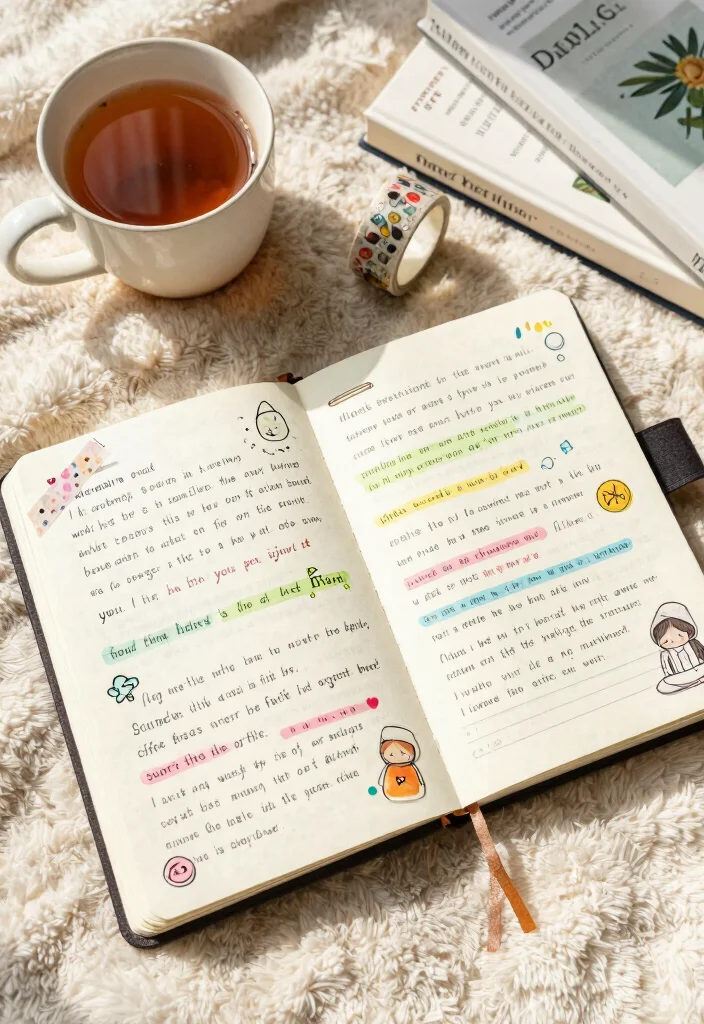
Do you find quotes from books particularly inspiring? A themed quote journal is a fantastic way to celebrate those powerful words. You can choose themes like love, adventure, or wisdom, dedicating sections to quotes that resonate with you.
Start by selecting a notebook or binder, organizing it with dividers for each theme. Handwrite or print out your favorite quotes, and embellish them with drawings or stickers that enhance their meaning. Personal reflections or stories related to each quote will make your journal even more special.
Here’s how to create it:
– Choose a durable notebook or binder
– Create dividers for each theme
– Write or print inspiring quotes
– Add personal reflections for depth
This journal not only captures your favorite quotes but also serves as a source of inspiration and motivation in your daily life.


Last update on 2026-02-27 / Affiliate links / Images from Amazon Product Advertising API
How To Choose Eco-Friendly DIY Book Journaling Supplies
When creating your own book journal, choosing the right supplies is key to both the process and the final outcome. Here are some important criteria to consider while selecting your materials:
1. Sustainable Materials
Look for materials that are made from recycled or sustainable sources. This not only helps reduce waste but also promotes a greener approach to your DIY projects. Consider using recycled paper, fabric scraps, or upcycled book covers. These options are not only eco-friendly but also often carry unique textures and patterns.
2. Size and Format
Think about the size of your journal. A standard A5 size is portable and easy to carry, while a larger format might allow for more creativity and space for writing. You might also consider whether you want a bound book or loose-leaf pages for flexibility. If you’re unsure, grab a few different sizes to see what feels right as you start journaling.
3. Creative Journaling Supplies
Gather creative supplies to personalize your book journal. Eco-friendly options like soy-based inks, natural adhesives, and watercolors can enhance your journal without harming the environment. Consider using biodegradable washi tape, stamps made from recycled materials, or pencils made from sustainable wood. These supplies can add flair to your pages while keeping your project green.
4. Reusability and Durability
Choose supplies that are both durable and reusable. Look for items that can withstand wear and tear, such as sturdy covers or quality binding. Using materials that you can repurpose or refill will ensure you can enjoy your journal for years to come. For example, consider a refillable notebook or a cover that can be used again with new pages.
5. Cost and Availability
Set a budget for your journal supplies. Eco-friendly options can often be found at local craft stores or online retailers. Don’t be afraid to compare prices and explore different brands. Many stores also offer discounts for bulk purchases, so if you think you’ll want to create multiple journals, buying in larger quantities can save you money.
Pro Tip: Before you start your project, gather all your materials first. This helps you visualize your journal and keeps you organized. Lay everything out, so you can see how they will work together. You might even want to create a mood board or a color palette to guide your choices!
Choosing the right supplies for your eco-friendly DIY book journal can significantly impact your journaling experience. By focusing on sustainable materials, the size that best fits your needs, creative supplies that enhance your personal touch, durability for long-lasting use, and staying mindful of your budget, you can create a beautiful journal that reflects both your creativity and your commitment to the environment. Happy journaling!
5. Interactive Reading Challenge Journal
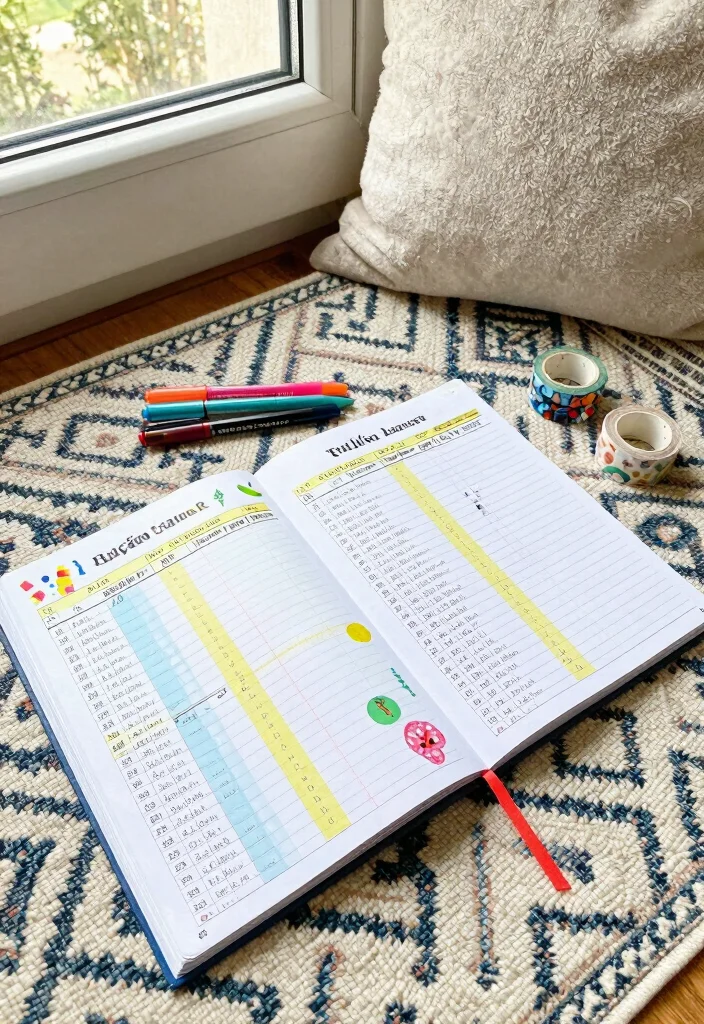
Want to spice up your reading routine? An interactive reading challenge journal can make reading more exciting and engaging. Set personal goals, like reading a specific number of books each month or exploring new genres, and track your progress with fun, interactive pages.
Use a bullet journal or any notebook with dotted pages to create dedicated sections for your different challenges. Decorate the pages with colorful markers or stickers to keep it visually appealing. Regularly update it with your thoughts and favorite quotes from each book.
To create your challenge journal:
– Use a bullet journal or dotted notebook
– Set up pages for various challenges
– Decorate with stickers and markers
– Regularly document your progress and reflections
This engaging approach not only motivates you to read more but also celebrates your achievements creatively.


Last update on 2026-02-27 / Affiliate links / Images from Amazon Product Advertising API
6. Artful Book Review Journal
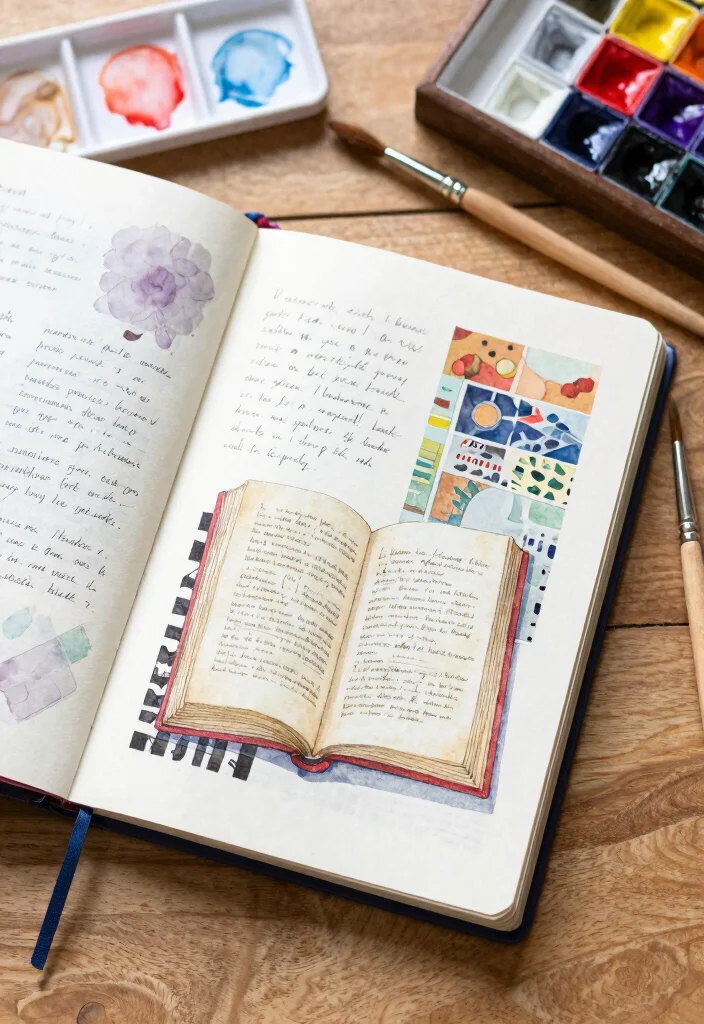
Combine your passion for reading with your artistic flair by creating an artful book review journal. This project allows you to document your readings through illustrations, paintings, or collages inspired by the themes of the books. It’s a wonderful way to express your creativity while reflecting on what you’ve read.
Start with a sketchbook or mixed-media paper that can handle various art materials. After finishing a book, dedicate a page to express your thoughts through art, using watercolors, colored pencils, or collage techniques. Let your imagination run wild!
How to create it:
– Select a suitable sketchbook or mixed-media paper
– After reading, create an artistic review page
– Use various materials to express your thoughts
– Experiment with styles and techniques
This artistic approach enhances your reading experience, serving as a visual diary of your literary adventures.


Last update on 2026-02-27 / Affiliate links / Images from Amazon Product Advertising API
7. Travel Book Journal
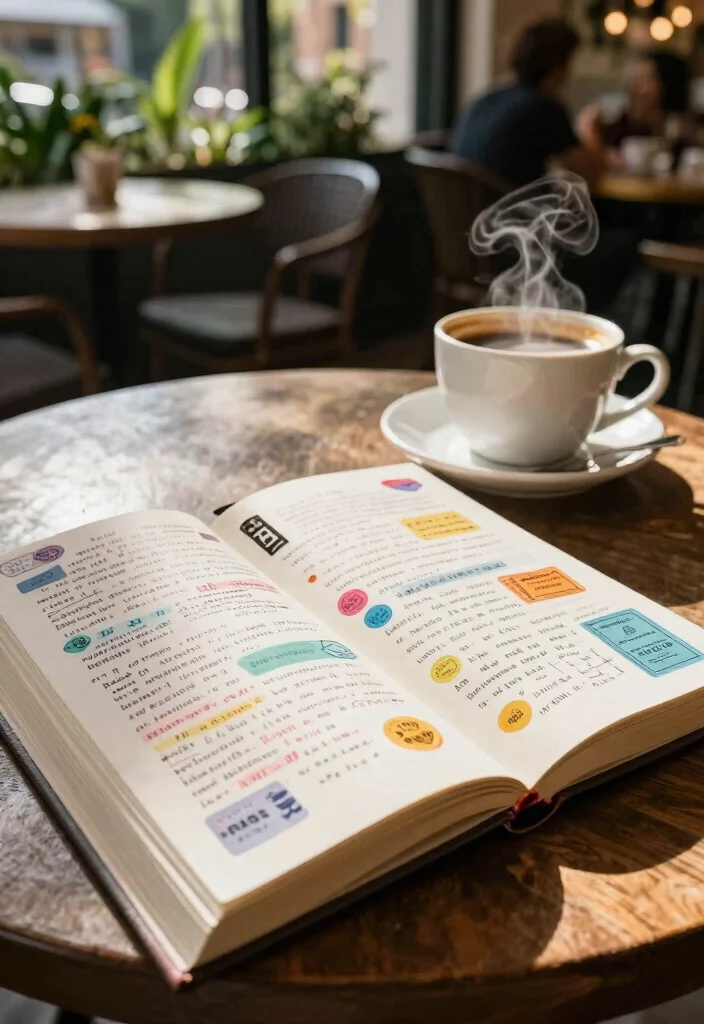
Are you a reader on the go? A travel book journal is perfect for documenting your reading experiences while exploring new places. Capture moments from your travels alongside the books you read, creating a unique blend of literary and travel memories.
Choose a compact notebook that fits easily in your bag and create sections for each location you visit. Include spaces for book titles, reflections, and even sketches or ticket stubs related to your reading adventures. Date your entries and note your surroundings while reading.
To create one:
– Select a travel-friendly notebook
– Organize sections by location
– Include sketches or memorabilia
– Date each entry with reflections
This unique journal will become a cherished keepsake, weaving together your love for travel and literature.
For DIY book journal ideas, using a compact travel journal boosts memory—72% more details from trips when you jot titles, reflections, and ticket stubs. Pro tip: pack a tiny notebook for on-the-go notes.


Last update on 2026-02-27 / Affiliate links / Images from Amazon Product Advertising API
8. Recipe Journal Inspired by Books
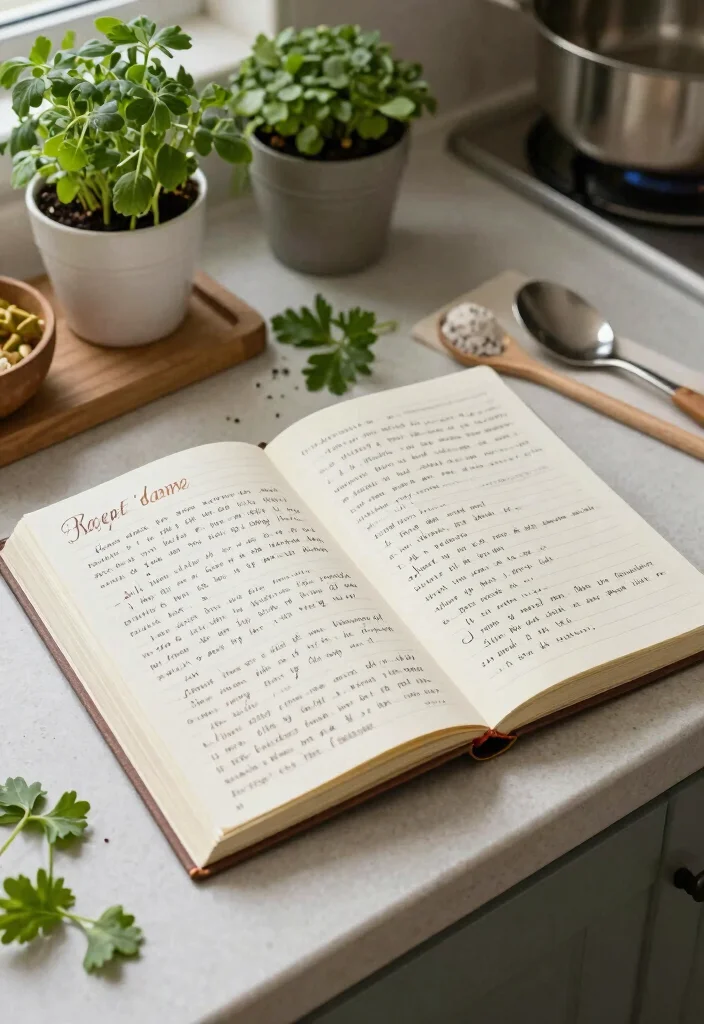
If culinary delights inspire you, consider creating a recipe journal influenced by your favorite books. Document recipes from novels or cookbooks that have sparked your interest, along with notes about the scenes that inspired them.
Begin with a blank recipe book or a simple notebook, creating sections for quotes about food or cooking that resonate with you. Write down real recipes you try and add your personal thoughts on them. Illustrate the pages with drawings or food clippings for a delightful touch.
To craft your journal:
– Use a blank recipe book or notebook
– Include sections for quotes and recipes
– Write your thoughts on each dish
– Illustrate with drawings or clippings
This journal will enrich your cooking experiences while creating a delightful fusion of literature and culinary art.


Last update on 2026-02-27 / Affiliate links / Images from Amazon Product Advertising API
9. Gratitude and Reflection Journal

Enhance your reading experience with a gratitude and reflection journal. After finishing a book, take a moment to reflect on what you’re grateful for and how the book has impacted your life. This practice deepens your reading experience while promoting positivity.
Use a simple journal made from recycled materials, dedicating a section for each book you read. Write down three things you’re grateful for related to the book, along with personal reflections and insights gained. Revisit your journal regularly to remind yourself of the positive moments and lessons learned.
Here’s how to create it:
– Choose a recycled materials journal
– Dedicate sections for gratitude and reflections
– Write three grateful points per book
– Regularly revisit your entries for motivation
This mindful approach infuses your reading with purpose and appreciation.



Last update on 2026-02-27 / Affiliate links / Images from Amazon Product Advertising API
10. Collaborative Book Journal

Want to share your love of reading with others? A collaborative book journal invites friends or family to join in reflecting on books together. This initiative promotes discussion and deeper insights as everyone contributes their perspectives.
Choose a sturdy notebook that can withstand multiple contributors. Create a system for passing the journal around, encouraging each person to write entries after finishing a book. Include prompts to spark conversations about what the readings taught or how they made them feel.
Here’s how to set it up:
– Select a durable notebook for sharing
– Establish a passing system for entries
– Encourage sharing life experiences related to books
– Use prompts to stimulate discussion
This collaborative journaling fosters community and connection, keeping the joy of reading alive.


Last update on 2026-02-27 / Affiliate links / Images from Amazon Product Advertising API
11. Monthly Book Club Journal

Enhance your book club experience with a dedicated monthly book club journal. This journal allows you to record book selections, meeting notes, and discussion topics, keeping track of your group’s reading journey throughout the year.
Choose a binder or notebook specifically for your book club and include sections for each book read, meeting notes, and personal reflections. Document discussion points and any recommended books from members, and consider adding a calendar section for planning future reads and meetings.
To create one:
– Select a binder or notebook for your club
– Include sections for book titles and notes
– Document discussion points and recommendations
– Add a calendar for planning
This organized approach ensures that your book club remains engaging and connected, creating a rich history of your literary adventures.
Fun fact: DIY book journal ideas like a dedicated monthly club journal can help groups finish 30% more books and capture discussion points for later reflection. Use sections for book choices, meeting notes, and reflections to keep your year organized and your conversations sharper.
12. Digital Book Journal

In today’s tech-savvy world, a digital book journal offers convenience while being eco-friendly. Utilize apps like Notion or GoodNotes to create a digital space for your readings, making it easy to update notes and reviews on the go.
Start by choosing a digital platform that fits your style, creating sections for book titles, authors, ratings, and personal reflections. Include links to e-books or review articles for easy reference, and enhance your journal with visuals like screenshots of covers or relevant images.
Here’s how to get started:
– Choose a digital platform that suits you
– Create sections for book details and reflections
– Link to e-books or resources
– Use visuals to enhance your journal
This modern approach keeps your reading journey organized and encourages deeper engagement with literature, all while being gentle on the planet.
Conclusion
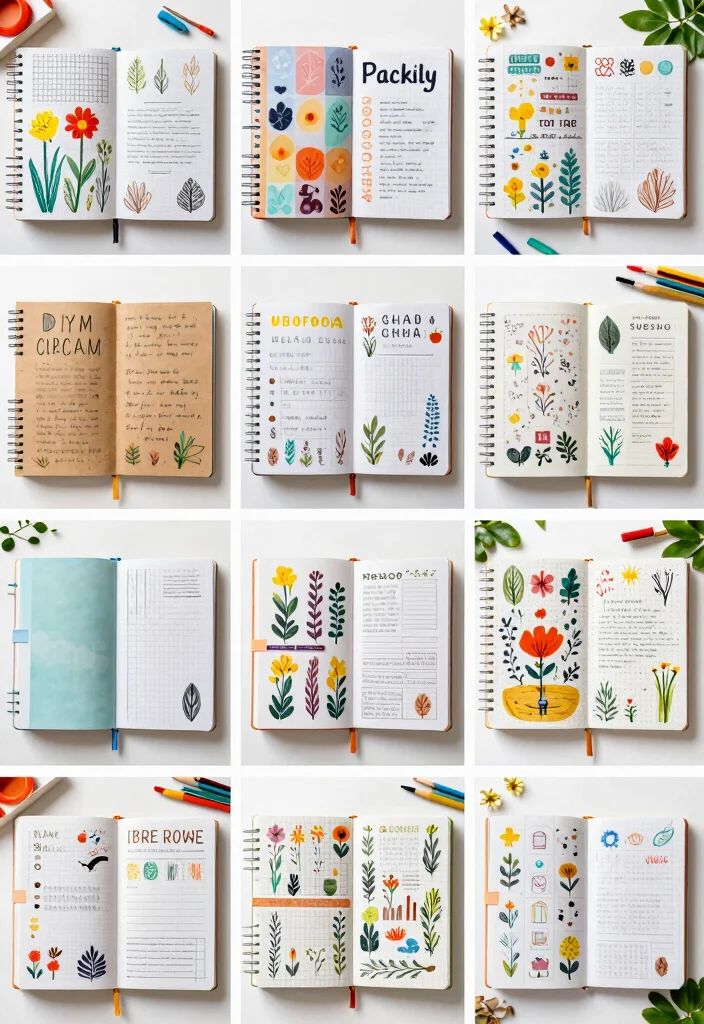
With these 12 DIY book journal ideas, you’re well on your way to becoming a creative reader who documents every literary adventure.
From upcycling to mindful reflections, each project offers something unique to enhance your reading experience. Embrace your creativity and find joy in the process of journaling. Happy reading and crafting!
Frequently Asked Questions
What are some eco-friendly DIY book journal ideas I can start with today?
Start with upcycling: repurpose an old notebook or a cereal-box cover, then bind with twine or recycled rings. Use recycled paper for new pages and plant-based ink if you print. Add a reading log ideas section to track titles, pages read, dates, and favorite quotes. Try simple DIY book crafts like pocket inserts from scrap fabric or magazine pages to hold bookmarks, receipts, or notes. These are practical diy book journal ideas that cut waste while boosting creativity.
How can I use book journaling techniques to capture thoughts without wasting materials?
To lean into book journaling techniques without piling on waste, use modular layouts you can reuse week after week. Create a few spread templates (current read, progress bar, quotes panel) and keep most entries on one notebook to reduce extras. Build your toolkit with minimal, creative journaling supplies like a single pen, a pencil, a small ruler, and a set of scraps for accents. This keeps things sustainable, practical, and a lot more enjoyable.
What creative journaling supplies are best for eco-friendly projects?
eco-friendly options include a sturdy recycled-paper notebook, paper craft scraps for covers, fabric remnants for pockets, bamboo or wood pens, and non-toxic, plant-based adhesives. Use soy- or water-based inks for any printing or stamping, and look for reusable or refillable tools. Add color with upcycled stickers or pressed foliage from nature—just dry and seal them first for longevity.
What are some reading log ideas that stay organized and durable?
Start with a simple template (Title, Author, Start date, Progress, Finish date, Rating, Favorite quote, reflection). Use color-coded tabs or a small pouch to hold bookmarks and notes. Make monthly or seasonal wrap-ups to summarize your reading and highlight reading log ideas; protect the journal with a cover made from repurposed cardboard or scrap fabric to keep it durable.
How can I create personalized journal projects on a budget while staying eco-friendly?
Pick a theme (nature, library, travel, favorite genres) and gather upcycled materials to match it. Create a DIY cover with fabric scraps, old maps, or decorative paper, and add pockets for notes or receipts. Incorporate digital elements like a QR code that links to a printed reading list or a book review to avoid extra prints. With DIY book crafts and thoughtful details, you can craft a one‑of‑a‑kind journal that’s both eco-friendly and meaningful.
Related Topics
diy book journal ideas
eco-friendly crafts
creative journaling supplies
book journaling techniques
personalized journal projects
easy DIY
reading log ideas
sustainable journaling
beginner friendly
DIY book crafts
artistic book logs
crafting with recycled materials