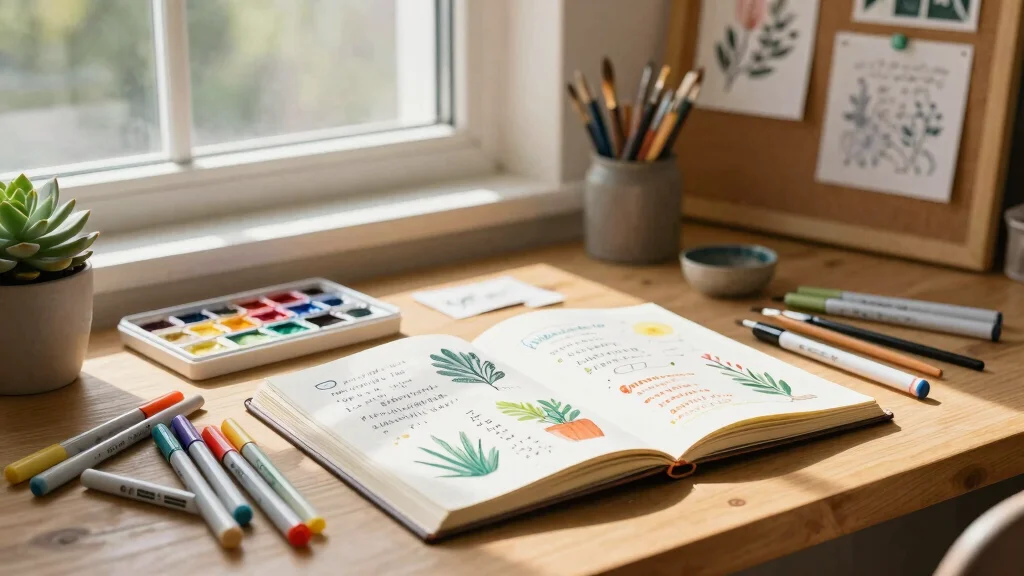
Creating an illustrated journal has been on my mind lately. It’s such a fun way to express yourself and keep track of your thoughts, experiences, and dreams. Balancing art and journaling allows you to explore your creativity while enjoying some therapeutic self-reflection. If you’re looking for a way to combine doodling with journaling, then this post is just for you!
Whether you’re new to journaling or a seasoned pro, these illustrated journal ideas cater to everyone. From daily doodles to seasonal themes, there’s something here that will spark your imagination. Each idea can help you uncover your creative side while documenting your life in a beautiful way. You’ll walk away with practical techniques and fun prompts that make journaling an enjoyable and rewarding hobby.
In this post, I’ve gathered 12 illustrated journal ideas that are accessible and perfect for at-home experimentation. We’ll dive into creative journaling ideas that will inspire you to grab your pens and sketchbooks. Let’s unpack these ideas together and find the joy in putting pen to paper!
Key Takeaways
– Daily Doodles: Start each day with a simple drawing that captures your mood or an event, helping you build a habit of artistic expression.
– Travel Log with Illustrations: Capture your adventures by combining sketches with memories from your trips to create a visual diary.
– Mood Tracker: Use color-coded illustrations to represent your emotions, providing insight into your mental well-being over time.
– Quote Illustrations: Pair your favorite quotes with drawings to make them visually engaging, creating a positive space in your journal.
– Nature Sketching: Spend time outdoors and sketch what you see; it helps you appreciate the beauty around you while practicing your drawing skills.
1. Daily Doodles
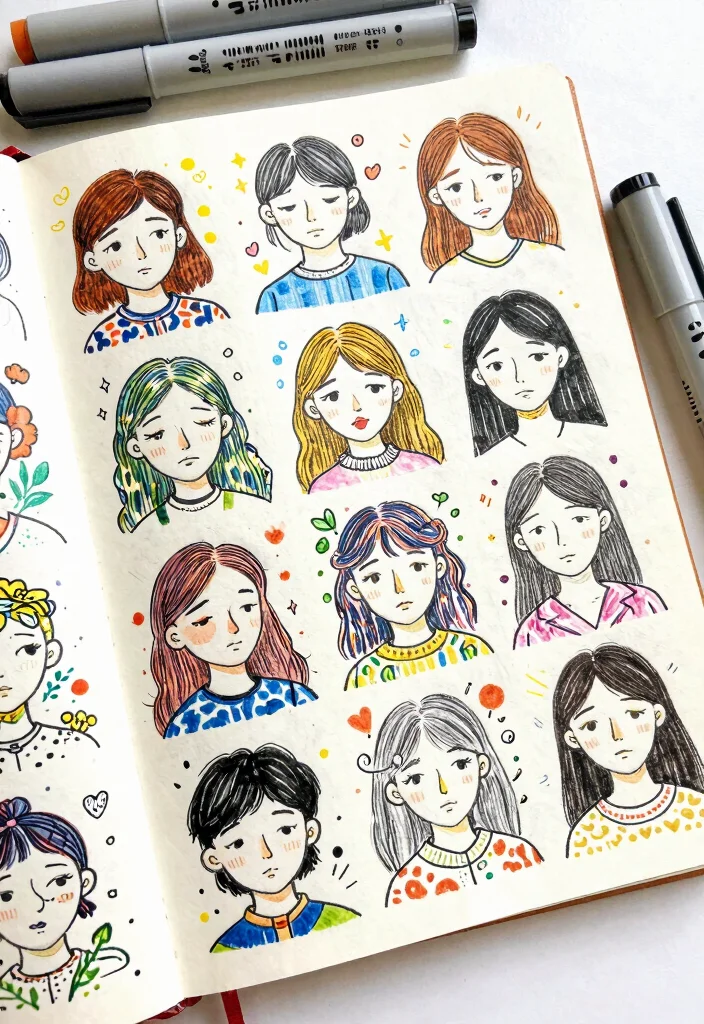
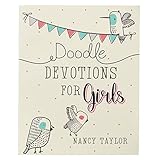
Dive into the world of daily doodles! This fun and easy technique helps you express your mood, thoughts, or daily moments through art. You don’t need to be an expert artist; just let your creativity flow! Set aside a small space in your journal each day to create doodles that showcase your feelings or experiences.
Make it enjoyable by choosing a specific time, like your morning coffee or evening wind-down. Focus on themes like ‘what made me smile today’ or ‘inspiring colors’. Experiment with different mediums—watercolor for a gentle touch or markers for vibrant pops of color. Remember, it’s about the journey, not perfection!
Ways to enhance your daily doodles:
– Dedicate a time for doodling each day
– Explore themes that resonate with you
– Use various art supplies for diverse effects
– Embrace imperfections for unique artwork
Daily doodles not only foster creativity but also serve as a wonderful way to reflect on your feelings over time. You’ll find joy and mindfulness in this artistic practice!




Last update on 2026-02-27 / Affiliate links / Images from Amazon Product Advertising API
2. Travel Log with Illustrations
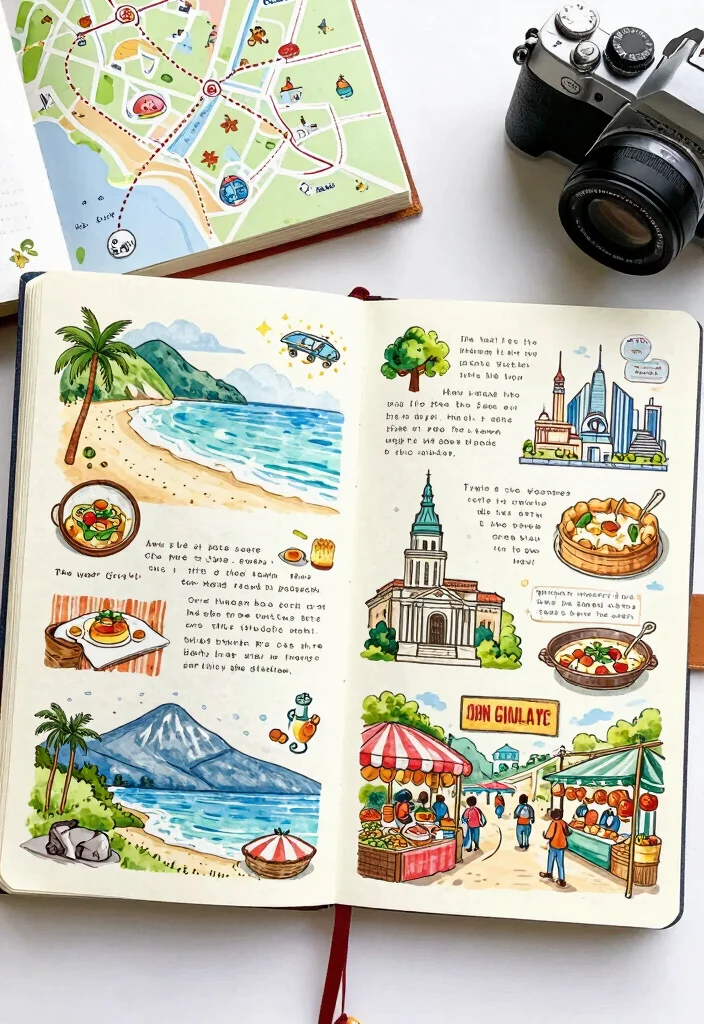
Transform your travel experiences into beautiful art with a travel log! This creative outlet allows you to capture the essence of your journeys through words and illustrations. Instead of simply writing about your destinations, bring your memories to life with sketches of landscapes, local dishes, and memorable moments.
To elevate your travel journal, create maps of your adventures and illustrate your favorite meals with watercolors. Keep ticket stubs and postcards as keepsakes alongside your drawings. Use colors that reflect the vibe of each place, like earthy tones for deserts or bright hues for tropical locations.
Tips for crafting your travel log:
– Draw maps of places you’ve explored
– Illustrate meals that left an impression
– Attach mementos like tickets and postcards
– Use colors that convey each destination’s spirit
This method not only creates a unique visual narrative but also offers a cherished keepsake to share with friends and reminisce about your adventures!


Last update on 2026-02-27 / Affiliate links / Images from Amazon Product Advertising API
3. Mood Tracker
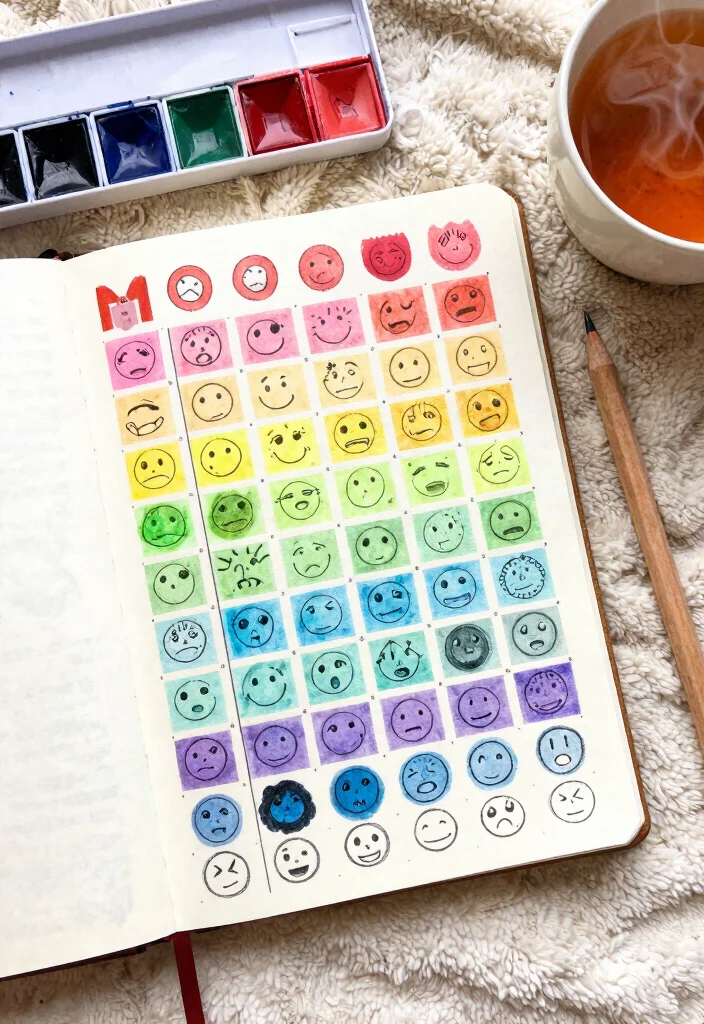
Creating a mood tracker is a delightful way to visualize your emotions over time! By using colors to represent different moods, you can create a stunning visual pattern in your journal. This not only helps you keep track of your emotional well-being but also allows for artistic expression.
To set up your mood tracker, draw a chart with days of the month on one axis and moods on the other. Select colors that resonate with your feelings, like blue for calmness or yellow for happiness. Decorate each day with doodles reflecting your emotions. At month’s end, review the patterns to gain insights into what influences your mood.
Steps to create your mood tracker:
– Design a chart with days and moods
– Choose colors for each emotion
– Add doodles to express daily feelings
– Reflect on patterns to understand your emotions
This engaging practice combines self-reflection with creativity, making it a meaningful tool for personal growth!


Last update on 2026-02-27 / Affiliate links / Images from Amazon Product Advertising API
How To Choose Illustrated Journal Ideas
Choosing the right illustrated journal ideas can be a fun way to express your creativity and track your thoughts. Here’s how to select the best ideas to suit your style and needs:
1. Consider Your Interests
Think about what captivates you most. Are you into nature, travel, or personal reflection? Your interests should guide your illustrated journal ideas. If you love nature, try sketching plants or landscapes. If you enjoy travel, a travel log with illustrations may be perfect for you. Aligning your journal themes with your passions keeps you motivated.
2. Determine Your Skill Level
It’s essential to choose ideas that match your current skills. If you’re a beginner, start with simple doodles or mood trackers. As you practice, you can move to more complex concepts like detailed nature sketches or collage journaling. Assess your comfort level with sketching and expand your abilities gradually.
3. Think About Frequency
How often do you want to journal? If you’re looking for daily practice, opt for ideas that allow for quick entries, like daily doodles or gratitude pages. If you prefer less frequent journaling, themes like travel logs or personal reflection pages might suit you better. Choose ideas that fit the time you can realistically dedicate to journaling.
4. Explore Various Techniques
There are numerous journaling techniques to consider. You can mix and match ideas to create a unique style. Incorporate different techniques such as watercolor painting, sketching, and even collage. Experimenting with styles not only enhances your creativity but also helps you discover what you enjoy the most.
5. Set a Budget
Your budget can influence your choice of illustrated journal ideas. Consider whether you want to invest in high-quality sketchbooks or various art supplies. If you’re just starting, stick to basic materials like a simple notebook and colored pens. As you progress, you can expand your collection with different tools that inspire your creativity.
6. Gather Inspiration
Look for inspiration from other artists, blogs, or social media platforms. Pinterest and Instagram are great places to discover illustrated journal ideas. Follow art challenges, or search for DIY journal prompts to spark your creativity. Keeping your creative juices flowing with ideas from others can lead to exciting new projects.
Pro Tip: Don’t be afraid to blend ideas! For example, you could mix a mood tracker with seasonal themes, creating a unique illustrated journal that reflects your emotions throughout the year. Always keep your journal fun and engaging to maintain your interest over time. Happy journaling!


Last update on 2026-02-27 / Affiliate links / Images from Amazon Product Advertising API
4. Quote Illustrations
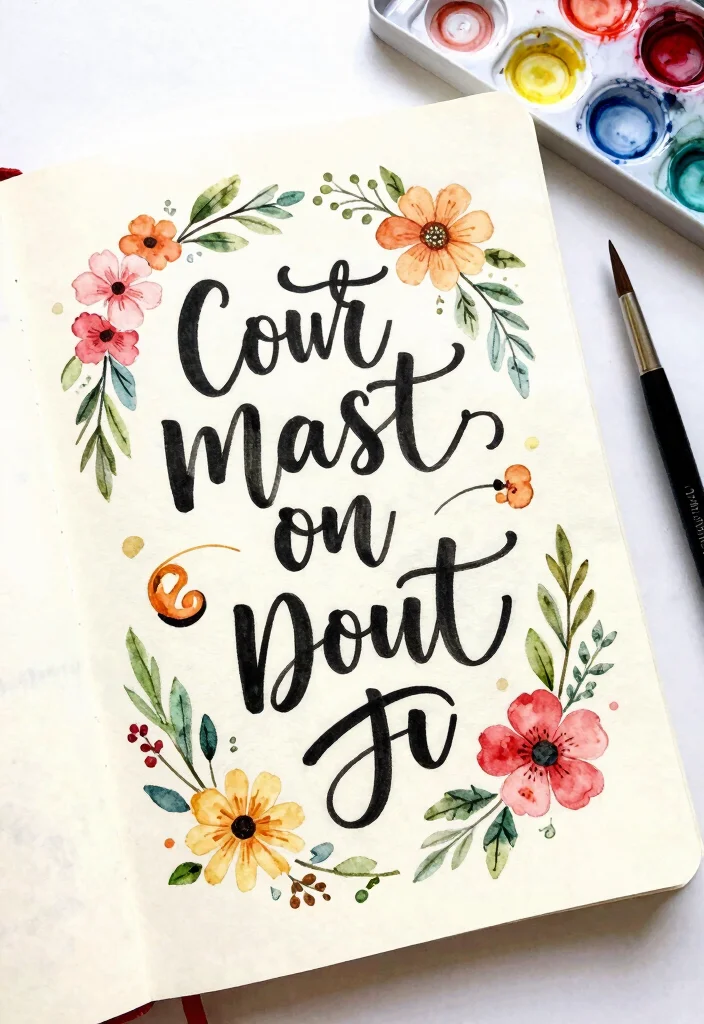
Bring inspiration to life by pairing your favorite quotes with illustrations! This creative technique merges typography with art, making each quote more impactful. Whether it’s motivational or humorous, adding visuals can enhance its meaning.
To get started, select a quote that resonates with you. Choose a layout that suits your style, whether bold letters or whimsical fonts. Add illustrations that relate to the quote—like flowers for love or mountains for adventure. Experiment with colors and textures to make each page pop.
How to create quote illustrations:
– Choose a meaningful quote
– Select an engaging layout style
– Illustrate elements that connect to the quote
– Play with colors and textures for depth
This practice not only results in beautiful artwork but also provides daily reminders of positivity and inspiration right in your journal!
This is where illustrated journal ideas shine: start with a quote you love and sketch a simple image to match it. Keep the layout easy—bold letters with a small doodle—and watch your words become art that sticks.


Last update on 2026-02-27 / Affiliate links / Images from Amazon Product Advertising API
5. Seasonal Themes
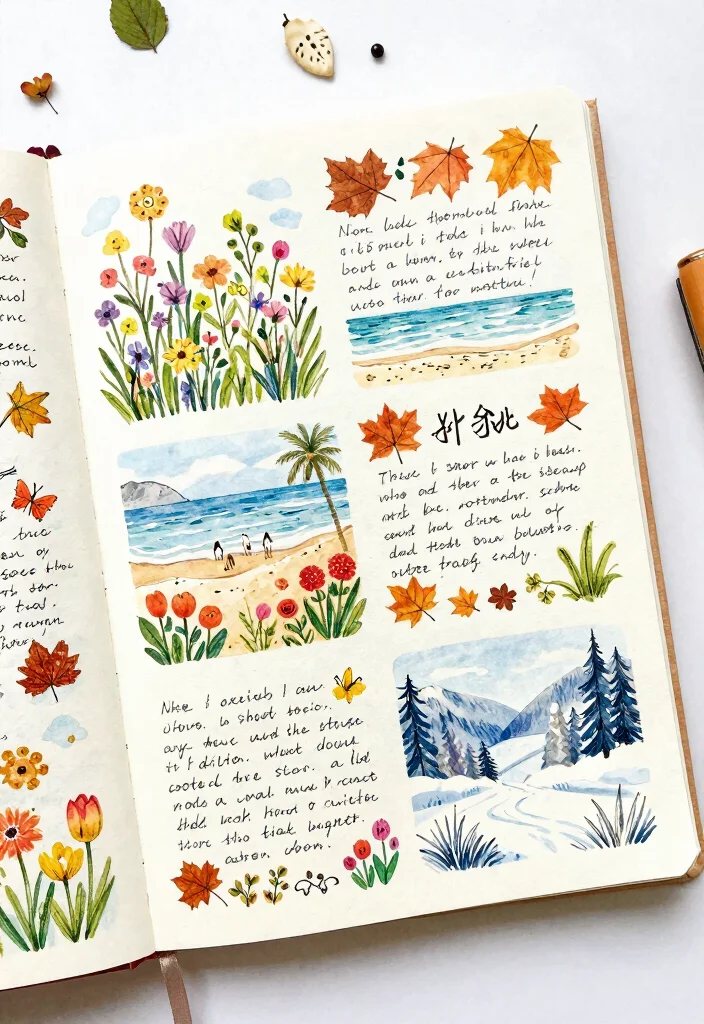
Celebrate the beauty of nature through seasonal themes! Each season brings unique colors, moods, and activities, which you can beautifully illustrate in your journal. Dedicate sections to each season, capturing its essence with creative journaling ideas.
For spring, illustrate floral blooms and Easter celebrations. In summer, capture beach outings and vibrant sunsets. Autumn can showcase warm colors of leaves and cozy gatherings, while winter can bring snowflakes and festive decorations to life.
Ideas for seasonal themes:
– Spring: Illustrate flowers and nature awakening
– Summer: Capture beach scenes and outdoor fun
– Autumn: Use warm hues for leaves and pumpkins
– Winter: Draw snowflakes and holiday cheer
This approach creates a beautiful chronological record of your experiences while showcasing your artistic flair!


Last update on 2026-02-27 / Affiliate links / Images from Amazon Product Advertising API
6. Nature Sketching
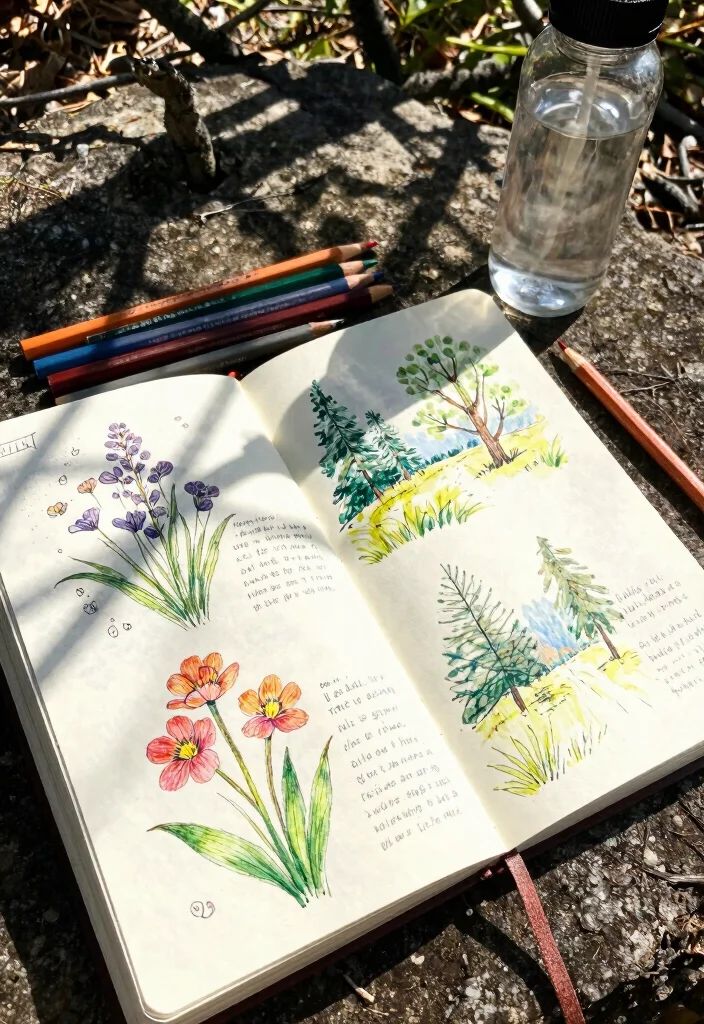
Unlock your creativity with nature sketching! This practice enhances your observation skills while connecting you with the great outdoors. Grab your sketchbook and explore your surroundings, whether it’s a park or your backyard.
Begin with simple outlines of trees, flowers, and animals. Try various styles, from realistic to abstract, and experiment with mixed media like pencil and watercolor. Take notes about what you see, the weather, or your feelings during the sketching session.
Tips for nature sketching:
– Start with basic shapes like trees and flowers
– Experiment with different artistic styles
– Use mixed media for dynamic effects
– Incorporate notes about your observations
This enjoyable practice is perfect for all skill levels, fostering appreciation for nature while enhancing your artistic abilities!


Last update on 2026-02-27 / Affiliate links / Images from Amazon Product Advertising API
7. Recipe Journal with Illustrations
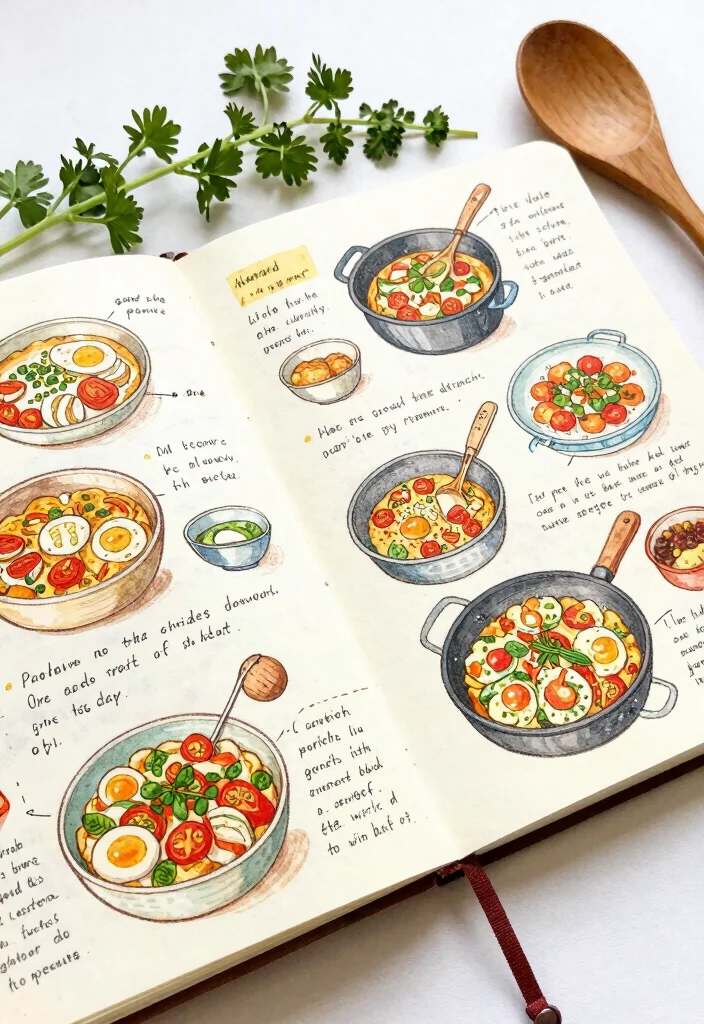
Combine your culinary passion with creativity by creating a recipe journal! Document your favorite meals, cherished family recipes, or new dishes you’re trying, all while adding your artistic touch. This keeps your cooking organized and adds a personal flair to each recipe.
For your recipe journal, write down ingredients and steps clearly, accompanied by sketches of the final dishes. Illustrate cooking processes, like chopping or simmering, to enhance your entries. Include tips or variations you’ve tried, and leave space for photos of your creations.
How to craft your recipe journal:
– Clearly outline ingredients and steps
– Sketch final dishes or cooking steps
– Add tips and variations you’ve explored
– Reserve spots for photos of your meals
This creative approach will inspire your culinary adventures while allowing your artistic skills to shine!
Did you know 78% of DIY cooks say keeping a recipe journal with illustrations makes meals more memorable? With illustrated journal ideas, beginners mix flavor with art, turning recipes into bite-sized, shareable moments.


Last update on 2026-02-27 / Affiliate links / Images from Amazon Product Advertising API
8. Gratitude Pages
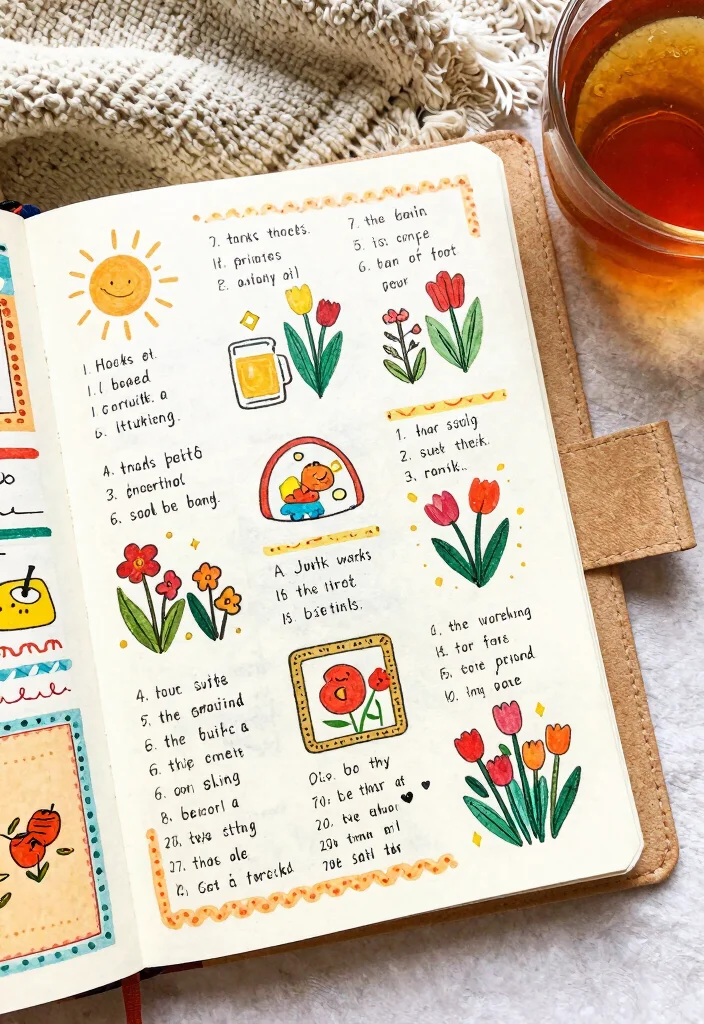
Nurture a positive mindset with illustrated gratitude pages! This journaling method encourages you to express thankfulness through art. Each page can focus on what you’re grateful for, embellished with relevant doodles and sketches.
Set aside a page each week to jot down things you appreciate. Illustrate each item, whether it’s a loved one, a favorite place, or a special experience. Use cheerful colors, like yellows and greens, and add patterns that enhance the joy of your entries.
Steps to create gratitude pages:
– Dedicate a page each week for gratitude
– Illustrate items you’re thankful for
– Use uplifting colors for a happy vibe
– Add patterns or borders for extra joy
This practice not only serves as an art project but also helps you focus on the positive aspects of life, fostering gratitude daily!



Last update on 2026-02-27 / Affiliate links / Images from Amazon Product Advertising API
9. Art Challenges
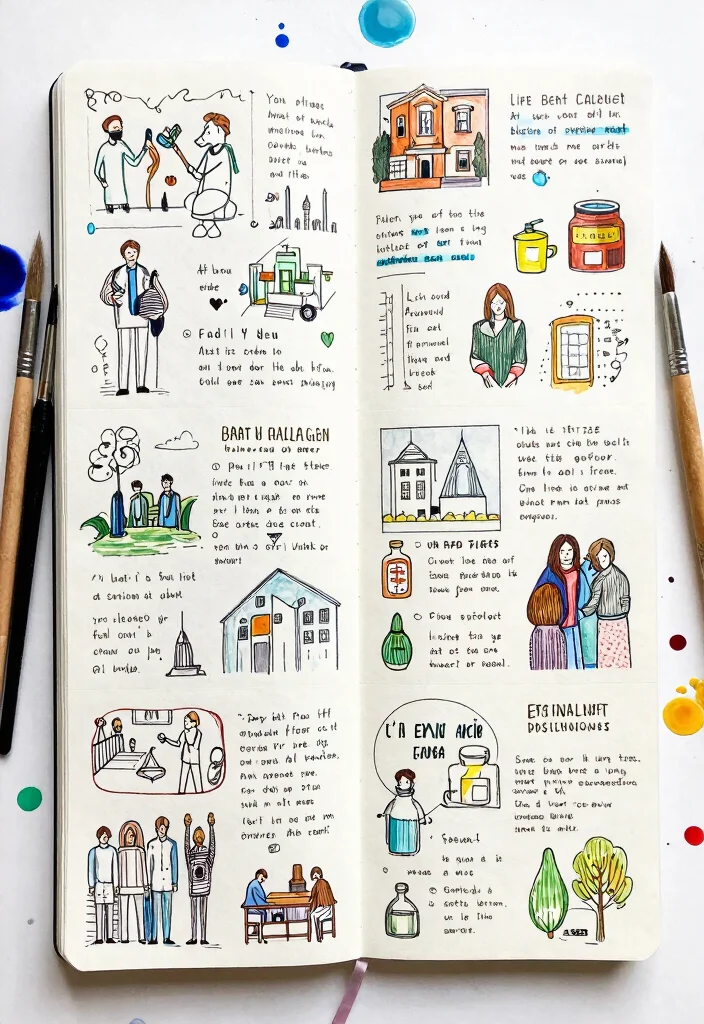
Ignite your creativity with fun art challenges! These prompts encourage exploration and experimentation in your illustrated journal. Try challenges like ‘30 Days of Doodles’ or ‘One Color a Day’ to push your artistic limits without pressure.
Consider doodling different flowers each day or creating minimalistic sketches using just three colors. Draw everyday objects in your home from various angles or explore abstract art based on your mood.
Ideas for art challenges:
– Doodle a new flower every day
– Use only three colors for a week
– Sketch common objects from different perspectives
– Create abstract art reflecting your feelings
These challenges provide structure and can unlock new levels of creativity in your journal practice. You may be amazed at how much you grow as an artist!


Last update on 2026-02-27 / Affiliate links / Images from Amazon Product Advertising API
10. Collage Journaling
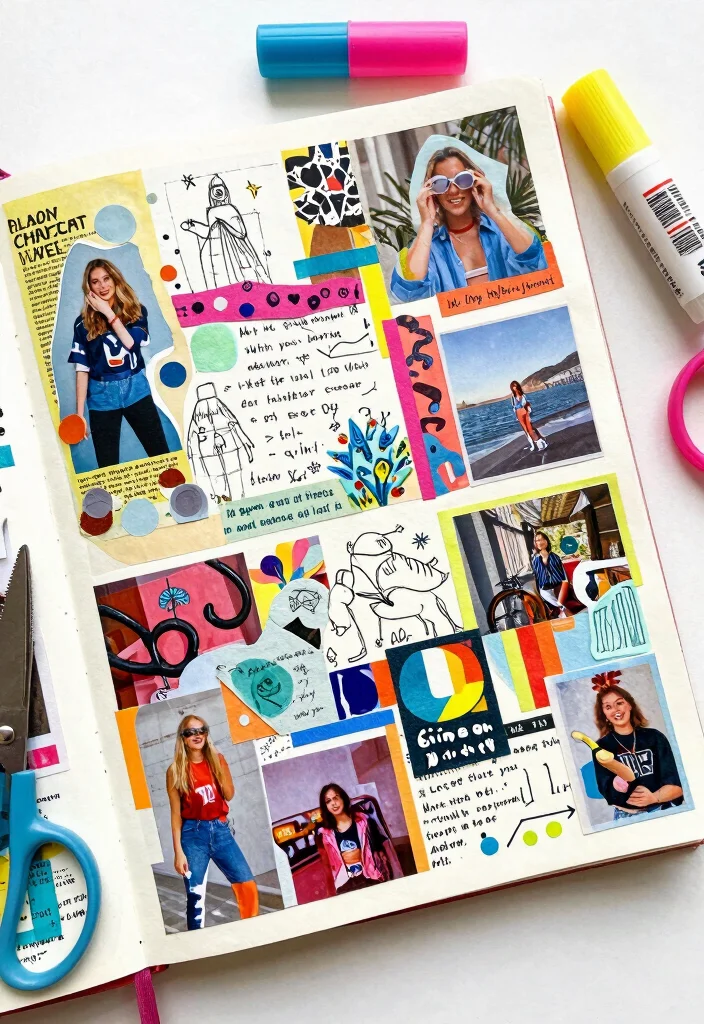
Discover the art of collage journaling by blending photographs, quotes, and sketches into stunning pages! This technique is perfect for those who love to cut, paste, and play with textures. Create collages about your day, dreams, or anything that inspires you.
To begin, gather images from magazines, newspapers, or your own photos. Select a theme or story that resonates with you and layer your collages with words, colors, and illustrations. Incorporate different textures, such as washi tape or fabric, for added depth.
Steps for creating collage journals:
– Collect images and materials for collages
– Choose a theme that speaks to you
– Layer written thoughts and illustrations
– Experiment with textures for added interest
Collage journaling opens up endless creative possibilities, turning your journal into a treasure chest of memories and inspirations!
Collage journaling makes every page feel like a tiny story you can wear. Mix photos, quotes, and textures to turn simple scraps into illustrated journal ideas you’re proud to share—and you can finish a great page in under an hour.
11. Mind Mapping for Ideas
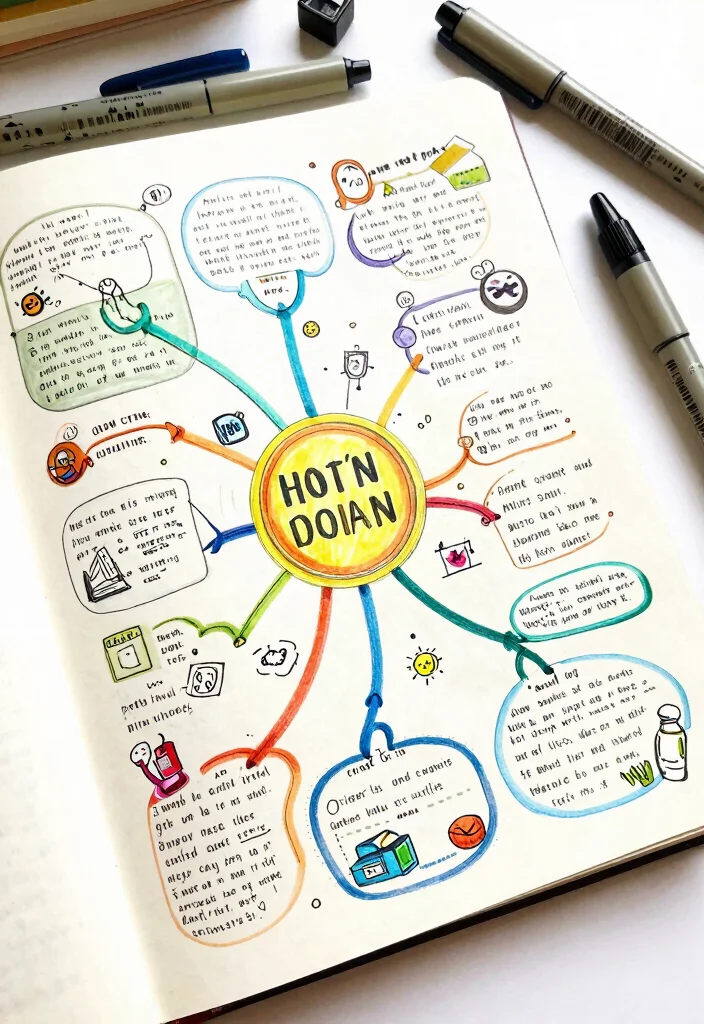
Mind mapping is a fantastic technique for brainstorming and organizing your thoughts. Incorporate this format into your illustrated journal to visualize ideas, projects, or themes. It fosters free-flowing creativity while keeping your focus on central concepts.
To create a mind map, write your main idea at the center of the page and branch out with related thoughts connected by lines. Use colors and illustrations to differentiate between ideas or categories, and draw symbols that represent each branch for better visual comprehension.
Steps to create mind maps:
– Place your main idea at the page center
– Branch out with related concepts
– Use colors and illustrations for clarity
– Draw symbols for visual representation
This method is not only useful for planning projects but also a fun way to explore new topics, making your journaling experience dynamic and visually engaging!
12. Personal Reflection Pages
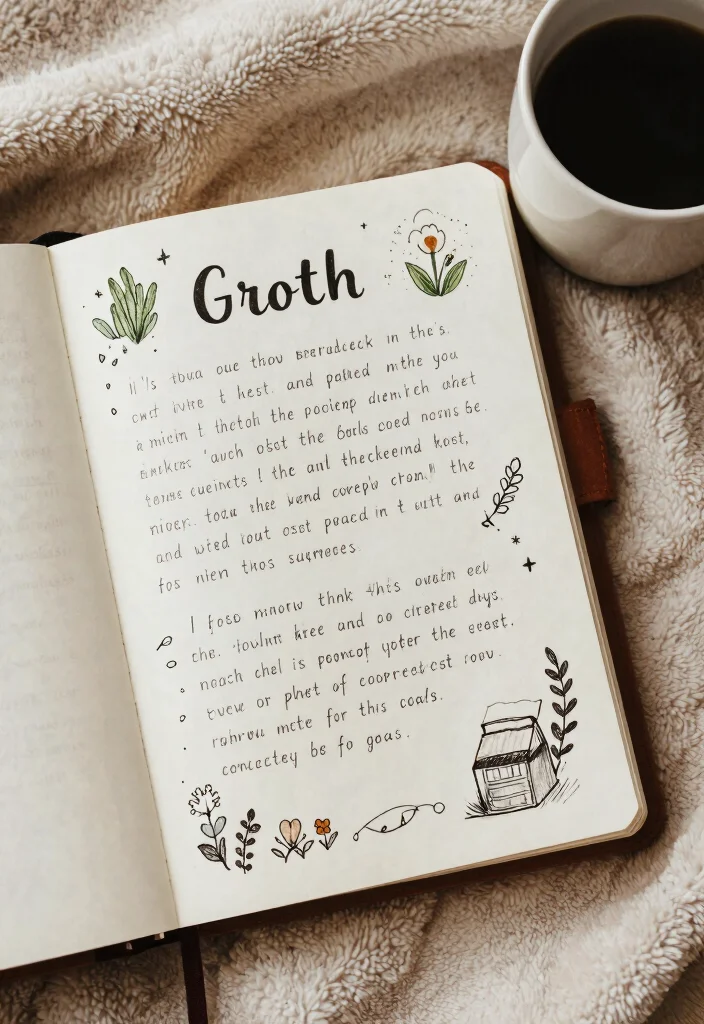
Conclude your journal with personal reflection pages that allow you to contemplate your experiences, lessons learned, and future aspirations. Pairing words with illustrations adds depth to your reflections and enhances their impact.
To enrich your reflection pages, write about significant events or everyday moments that shaped you. Use drawings to visually express your feelings or experiences. Consider prompts like ‘What I learned this month’ or ‘My future goals’, and include photographs or mementos that spark memories.
Ways to enhance your reflection pages:
– Write about impactful experiences
– Illustrate feelings or significant moments
– Include reflective prompts for deeper insights
– Add photographs or mementos for memories
These pages serve as powerful reminders of your growth, allowing you to cap off each journaling session with gratitude and thoughtful reflection!
Conclusion

Incorporating illustrated journal ideas into your routine can ignite creativity and foster mindfulness. Each unique concept encourages you to express your thoughts and feelings artistically, making journaling a delightful practice to look forward to.
Whether you stick to one idea or mix and match, remember that the journey is yours to explore and enjoy. Let your imagination run wild, and who knows? You might discover hidden artistic talents along the way!
Frequently Asked Questions
Question: What exactly is an illustrated journal and how can a beginner start right at home?
An illustrated journal combines writing with drawings, doodles, and decorative elements to capture ideas visually. For beginners, start small with one page per day and simple supplies.
Starter kit: a notebook you love, a pencil, an eraser, a fine liner, and a few markers or watercolor pencils. Pick a theme and explore illustrated journal ideas that match your interests. Practice 10-minute sessions and keep lines light so you can build confidence without worrying about perfection.
Try DIY journal prompts like ‘today I notice’ or ‘three things I’m grateful for’ and add color blocks, washi tape, or tiny stickers. The goal is a personal, expressive record, not museum art.
Question: Which illustrated journal ideas are easiest for beginners, and how do I choose the right project?
Begin with simple, low-pressure ideas that require minimal drawing. Easy illustrated journal ideas include icons, quick doodles of daily objects, color swatches with captions, or collage elements from old magazines. To pick the right project, start with your interests and a weekly theme (plants, coffee, travel memories, etc.). Try a few creative journaling ideas and start with a short page focusing on sketching for beginners. Pair your sketch with a few lines of journaling to build your journaling techniques gradually.
Question: What supplies do I need to start my illustrated journal at home on a budget?
Get the essentials first: a notebook you’ll actually enjoy using, a few pencils, an eraser, a fine liner, and a couple of markers or watercolor pencils. Add optional items as you go: a ruler, a small brush, a white gel pen, scissors, glue, washi tape. You don’t need expensive gear—many arts and crafts projects can be done with these basics. For prompts and structure, try DIY journal prompts and journaling techniques that maximize impact with limited resources.
Question: How can I stay motivated and turn illustrated journaling into a regular habit?
Make it easy to start: commit to 10 minutes a day or one page a day. Create a tiny dedicated space for your journal near your desk so you see it daily. Use a mix of creative journaling ideas and sketching for beginners exercises to keep things fresh—try a weekly theme, a daily prompt, or a quick color study. Track your progress with a simple habit log and celebrate small wins to keep the momentum going.
Question: What beginner-friendly journaling techniques can help me improve over time?
Try foundational journaling techniques that build skill without overwhelm: daily 5-minute sketches, gesture drawing warmups, grid or panel layouts for balance, and pairing drawings with short captions. Practice sketching for beginners using simple shapes and break-downs, then gradually add shading and color. Mix in creative journaling ideas like mood boards or DIY journal prompts to reinforce learning and make the pages feel alive.
Related Topics
illustrated journal ideas
artistic journaling
creative journaling
DIY journal prompts
sketching for beginners
beginner friendly
easy journaling techniques
bullet journaling tips
arts and crafts projects
personalized journal
self-expression art
home crafting