

Summer is officially here and I feel a need for a change. Lots of people at this time of year will feel the same and look for new projects to get stuck into, including decorating their homes and getting their lives more organised. The minimal lifestyle is a great way to look at living your life and I’m going to share some amazing Midori journal ideas to help you stay on the right track. These spreads will help you to stay productive, be more organised and lead a more minimal way of life.
So you love to craft and journal? Well you’re in the right place. This guide is perfect for the crafty journaler at heart that loves simple design and organisation. A little bit of experience with journaling would be great but not necessary. There will be many layouts in here that will suit your needs as a journaler, keeping you organised in a simple, uncluttered way, allowing you to free flow and be creative without having to draw everything out.
You’re reading: 10 Simple & Practical Midori Journal Ideas Want to learn 10 Simple & Practical Midori Journal Ideas in which they are presented in a very minimalist yet practical way? By the end of this post you’ll learn all about how you can customize your very own journal to whatever need you wish to fulfill, ensuring you not only have a journal that is extremely pleasing to the eye but one which is also a high functionality productivity and organizational tool.
Key Takeaways
– Discover 10 minimal and functional layouts tailored for Midori journals, perfect for enhancing your productivity.
– Each layout is designed for a particular use (e.g. logging, project planning).
– Learn journaling tips that promote creativity while maintaining a clean and simple aesthetic.
– Implement bullet journal layouts that streamline your planning process without overwhelming your space.
You can use these minimalist crafts as the basis for creating a journaling experience that is truly personal and functional with stationery.
1. Daily Log Layout

You would like to have a way of keeping track of the events of your everyday life. You can write all of your appointments, tasks, and notes in a daily log. In the space headed date enter the date of the day you are recording your activities. List your tasks as bullet points in the spaces provided. Keep your entries as straightforward as possible.
Use dots for your tasks, circles for your appointments and dashes for your notes. This way, you will not only be better organized throughout your day, but you will also be able to tick your tasks off as they are completed, giving you a wonderful feeling of accomplishment! Leave some extra space in your planner to add some notes on what went well and what didn’t, so that you can take this into account when planning out your following day.
Things to Keep in Mind: – Try to keep the number of to-do’s low, such as between 5-7 for each day. – Use different colors to differentiate between different types of to-do’s like work or personal items and whether they are urgent or not. – Create a Mini Review section to record a brief summary of each day.
This approach helps you maintain focus while fostering personal growth.
2. Habit Tracker
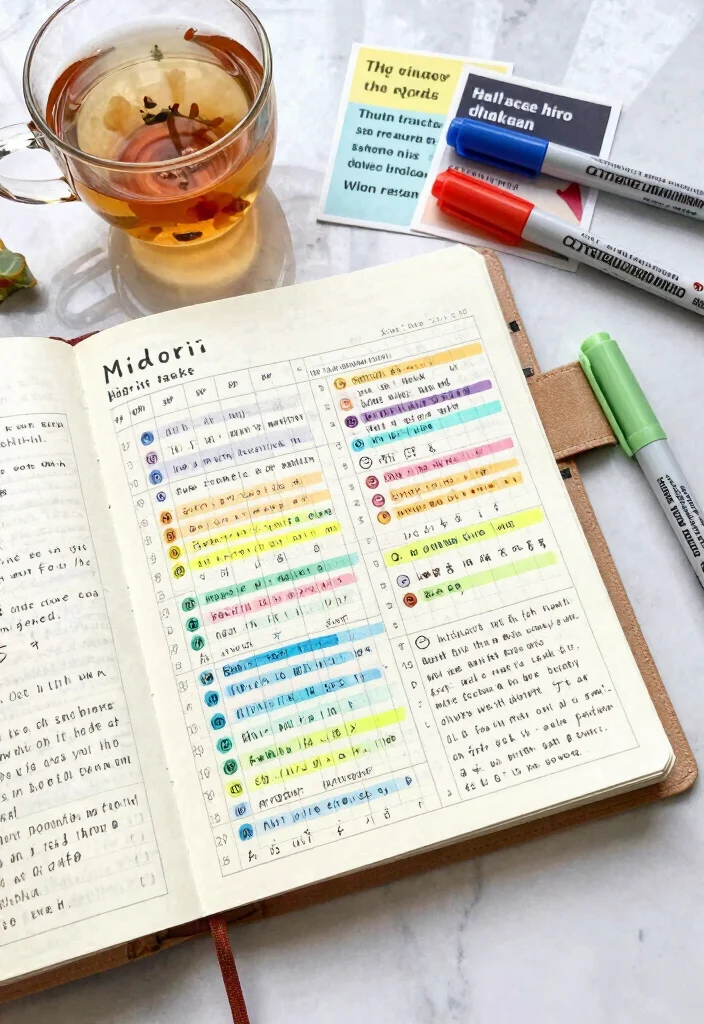
Are you trying to keep track of some habits? A habit tracker can help you get a good picture of what you’re doing on a regular basis and help you reach your personal goals. You can create a simple one by drawing a grid and listing the days of the month across the top and your habits down the side.
Mark each day off as you complete your habit. Over time your tracker will turn in to a rainbow of consistency. Use this tracker for any habit you want to build including but not limited to drinking more water, working out, practicing gratitude. Great way to build awareness of your journal.
Fun tracker Tips: – Choose 3-5 habits you would like to work on each month in the space provided at the top. – Use stickers or colour in your choices to make it more visually appealing. – Write a motivational quote in each section of the grid for an extra boost.
Tracking your habits not only helps increase your productivity but also adds a little fun to journaling.
3. Monthly Overview
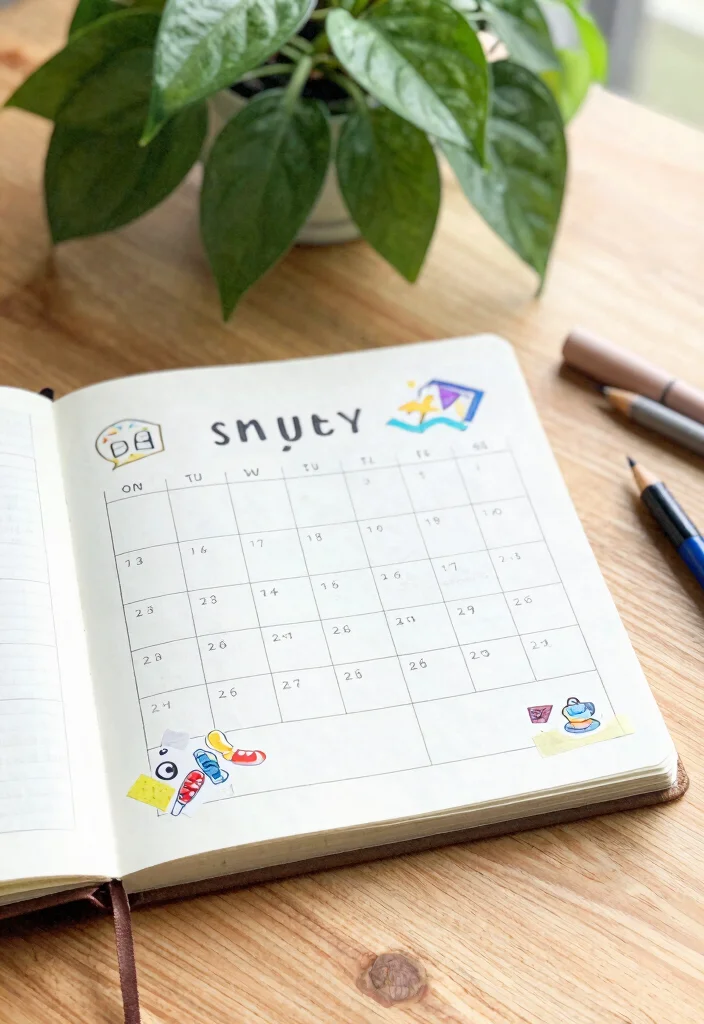
Many people struggle to stay organized throughout an entire month. A very important tool to help organize your month is an overall monthly calendar overview. You can choose to draw it out as a calendar grid or break it down into separate sections or columns and color code different events taking place throughout the month so you can plan ahead and never miss an important date or deadline.
Decorate the template with doodles and/or stickers. Each month, take a few minutes to look back on your accomplishments and think about what you can strive for the following month.
Ideas for Monthly Spreads: Theme for the Month Tracker for Monthly Goals Brainstorm & Notes
This overview acts as a functional tool while beautifully showcasing your life’s journey.
4. Brain Dump Page
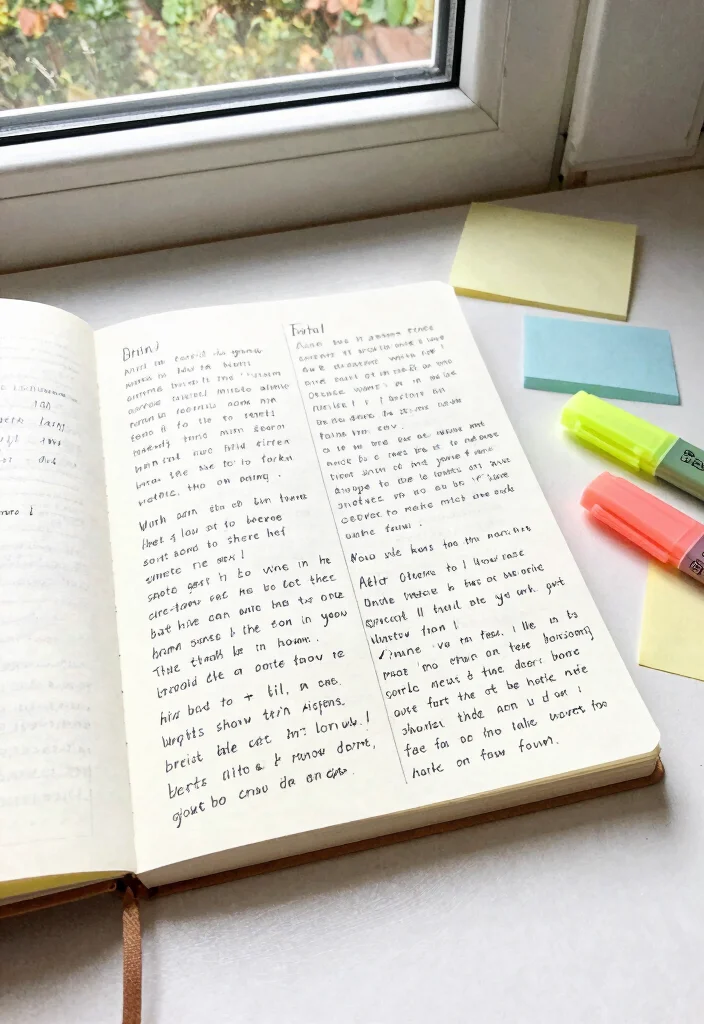
Feeling overwhelmed and don’t know where to start? Well this brain dump page is here to help you get rid of all your worries and dump them onto here so that you are less stressed and less cluttered in the head! Use this page to freely write without worrying about sentences, grammar or spelling.
Write the word “Brain Dump” at the top of the page and just start writing. The goal is to get everything that you are thinking and feeling down on paper, without worrying about proper spelling, grammar, or sentence structure. Once you have completed the page, you can then use it as a tool to help you prioritize tasks and focus on the items that are truly important to you, or to brainstorm new ideas for follow up on a different day.
Banging Brainstorm Ideas for Brain Dump Notes Include the Date so You can Identify Patterns to Share more Often Use Bullet Points and Doodles to Make your List More Fun Check-in Regularly to turn mayhem into mastery
This layout is both practical and therapeutic, allowing you to process your thoughts creatively.
5. Goals Page
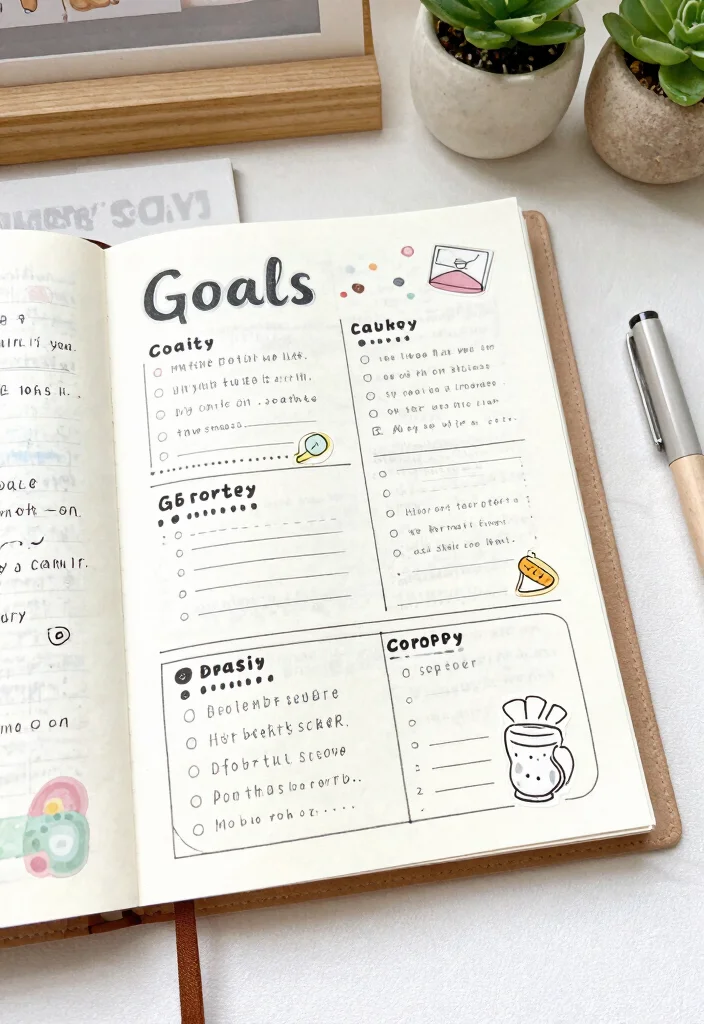
Who wants to keep their dreams visible? Having a dedicated space for your goals can be really powerful in helping you focus on what you want to achieve. You can break down your goals into short-term, medium-term, and long-term so you can see a clear progression towards your end goal.
Breaking down goals into actionable steps and assigning due dates is essential to staying on track and reaching our aspirations. Adding inspirational quotes and pictures can help keep us motivated on our journey. Regularly checking this page will allow us to view our accomplishments and celebrate our successes along the way.
Ways to Make your Goals Page More Awesome: – Break down your goals by Life Areas (Personal, Work & Learning, Health, etc.) – Break down your goals into individual action steps – Include some images (or link to them) that relate to each goal you list
If you make a Goals Page in your journal, it will become a tool to represent your desires, and you’ll feel that journaling is worth your while.
Did you know? In midori journal ideas there is a page which can transform your goals into actions. A study revealed that having a Goals page can increase task completion rates by up to 42% in just 6 weeks! Get started by decomposing large goals into smaller actionable steps, schedule deadlines for each and then log every single achievement.
6. Travel Log
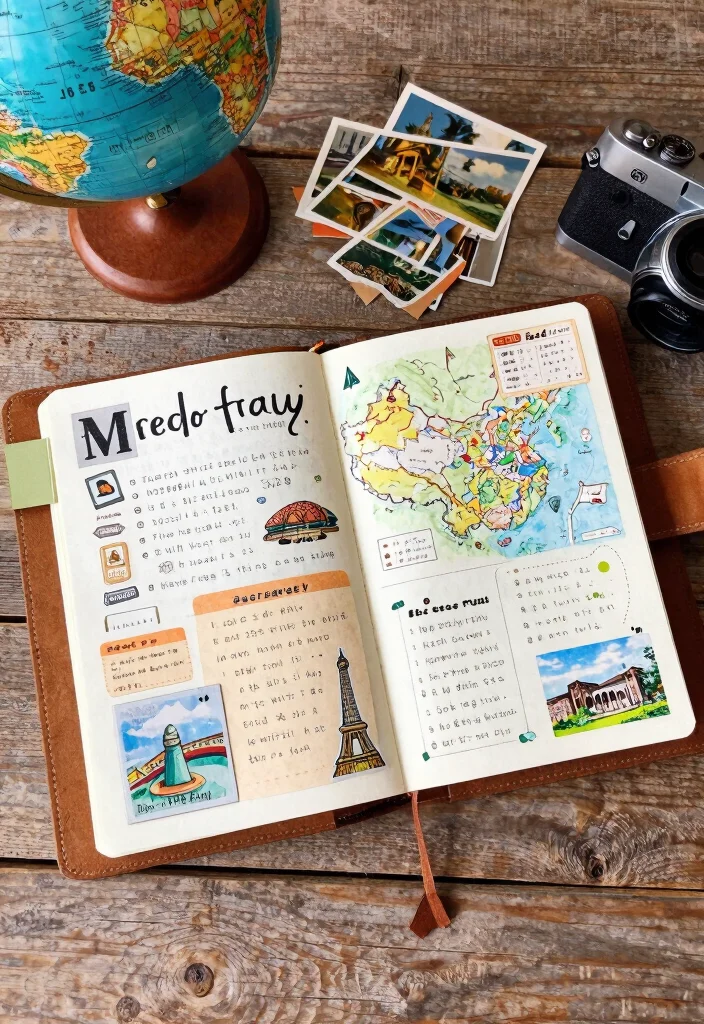
Time to get a little travel-y? Having a travel log in your Midori journal is an excellent way to record all of your travels. Use this format to keep track of your itineraries, packing lists and travels highlights.
Places to visit, foods to eat, facts and fun things about the places we have visited. This can include maps or drawings. We like to save ticket stubs, postcards and pictures of the special places we have been. This journal turns into a keepsake memory book of all our adventures.
Use these Essentials to help you record important details for your travel log. Packing List Create a checklist of items you don’t want to pack without. Destination Checklists Create a checklist of items to cover while you are at each destination. Highlights & Lessons Record your highlights of the day or week and also any lessons you have learned.
Turn your journaling into a travel log to create a colourful record of your experiences so you can relive them again and again.
Did you know that logging your travels in your midori journal ideas helps you to retain the memory of at least 40% of your trips one year later. By incorporating maps, tickets, and simple sketches you’ll be able to document your itinerary, the food you eat and the experiences you have and therefore be able to reflect on them later. Try it out! #midori #midorijournal #traveljournal #memorykeeping #travelblog #japanesestationery #sketching #travels #worldwanderers #wanderlust #documentyourlife #travelwriter #sketchbooklove #artjournal #journaling #travelvibes #suitcaseandcoffee #instapassport #worldtraveler #mytravel diary #explorewithme #diarylove #fijifibers #fijiartfoundation #journallife #wellnessjournal #dreambig #stationerylove #travelsociety #journalstory #byslow #slowdesign #japanesestyle #inspirationforthemodernlife #kutaniware #thejoyofjournaling #slowlydownthespiralstaircase #letteringjournal #colourfulpages #theartofjournaling #naturejournal #reflectionsandwit #wellnessforeveryone #reflections #travellerjournal #journalthroughlife #notesonthenature #thefloatingocean #dreamcatcherjournal #journaljunkie #thenatureof journals #wanderlove #travelgram #lovelylife #yesterdayiscapture #journalnote #thenatureoflife #yourfjiidiary #surrealandlove #inspirationblog #artjournaling #thenatureoftravel #traveljournallove #letteringwithjoy #bulletjournal #bujournal #diarypassion #journalstyle #dreamon #travellersjournal #artjournallove #notebooksforjournaling #mindfulmoment
7. Recipe Section
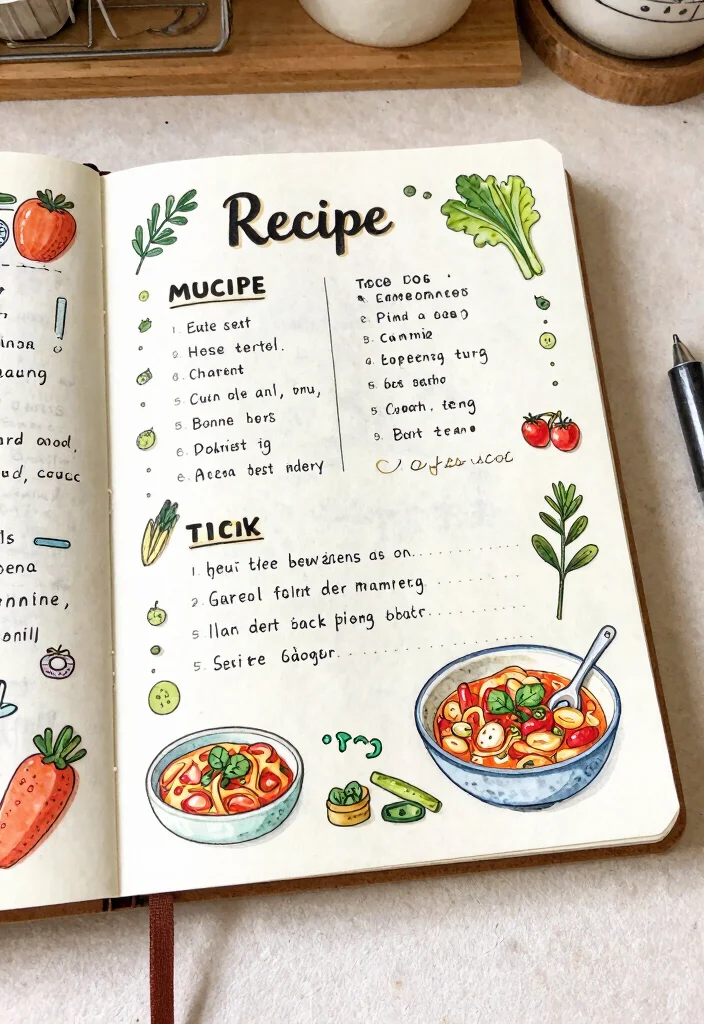
Do you love food? Why not turn a page or two of your Midori into a recipe section! Create a layout that includes spaces for: – the ingredients required – the cooking instructions – any notes that you may want to add to the recipe that work well for you. What will you record? Let us know!
record the recipes for the dishes you prepare and classify them by type (appetizers, main courses, etc.); you can also illustrate them with photographs or drawings of the food. Here you will have a true personal cookbook.
Recipe Notes for Cookbook Software Tips for your recipe section: – Leave space for reviews of your recipe with notes about changes and results. – Include cooking time for meal planning. – Create an index of your recipes.
This section not only keeps your favorite meals in one place but also sparks creativity in the kitchen.
8. Inspirational Quotes Page
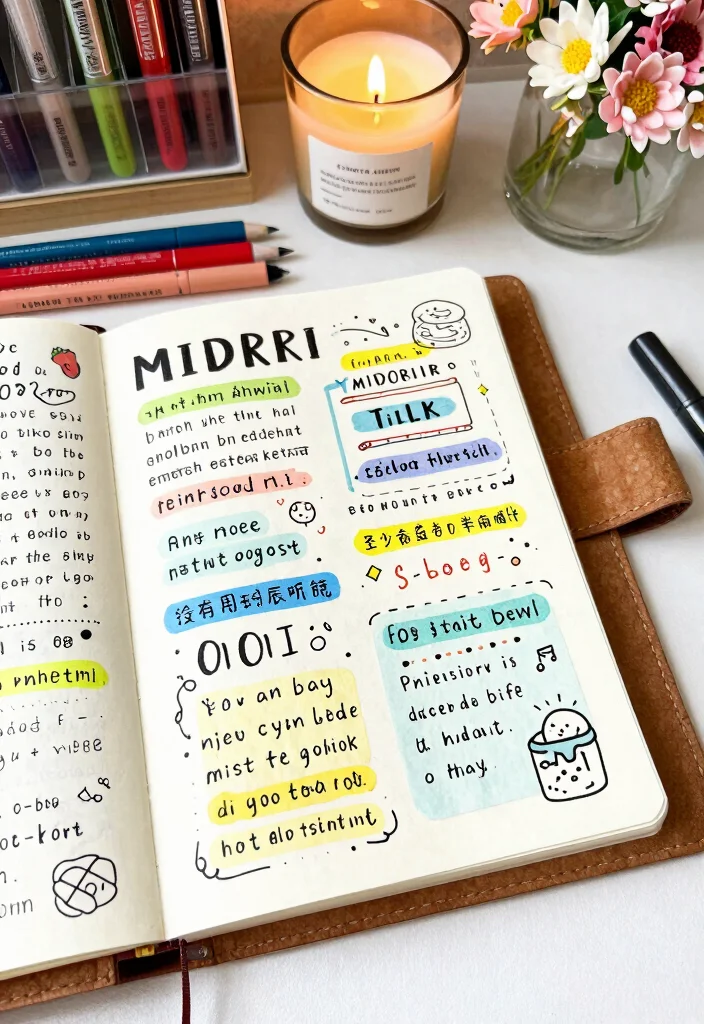
Need a boost of motivation? An inspirational quotes page can be your go-to source on tough days. Dedicate a section in your Midori journal to jot down your favorite quotes, sayings, or affirmations that resonate with you.
Decorate this page with calligraphy, doodles, or small images that relate to the quotes. This layout serves as a powerful reminder of your values and aspirations, offering inspiration whenever you need it.
Enhance your quotes page with:
– Various typography styles for an artistic flair.
– Colors using pens or markers to highlight sections.
– Visuals that inspire, such as sketches or cutouts.
Creating an inspirational quotes page enriches your journaling practice with positivity and creativity.
9. Project Planning Page
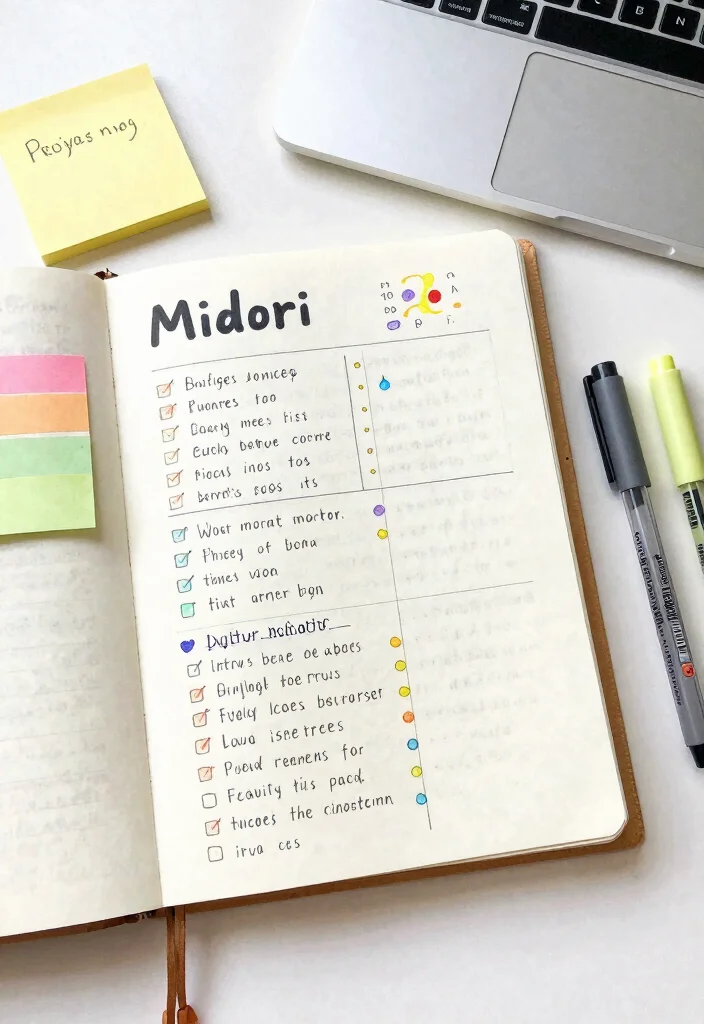
Juggling multiple projects? A project planning page is vital. This layout allows you to break down each project into manageable tasks, timelines, and goals. Use a clean structure with headings for each project and a checklist for tasks to stay organized.
Incorporate a color-coded system to visualize your progress and leave space for notes or reflections on what’s working and what can improve.
Key strategies for effective planning:
– Limit projects to 2-3 at a time to prevent overwhelm.
– Use symbols to indicate progress, like hearts for completed tasks.
– Reflect regularly to adjust your action plan as needed.
This layout simplifies project management, making it easier to achieve your goals efficiently.
How To Choose The Right Midori Journal Ideas
Choosing the right Midori journal ideas can enhance your journaling experience. Minimalist and functional layouts help you stay organized and productive. Here are some key criteria to consider when selecting your journal layout.
1. Purpose
Before you start, think about what you want to achieve with your journal. Are you tracking habits, planning projects, or reflecting on your week? Knowing your primary goal will guide your layout choices. For instance, if you want to stay on top of your daily tasks, a daily log layout might suit you best.
2. Layout Style
The layout style can vary significantly in a Midori journal. Some popular options include bullet journal layouts, calendar views, and modular sections. Choose a style that resonates with your workflow. If you prefer simplicity, minimal layouts with clean lines may appeal to you. If you’re more creative, consider layouts that allow space for drawings or quotes.
3. Materials
Consider the type of paper and cover materials used in the journals. If you like to use various pens or markers, choose a paper that can handle ink without bleeding through. Leather covers provide durability, while synthetic materials can be lighter and more versatile. Think about how you want your journal to feel in your hands and how it will hold up over time.
4. Size
Midori journals come in various sizes, from A5 to B6 and even pocket-sized. The size you choose should depend on how portable you want your journal to be. If you plan to carry it in your bag, opt for a smaller size. If you’re using it primarily at home, a larger size may allow for more elaborate layouts and designs.
5. Customization Options
Customization is one of the great features of Midori journals. Think about how much customization you want. Some layouts allow you to create your sections, while others come pre-printed. If you enjoy DIY projects, a blank layout might inspire you to add your flair. If you want functionality without the fuss, choose a ready-made layout.
6. Budget
Finally, consider your budget. Midori journals can vary in price based on size, material, and brand. Set a budget before shopping to narrow your options. Remember that investing a little more in a quality journal can enhance your writing experience and longevity.
Pro Tip:
Try experimenting with different layouts before committing to one. You can practice in a separate notebook to find what works best for your needs. This way, you can explore various styles without worrying about making mistakes in your main journal. Happy journaling!
10. Weekly Reflection Page
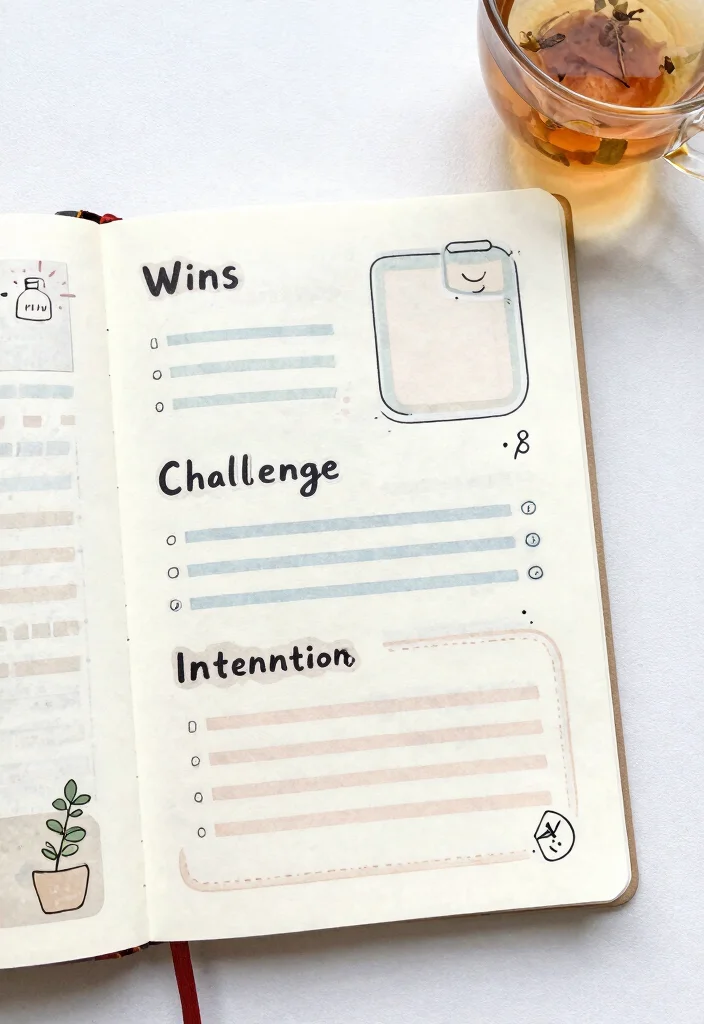
Want to assess your week effectively? A weekly reflection page allows you to summarize your highs and lows, accomplishments, and areas for improvement. This layout fosters self-assessment and growth, which are essential for personal development.
Divide the page into sections like ‘Wins’, ‘Challenges’, and ‘Next Steps’ for clarity. This format helps you understand your week better and set a positive tone for the days ahead.
Tips for your reflection page:
– Be honest with yourself about successes and setbacks.
– Include a gratitude section to boost your mood.
– Set intentions for the upcoming week to focus your efforts.
Using a weekly reflection page deepens your journaling practice, making it meaningful and engaging.
Fun fact: A weekly reflection page takes only 7 minutes but can transform your week by turning wins, challenges, and next steps into a clear action plan. Try it as part of your midori journal ideas for consistent growth.
Conclusion

Embracing minimalist Midori journal ideas can transform your everyday organization and creativity. Each layout offers a unique opportunity to customize your journaling experience, making it both functional and enjoyable. By incorporating these simple yet effective designs, you can not only enhance your productivity but also enjoy the process of journaling.
So grab those pens, let your creativity flow, and start crafting your own beautiful Midori journal today!
Frequently Asked Questions
What are Midori journal ideas for a minimalist setup and how do I start?
Midori journal ideas embrace compact, flexible layouts that move with your day.
To start, choose a Midori-style notebook and design a simple framework: an index to find pages, a future log for long-term plans, a monthly layout for priorities, and daily pages for tasks. Use functional stationery like a fine-tip pen and a slim ruler, and keep plenty of white space. Finish with a tiny weekly creative organization review to stay on track.
How can I create practical Midori journal ideas for productivity and organization?
For productivity with midori journal ideas, build layouts that capture priorities and progress: start with an index, a future log, a monthly spread, and a weekly/daily page combo. Use a simple color-coding scheme for tasks, notes, and goals. Include a habit tracker and a project page to align with creative organization goals. Keep it minimalist: limit decorations, focus on function, and review weekly to adjust.
Can I use bullet journal layouts with a Midori notebook?
Absolutely. The trick is to adapt bullet journal layouts to the narrow pages and flexible inserts of a Midori notebook. Start with a labeled index, then create compact sections: a monthly log, a daily log, and lightweight trackers. Use short bullets for tasks, events, and notes, and reserve overflow for a few carefully chosen collections. Pair with functional stationery to keep things clean and quick to update, and your creative organization stays fluid.
What supplies are essential for minimalist Midori journal ideas and how can I stay organized?
Keep it simple to stay organized. Essential supplies include a Midori-style notebook or inserts, a dependable pen, a slim ruler, and a small pocket folder for loose notes. Choose a light color palette and a minimalist crafts approach: plain covers, subtle icons, and just a few page templates. For organization, set a weekly review ritual, use an index to find pages fast, and stick to a bullet journal layouts plan that aligns with your creative organization goals.
What journaling tips help me maintain consistency with a Midori setup?
Consistency comes from small daily wins. Try journaling tips like a 5-minute daily entry, a weekly planning session, and a recurring theme for each day. Use a minimalist crafts mindset: fewer pages, more purpose. Build routines around an index and a future log so nothing slips through the cracks. Finally, celebrate progress with a quick creative organization recap each week.
Related Topics
midori journal ideas
minimalist design
functional layouts
bullet journal
creative organization
easy journaling
stationery crafts
productivity tools
beginner friendly
DIY journaling
minimalist crafts
quick tips