Creating a doctor journal can be a fulfilling way to keep track of your medical journey. If you’re a medical student or a healthcare professional, you know the importance of organizing your thoughts, lessons, and patient experiences. That’s why I put together this post on doctor journal ideas. You might be craving practical and creative ways to journal your experiences and knowledge as you navigate through your medical career.
This guide is for anyone who wants to engage in creative journaling for doctors, whether you’re just starting out or have been keeping a journal for years. If you care about having an organized and practical journal that suits your needs, you’re in the right place. In the following sections, you’ll find nine unique journal ideas, complete with organized page designs. These ideas will not only keep your thoughts in order but also inspire you to reflect and grow on your medical journey.
By the end of this post, you’ll have a treasure trove of doctor journal ideas. These layouts will make your journaling experience enjoyable and effective. Get ready to transform your notebook into a well-structured resource that you can refer to throughout your career.
Key Takeaways
– Daily Planner Layout: Create a daily planner to help you manage your schedule effectively, including classes, study sessions, and patient appointments.
– Patient Log Templates: Use specific templates to document patient interactions, treatments, and follow-ups, allowing you to reflect on your experiences and improve your care.
– Study Session Tracker: Track your study habits and progress to ensure you’re covering essential topics and retaining crucial medical knowledge.
– Reflection and Growth Pages: Dedicate space for reflecting on your learning journey, noting challenges faced, and identifying areas for growth.
– Wellness and Self-Care Pages: Include sections focused on your mental health and self-care routines to help maintain balance and prevent burnout in a demanding field.
1. Daily Planner Layout
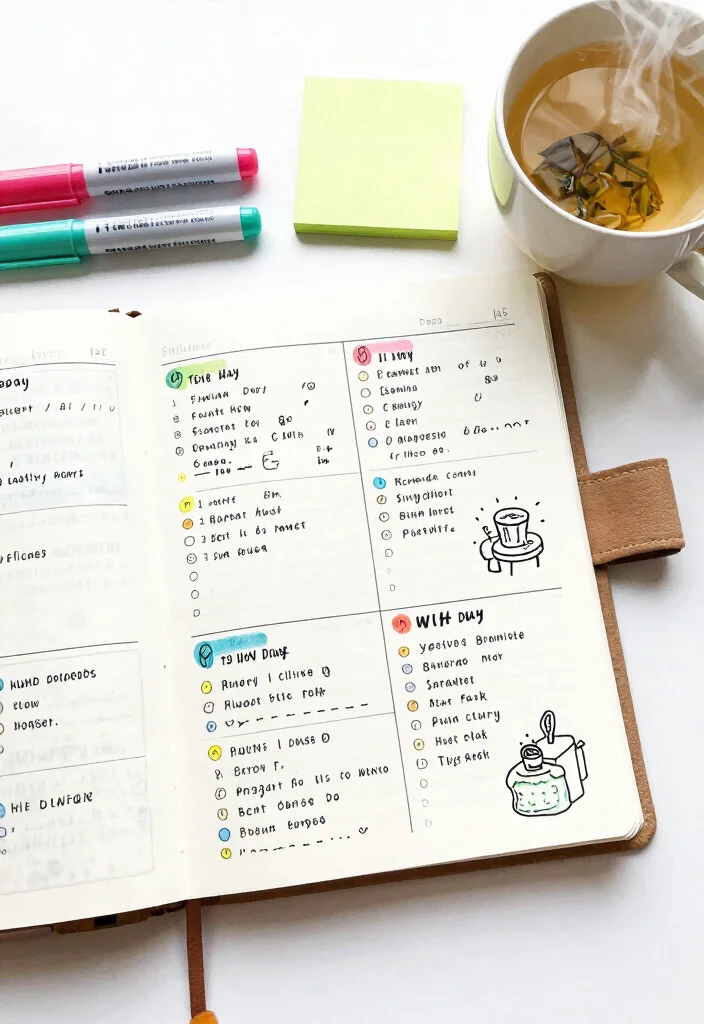
A daily planner layout is your best friend when it comes to staying organized. Imagine a sleek, structured page where each day shines with its own unique section. You can easily jot down appointments, study times, and personal tasks in a visually engaging format. This setup not only helps you manage your time but also keeps track of your daily progress.
To make your daily planner even more effective, consider these practical tips: Focus on color coding to distinguish between study sessions and personal errands. Add a small box for daily reflections or gratitude notes to maintain a positive outlook. Incorporate a habit tracker that motivates you toward wellness goals like hydration and exercise.
Key features to include:
– Use vibrant colors to separate tasks by category
– Include a reflection box for daily insights
– Add a habit tracker for wellness goals
By dedicating a section to daily planning, you ensure that nothing slips through the cracks, making your medical journey a lot smoother.
A daily planner isn’t just a to-do list—it’s your study compass for doctor journal ideas. Color-code exams, rounds, and self-care, and watch your progress take shape.


Last update on 2026-03-01 / Affiliate links / Images from Amazon Product Advertising API
2. Patient Log Templates

Keeping detailed patient logs is vital for effective record-keeping. Custom patient log templates simplify this task, allowing you to categorize notes by patient name, date, and observations. This organized approach helps streamline your documentation process.
Add these elements to enhance your patient logs: Include sections for vital signs, medications prescribed, and upcoming follow-up appointments. Create a reflection area to note what went well during each interaction as well as areas for improvement. Make it visually appealing by using headers and borders to distinguish each section.
Essential components to consider:
– Document vital signs and treatment details
– Include reflection spaces for personal growth
– Design engaging headers to organize sections
A well-crafted patient log not only sharpens your documentation skills but also aids in future case discussions and exam prep.


Last update on 2026-03-01 / Affiliate links / Images from Amazon Product Advertising API
3. Study Session Tracker

Managing your study sessions can feel overwhelming, but a dedicated tracker can simplify things. Design a page that outlines your study goals, topics covered, and the time spent on each subject, ensuring you stay organized and accountable.
Here are some tips to improve your tracker: Use a progress bar for each subject to visualize your achievements. Include a section for key takeaways from each session to reinforce what you’ve learned. Experiment with layouts, like bullet journals or grids, to find what works best for you.
Key features to include:
– Visual progress bars for each subject
– A section for key takeaways from sessions
– Various layout options to suit your style
An organized study session tracker not only boosts your efficiency but also makes studying more engaging and rewarding.


Last update on 2026-03-01 / Affiliate links / Images from Amazon Product Advertising API
4. Medical Knowledge Repository

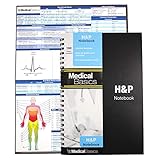
A medical knowledge repository is an invaluable resource filled with essential concepts and terminology. Set aside a section in your journal for summaries of lectures, key medical terms, and case studies.
Enhance your repository with these tips: Use mind maps to visualize connections between different concepts. Organize your content alphabetically or by topic for easy access. Incorporate illustrations or diagrams to aid in understanding.
Key strategies to implement:
– Create mind maps for concept connections
– Organize entries by topic for easy reference
– Use visuals to enhance comprehension
This repository will become your go-to tool as you prepare for exams and clinical rounds, enriching your learning experience.
Last update on 2026-03-01 / Affiliate links / Images from Amazon Product Advertising API
5. Reflection and Growth Pages

Journaling can be more than just notes; it’s an opportunity for reflection. Create pages where you can explore your thoughts on clinical experiences, personal growth, and your medical school journey.
To enhance these pages, consider: Using prompts to guide your reflections, like ‘What did I learn today?’ or ‘How can I improve?’ Add gratitude lists to maintain a positive outlook amidst challenges. Allow space for creative expression, such as sketches or inspiring quotes that motivate you.
Ideas for reflection pages:
– Use prompts to guide your thoughts
– Create gratitude lists for positivity
– Include sketches or quotes that inspire
These reflection pages deepen your connection with your journey, helping you grow more resilient in the face of obstacles.


Last update on 2026-03-01 / Affiliate links / Images from Amazon Product Advertising API
6. Monthly Overview and Goal-Setting

A monthly overview is essential for strategic planning in a busy medical program. Create a two-page spread that highlights your major goals, upcoming exams, and important dates.
To optimize this layout, try: Using a calendar view to visually mark deadlines and appointments. Include sections for both academic and personal goals to maintain balance. Use color coding to differentiate between subjects and personal activities.
Key elements to incorporate:
– Visual calendar for deadlines and events
– Sections for academic and personal goals
– Color-coded areas for easy navigation
By clearly laying out your month, you can easily navigate responsibilities, making life as a medical student much more manageable.
Fun fact: Medical students using a color-coded monthly overview, a core doctor journal ideas approach, cut last-minute cramming by 28% and hit more exams on time. In practice, block the calendar, set academic and personal goals, and watch stress melt.
7. Resource and Reference Section

Compile a resource section to list helpful websites, books, and articles that enhance your learning experience. This page will serve as a valuable asset throughout your studies.
Here’s what to include: Categorize resources by topic or specialty for easy access. Add quick summaries of each resource to remind you why they are helpful. Regularly update this section as you discover new materials.
Essential components to consider:
– Organize resources by topic for easy navigation
– Include summaries for quick reference
– Keep the section updated with new materials
A well-organized resource section saves time and ensures you have everything you need during your revisions.


Last update on 2026-03-01 / Affiliate links / Images from Amazon Product Advertising API
8. Wellness and Self-Care Pages
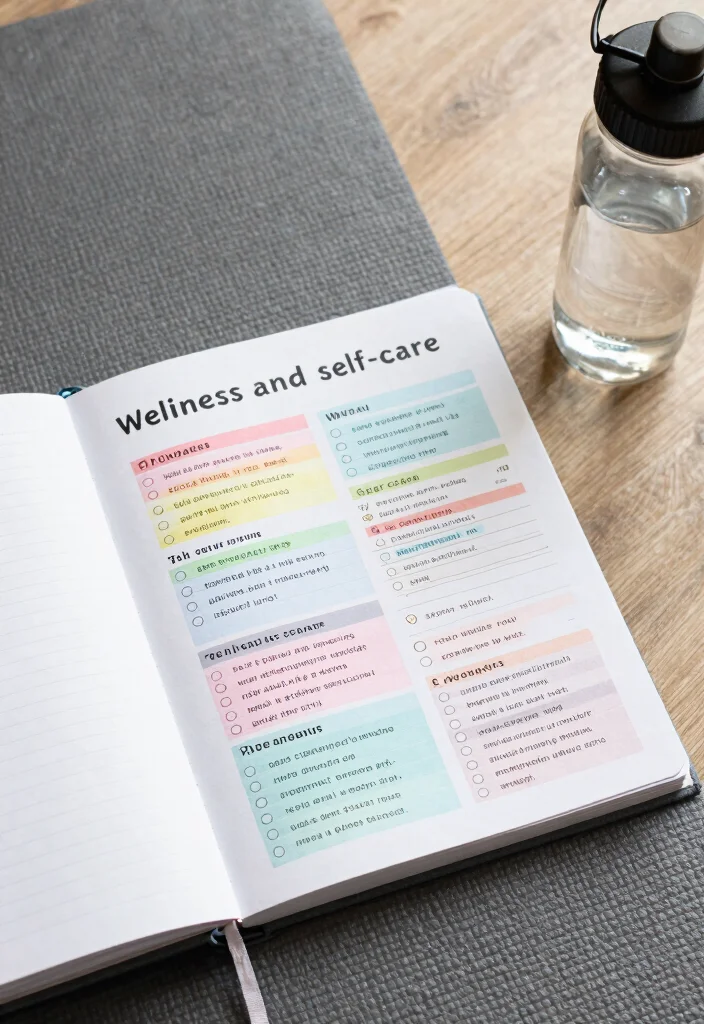
Balancing academics and self-care is crucial for any medical student. Dedicate pages to track your wellness routines, including sleep, exercise, and nutrition.
Consider these elements: Create a weekly wellness schedule that includes relaxation and physical activity. Add motivational quotes or affirmations to lift your spirits. Use visual tools like mood trackers to express your feelings each day.
Key features to include:
– Weekly wellness schedule for balance
– Motivational quotes to inspire
– Mood trackers for daily feelings
By prioritizing wellness in your journal, you promote a healthier lifestyle while managing the stresses of medical school.
Balancing academics and self-care isn’t optional—it’s essential doctor journal ideas in action. Create a weekly wellness schedule, track sleep, exercise, and nutrition, and you’ll find energy, focus, and resilience growing with every entry.


Last update on 2026-03-01 / Affiliate links / Images from Amazon Product Advertising API
How To Choose the Right Doctor Journal Ideas
Choosing the right doctor journal ideas can make a world of difference in how you organize and reflect on your medical training. A well-structured journal helps you keep track of your studies, patient interactions, and personal growth as a healthcare professional. Here are some key factors to consider when selecting your journal format:
1. Purpose
Think about what you want to achieve with your journal. Are you looking to track patients, study materials, or reflect on your experiences? Each purpose might require a different layout. For instance, if you want to focus on patient logs, you may need more structured templates, while reflective entries might allow for more free-form writing. Define your goals first to guide your choices.
2. Layout and Design
The layout of your journal is crucial for maintaining organization. Consider whether you prefer lined pages, grids, or bullet journals. A daily planner layout can help you keep track of appointments and tasks, while a structured template for patient logs can facilitate quick entries. Think about what type of layout will best suit your style and needs.
3. Size and Portability
Size matters when it comes to a medical journal. A smaller, portable journal is easy to carry around during rotations and patient visits. However, a larger journal offers more space for detailed notes and diagrams. Think about where you’ll be using it most and choose a size that fits your lifestyle. If you need a versatile option, consider a medium-sized journal that balances portability and writing space.
4. Materials and Durability
Consider the materials used for the journal cover and pages. A durable cover can withstand daily wear and tear, while high-quality paper prevents ink bleed. Look for journals made with recycled materials if sustainability is important to you. Also, think about whether you prefer a hardcover or a softcover, as this can affect how well the journal holds up over time.
5. Customization Options
Some journals offer customization features like stickers, tabs, or additional templates. If you enjoy creative journaling or want to personalize your entries, find a journal that allows for these choices. You can add your own sections based on your needs, such as wellness pages or brainstorming spaces. This flexibility can enhance your journaling experience.
6. Budget
Finally, set a budget for your journal. Prices can range widely based on brand, quality, and features. While it’s tempting to go for the cheapest option, investing a bit more in a quality journal can pay off in the long run. Look for journals that offer a good balance between price and features that meet your specific needs. Consider whether you want to invest in a bulk pack of journals for long-term use.
Pro Tip: Before committing to a particular journal, try a few pages using a pen similar to what you’ll use regularly. This can help you assess comfort, ink compatibility, and overall feel. Take your time to explore different ideas, as your journal should reflect your personal style and professional needs!
By considering these factors, you can effectively choose the right doctor journal ideas that will serve you throughout your medical journey. A well-designed journal not only aids in organization but also encourages self-reflection and personal growth, vital components for any healthcare professional.


Last update on 2026-03-01 / Affiliate links / Images from Amazon Product Advertising API
9. Creative Brainstorming Pages

Unleash your creativity with brainstorming pages focused on clinical ideas, research thoughts, or innovative approaches to patient care. This section can be a playground for your imagination.
Make it engaging by: Utilizing mind maps to brainstorm topics that excite you. Including a brainstorming grid for potential research projects or case studies. Using art supplies like stickers or washi tape to make these pages visually appealing.
Key strategies to implement:
– Use mind maps for brainstorming
– Create grids for research ideas
– Decorate with art supplies for visual appeal
These pages encourage you to think outside the box and explore future projects that can enhance your medical career.


Last update on 2026-03-01 / Affiliate links / Images from Amazon Product Advertising API
Conclusion

Creating a doctor journal can significantly enhance your medical education experience. By incorporating these nine organized page designs, you’ll not only stay on top of your responsibilities but also cultivate a space for creativity and self-reflection.
Engaging with your journal regularly can transform it into a personal treasure, filled with insights and memories that will support your journey in healthcare.
Frequently Asked Questions
Question: What are the top doctor journal ideas for practical and organized page designs?
Answer: Here are practical doctor journal ideas to keep your pages both useful and tidy. Start with a simple daily log: patient snapshot, key exam findings, and plan, then add an organized journal layouts template for each rotation. Include a medical journal ideas page for quick reflections on what you learned, plus a small glossary of terms you encounter. Create a dedicated reflection and learning page after shifts to capture what to review later. Use a DIY doctor notebook approach with color codes, checklists, and space for diagrams or doodles to reinforce memory. Finish with a weekly review to turn daily notes into actionable study points.
Question: How can a DIY doctor notebook boost healthcare professional journaling and clinical recall?
Answer: A DIY doctor notebook helps tailor healthcare professional journaling to your needs with customizable sections. Set up core pages like patient case summaries, differential diagnoses, treatment notes, and literature reminders as your medical journal ideas. Make it portable and review it weekly to reinforce learning, turning scattered notes into a cohesive knowledge bank. Use rotation-specific templates so you’re not reinventing the wheel every day, and keep a quick-access cheat sheet for common meds and dosages as part of your DIY doctor notebook system.
Question: Which page designs best support creative journaling for doctors and memory retention?
Answer: Pick page designs that blend structure with creativity, like mind maps for differential diagnoses, grid-based diagnostic flows, and drawing margins for quick sketches. Incorporate color codes, icons, and doodle zones to anchor concepts and improve recall. Add short prompts on each page, such as What was the key takeaway? or What would I review next time?, to make every entry actionable and memorable for long-term learning in medical journal ideas.
Question: What supplies and templates help create organized journal layouts for medical students?
Answer: Essential supplies include a dot-grid or ruled notebook, a ruler, markers, sticky tabs, and printable templates. Use templates like daily log, rotation overview, patient snapshot, learning goals, and a weekly review to keep things tidy. Organize by system or rotation and color-code sections for quick scanning. A DIY doctor notebook setup makes it easy to maintain organized journal layouts that you’ll actually use during clinical years.
Question: How can you tailor medical journal ideas to your specialty and rotations?
Answer: Start by identifying page types that matter most to your field (for example, case snapshots and procedure notes for internal medicine, or operative checklists for surgery). Create rotation-specific prompts and a learning objectives tracker to monitor progress. Use templates to capture relevant details, and periodically review notes with peers or mentors to refine your medical journal ideas. Keep space for reflection and career goals to make journaling personally meaningful and practically useful.
Related Topics
doctor journal ideas
medical journal ideas
organized layouts
creative journaling
DIY doctor notebook
healthcare journaling
student-friendly designs
practical page designs
easy journaling
notebook organization
doctor study tools
crafting for med students