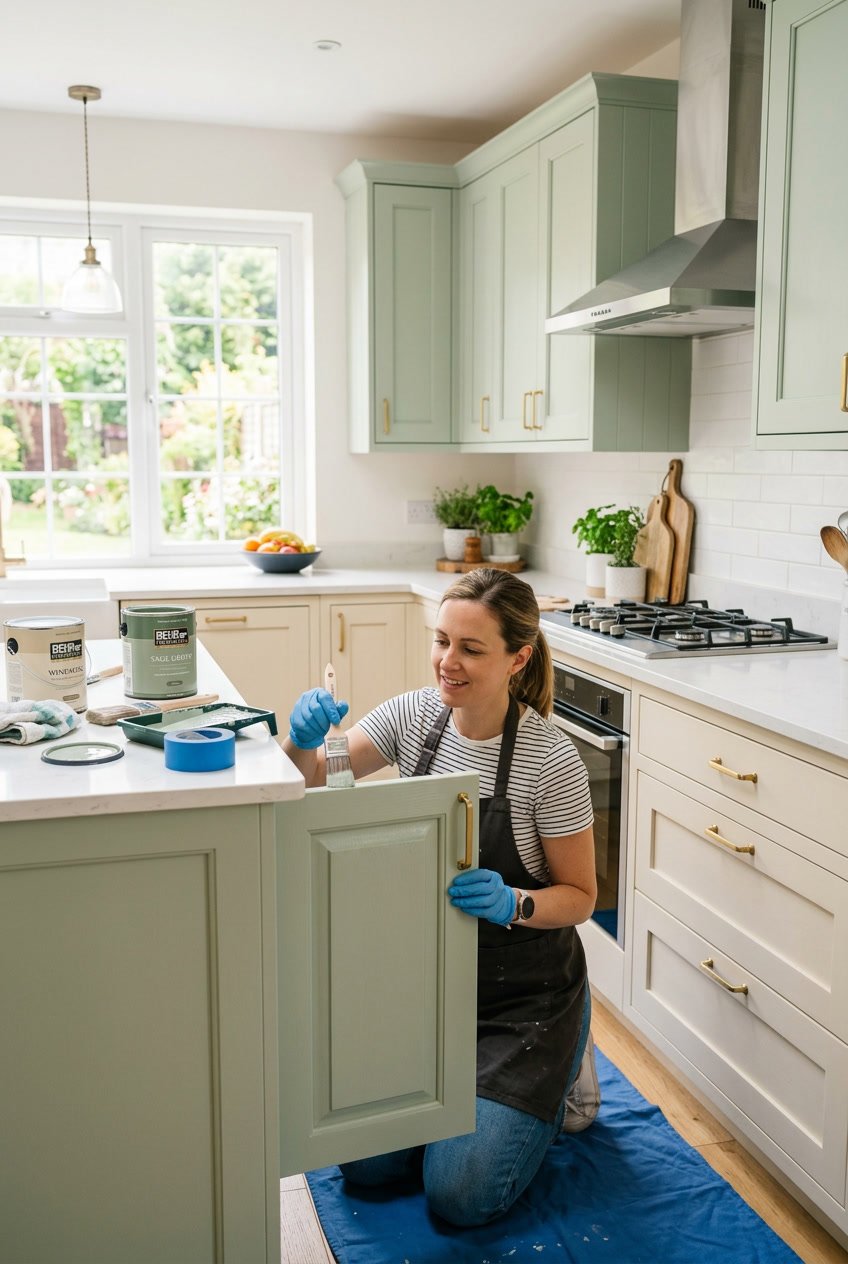
Painting your kitchen cabinets yourself can save a lot of money and give your space a fresh, custom look—no full remodel needed. You might go for a simple coat of durable paint or try bolder ideas like two-tone finishes, contrast islands, or even distressed and glazed effects, all depending on your style and budget.
If you prep carefully, use the right tools, and pick the right paint, you’ll probably end up with a finish that looks pretty close to professional. Clean, sand, prime, and paint—those steps matter, but so do your color and hardware choices.
Key Takeaways
- Prep and the right supplies really matter for a finish that lasts.
- Even a basic color change or two-tone scheme can make a huge difference without spending much.
- Hardware and topcoats help your cabinets look good for longer.
Understanding DIY Kitchen Cabinet Painting
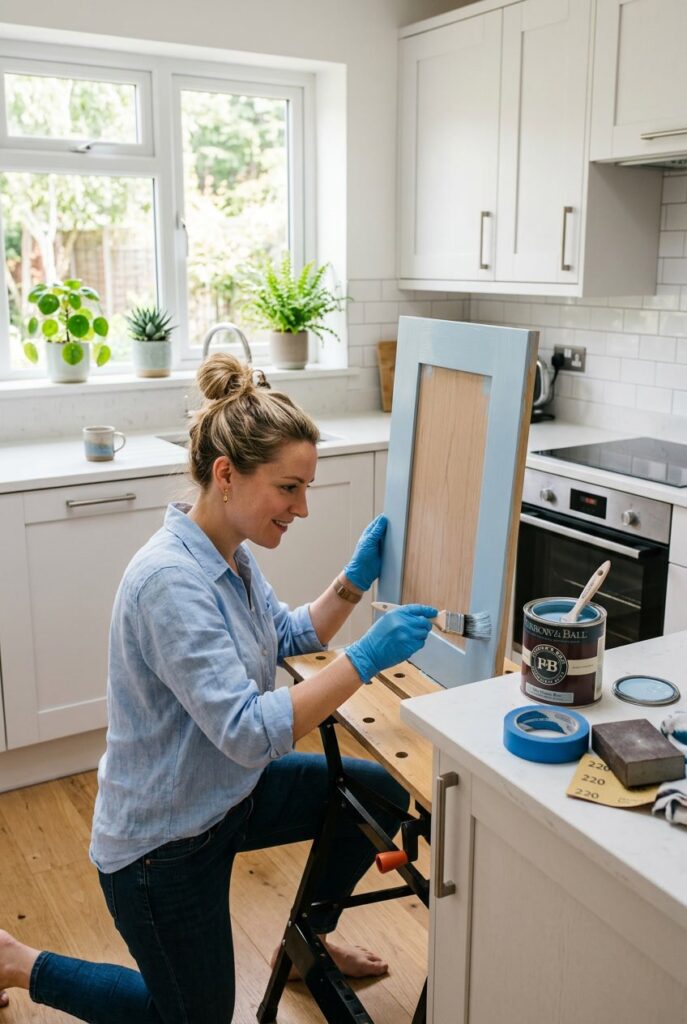
Painting cabinets can totally refresh a kitchen, save you a bunch, and let you pick the exact color and finish you want. You’ll need to know how to prep, what tools to use, and whether your cabinets will actually take paint well.
Why Paint Your Kitchen Cabinets Yourself
You keep control over the look and save a lot when you paint kitchen cabinets yourself. Pros can charge anywhere from $2,000 to $6,500, but you can do it for about $200–$600 if you already have some tools.
DIY means you can test samples, pick oil or latex paint, and decide if you want to brush, roll, or spray. Plan for at least a weekend if your kitchen’s small—bigger jobs can drag out with drying and curing. Good prep—like cleaning, sanding, and priming—really makes the difference.
Cost Comparison: DIY vs. Professional Cabinet Painting
Let’s talk numbers. Pros charge more because of labor and fancy spraying equipment, which explains the $2,000–$6,500 range. They usually deliver a super-smooth finish and work fast.
Here’s a rough DIY breakdown:
- Paint and primer: $80–$200
- Brushes, rollers, or sprayer rental: $30–$200
- Sandpaper, filler, tape, drop cloths: $40–$150
- Hardware or replacement parts: $20–$100
So, $200–$600 covers most kitchens if you do it yourself. Go DIY if you’ve got the time and patience. Hire a pro if you want a flawless sprayed finish, have tricky cabinet shapes, or just can’t stand prep work.
Assessing If Your Cabinets Are Suitable for Painting
Check the material and condition first. Solid wood, plywood, MDF, and previously painted cabinets usually take paint well. Hard, glossy surfaces like some laminates or thermofoil need special primers—sometimes it’s just not worth the trouble.
Look for damage: deep gouges, water issues, or warped doors might mean it’s time to replace, not paint. Try cleaning and sanding a small spot, then apply primer to see if it sticks. If it does, you’re probably good to go.
Remove doors and hardware if you can. Label everything. If you can’t take doors off, you’ll need to mask a lot more and be careful with drips.
Essential Materials and Tools
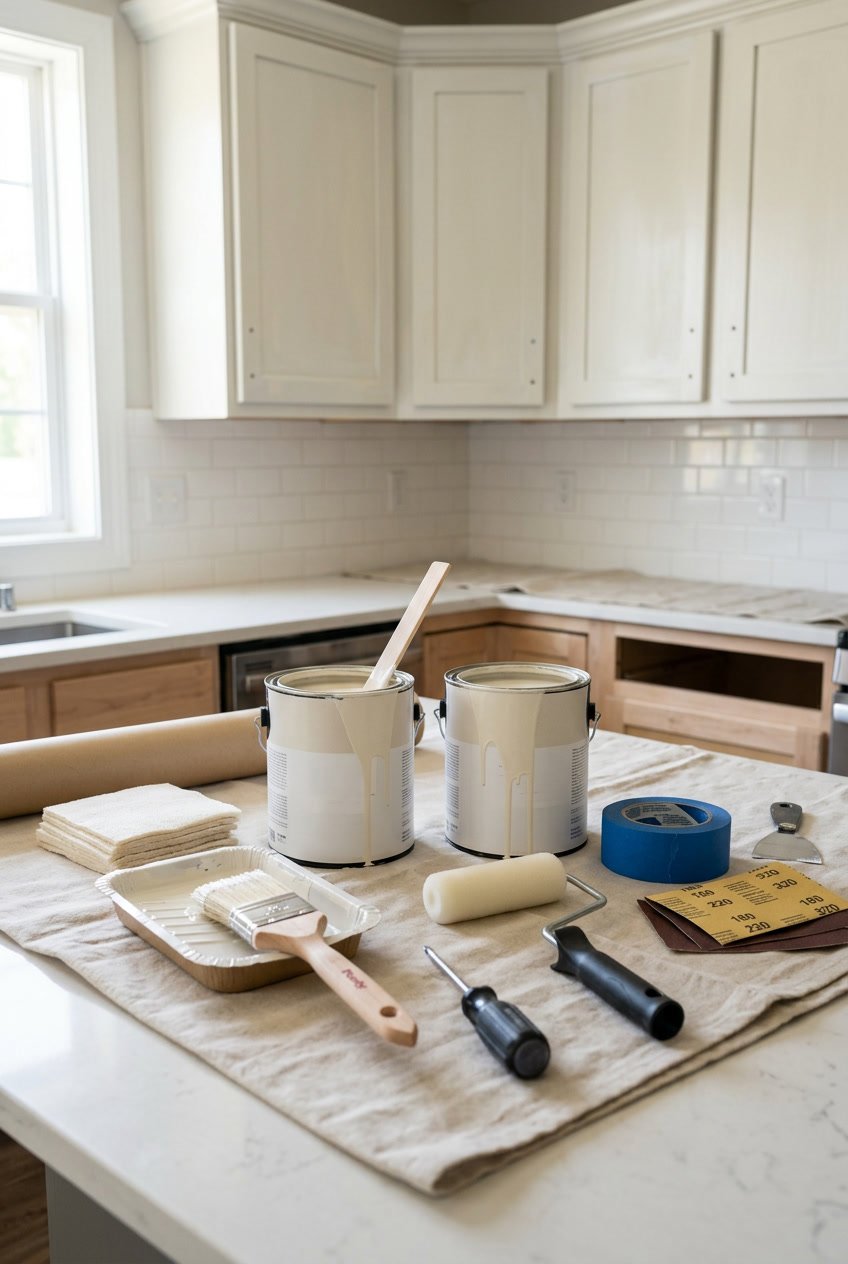
You’ll need the right paint and primer, good sanding and cleaning gear, and a tidy workspace with drop cloths and decent lighting. Pick products made for cabinets, grab quality brushes or a sprayer, and make sure you’ve got a clean, dust-free spot to work.
Choosing the Right Cabinet Paint and Primer
Pick paint made for cabinets or trim—it’ll resist wear and level out nicely. Waterborne alkyds (like Advance) give you a hard, furniture-like finish. Look for labels that say “cabinet” or “trim” and check the dry time.
If your cabinets have knots, stains, or old finishes, grab a stain-blocking primer. For slick or laminate surfaces, use an adhesion primer or shellac/oil-based primer so the paint actually sticks. If fumes bother you, waterborne alkyd is easier to live with than oil-based.
Test a small spot first. Prime, sand, and paint a sample door before you commit to the whole kitchen.
Recommended Supplies and Equipment
Here’s what you’ll want: cabinet paint or trim paint, stain-blocking primer, adhesion or oil-based primer for tricky surfaces, and a tough top coat like polyurethane or conversion varnish.
Tools: a good brush for trim, a foam roller for flat spots, and a sprayer if you want that ultra-smooth look. Sandpaper in 120–220–400 grits, a little random-orbit sander, tack cloths, and a vacuum with a brush attachment for the dust.
Don’t forget: TSP or degreaser, liquid deglosser, painter’s pyramids or risers, stir sticks, paint pour spout, drop cloths, painter’s tape, masks (N95 for sanding, respirator for oil-based stuff), and gloves. Label your hardware and stash screws in bags.
Preparing Your Workspace for Painting
Pick a spot with good airflow and a steady temp—somewhere between 65–75°F is nice. Set up folding tables or buckets to get doors off the ground, and use painter’s pyramids to keep them from sticking.
Cover floors and counters with rosin paper or plastic drop cloths. Tape off edges. Vacuum, wipe everything down with TSP or degreaser, then finish with a 50/50 denatured alcohol-and-water wipe or liquid deglosser to kill any leftover grease.
Make sure you can actually see what you’re doing—aim some lights at your work. A small fan helps with fumes, but don’t point it at wet paint unless you want dust stuck everywhere. Stay organized: label doors, bag hardware, and line up your paint and primer in the order you’ll use them.
Step-by-Step Guide: Painting Kitchen Cabinets
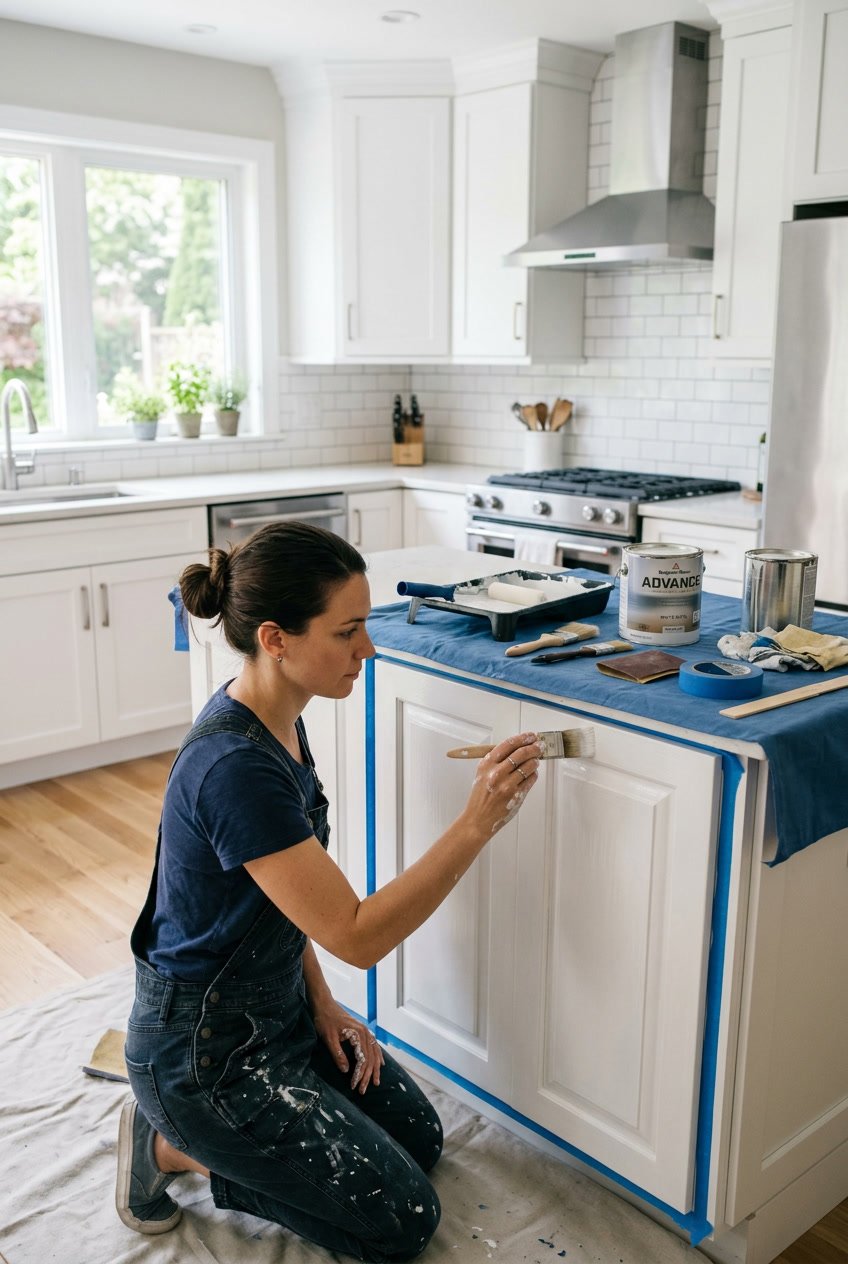
Here’s how to get it done: remove doors, clean and prep, prime for good adhesion, then paint and topcoat. You’ll want to follow these steps for a finish that actually lasts.
Removing Cabinet Doors and Hardware
Start by labeling every door and drawer—numbers or tape work well—so you can put everything back in the right spot. Use a screwdriver or drill to take off hinges, knobs, and pulls.
Bag all the screws and tiny parts so you don’t lose them. Lay doors flat on sawhorses or a covered bench. Remove hinges from both doors and frames if you’re painting the frames too. Snap a few photos of hinge placement if you’re worried about reassembly.
If you’re keeping the hardware, store it somewhere safe. For a super-glossy finish, you might want to take off any decorative trim and paint it separately.
Cleaning and Prepping Surfaces
Scrub every surface with a degreaser like TSP or a heavy-duty kitchen cleaner. Grease will totally mess with paint adhesion, so don’t cut corners here.
Sand everything lightly with 120–150 grit to scuff up glossy finishes and knock off loose paint. For raw wood, start with 120, then finish with 180–220 for smoothness. Vacuum and wipe with a tack cloth to get rid of dust.
Fill dents and old screw holes with wood filler. Let it dry, sand it flush, then mask countertops, appliances, and walls with tape and plastic to protect against drips.
Priming for Best Adhesion
Pick an adhesion primer that matches your paint—water-based bonding primer for latex, or shellac/oil-based for tough stains and shiny surfaces. Primer helps paint stick and blocks stains.
Brush primer into corners, roll it onto panels, or spray if you’re set up for that. Keep coats thin and even. Let it dry, then sand lightly with 220–280 grit for a smooth base.
If you see bare spots or repairs, hit them with a second coat. Wipe off dust before you move on.
Applying Paint and Top Coat
Use a cabinet-specific paint for durability—acrylic enamel or latex for easy cleanup, alkyd for a harder finish. Pick your sheen: semi-gloss is sturdy, high-gloss is bold but shows more flaws.
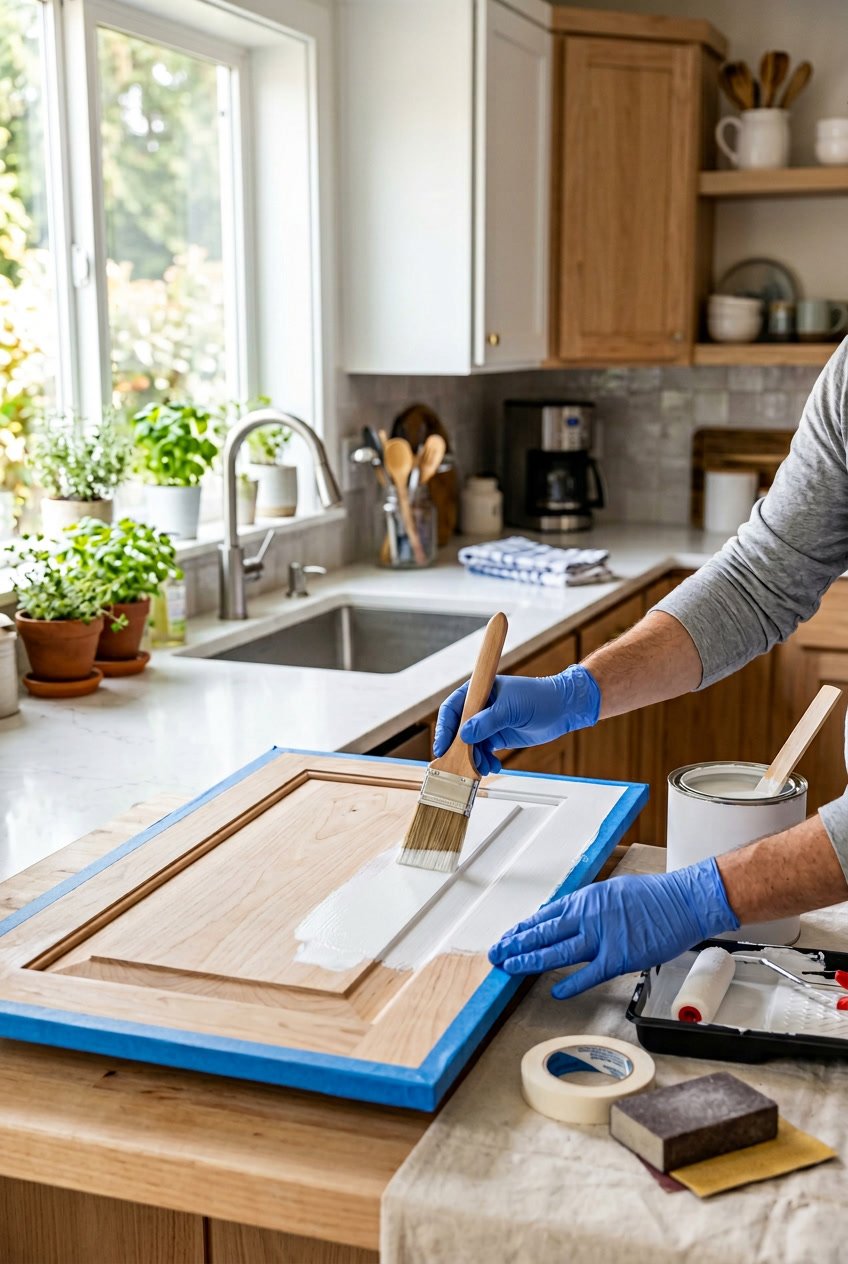
Paint in thin, even coats. Use an angled brush for edges, a high-density foam roller for panels, and sand lightly with 320–400 grit between coats. Remove dust each time. Two or three coats usually does it.
Top it off with a protective coat: water-based polyurethane for latex paint, or conversion varnish for a pro-grade finish. Apply thin coats and let each one dry. Don’t rush to rehang doors—let the paint cure or you’ll risk scratches.
Creative Kitchen Cabinet Painting Ideas
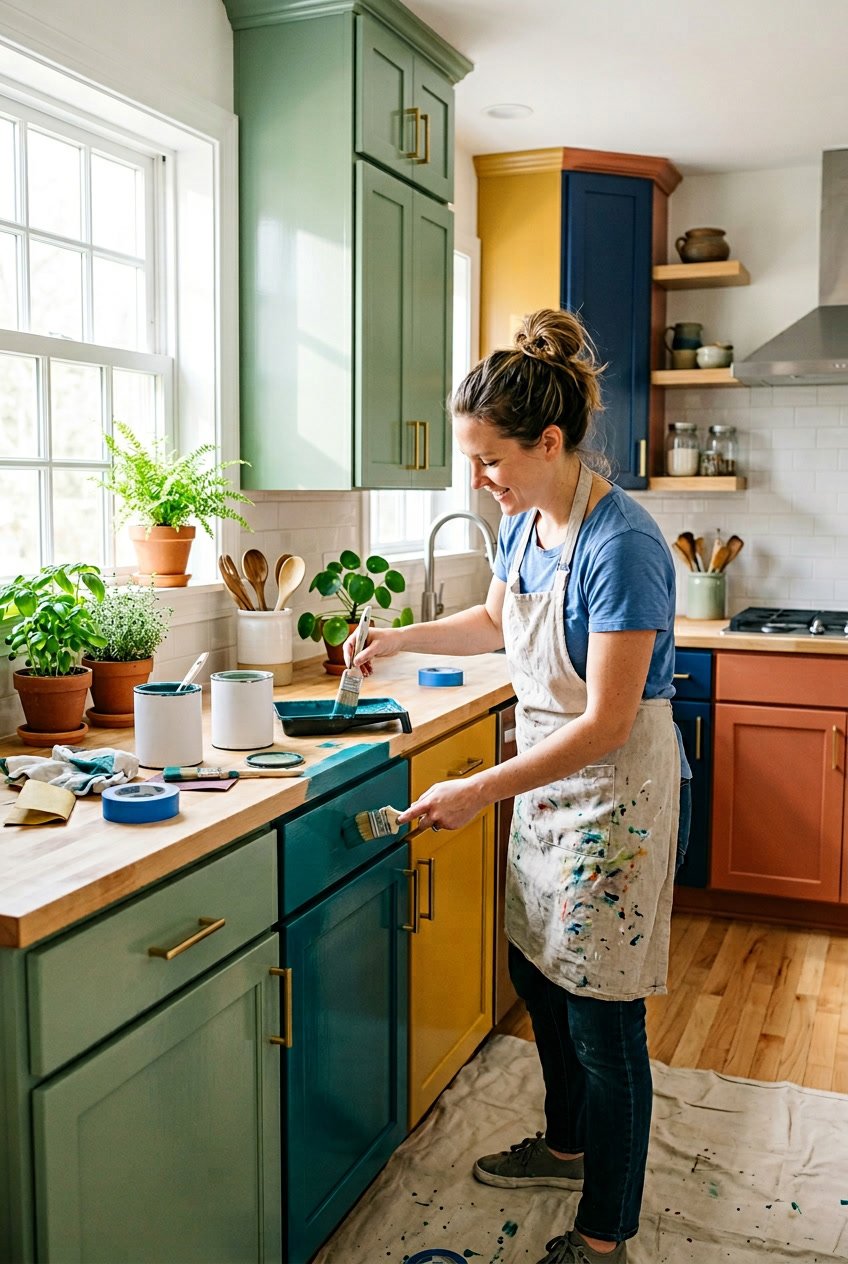
Pick a color that actually changes the feel of your kitchen. Think about how it’ll look with your counters, hardware, and lighting—then pick a finish that stands up to cooking and cleaning.
Timeless White and Creamy Off-White Cabinets
White and off-white work in just about any kitchen. Stark white looks crisp and modern; creamy white warms things up, especially with wood floors or brass hardware. They don’t hide dust as well as darker colors, so you’ll wipe them down more often.
Semi-gloss or satin finishes make cleaning easier. If your cabinets are beat up, sand and prime well so the white covers evenly. Pair white uppers with a colored island for contrast without going wild.
Hardware matters: chrome or nickel keeps it sharp, brass or bronze softens the look. For a custom vibe, try beadboard interiors or glass inserts.
Elegant Gray and Taupe Looks
Gray and taupe give you a neutral base with a bit of personality. Dove gray feels soft and traditional, while pearl gray is lighter and more modern. Medium gray adds an edge and hides grime better than white.
Greige bridges warm and cool tones—great if you have wood counters or mixed metals. Taupe brings earthy warmth, perfect for farmhouse or transitional kitchens. Satin finishes keep the vibe understated.
Thinking two-tone? Paint lowers medium gray and uppers a lighter shade to ground the space. Match hardware to the undertone—warm for greige and taupe, cool for pearl and medium gray.
Moody Blues: Navy, Dusty Blue, and Coastal Blue
Blues add depth and drama but won’t make the kitchen feel heavy if you use them right. Navy looks sharp on lower cabinets or islands, especially with pale marble or white counters.
Dusty blue brings a vintage touch and pairs nicely with brass. Powder or coastal blue works for beachy or cottage kitchens—coastal blue looks great on all the cabinets if you’re feeling bold.
Balance deep blues with light walls and reflective counters so things don’t get too dark. Matte or satin finishes add depth. Two coats plus a topcoat help prevent chips, especially on high-touch spots.
Nature-Inspired Greens: Sage, Forest, and Deep Teal
Green tones bring a calm, organic feel to the kitchen. Sage or muted green feels fresh and pairs well with wood and rattan. Forest green adds richness and works beautifully with stone or butcher block counters.
Deep teal brings a jewel-like vibe—modern, bold, and not for the timid. Try deep teal on an island or lower cabinets if you want color without going all-in. Forest green and deep teal both look great with brass or aged bronze hardware.
For the best results, use cabinet paint and a tough top coat. Test swatches near natural light—greens shift a lot through the day. Match your backsplash and flooring to the green’s warmth so the whole palette hangs together.
Trendy Color Combinations and Bold Designs
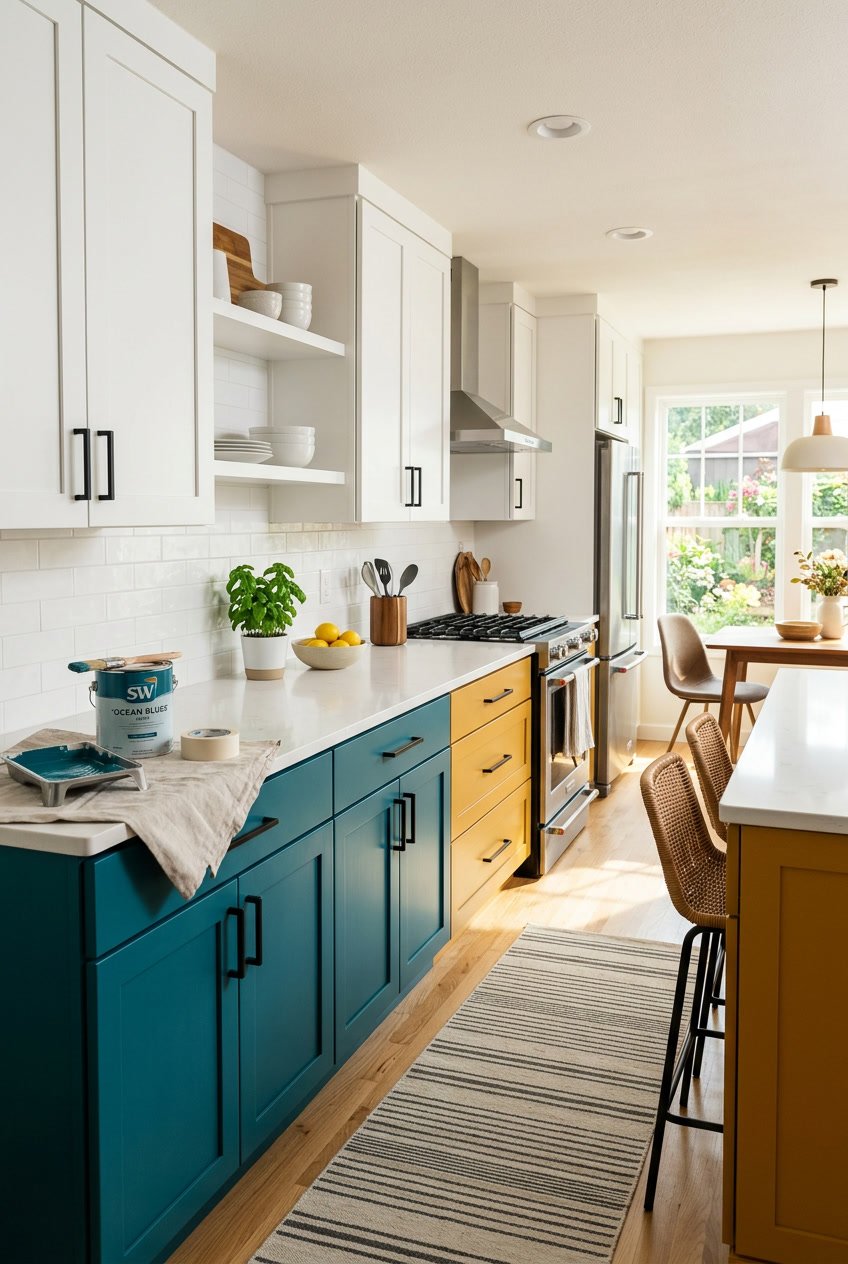
Let’s check out some ideas using two colors, open shelving, and bold, high-contrast hues. I’ll throw in practical tips for where to put color, what finishes actually work, and how to pair hardware.
Two-Tone and Painted Open Cabinetry
Two-tone cabinets look great if you separate the island from the rest. Try painting the island a deep navy or forest green, then use something like pearl gray or creamy white on the uppers.
That way, the island pops as a focal point. For open cabinets, match the shelf color to nearby closed cabinets for a pulled-together look.
Use durable, moisture-resistant paint and seal all edges with a clear topcoat to keep water away. Want more visual depth? Paint the cabinet interiors a contrasting color or just keep them white to really show off your dishes.
Tip checklist:
- Island: darker, durable satin finish
- Perimeter uppers: lighter, semi-gloss (easier to clean)
- Open shelves: same color as cabinets or white
- Seal: water-based polyurethane for moisture protection
Black and White Contrasts
Black and white cabinets give you a crisp, modern vibe that’s honestly pretty easy to keep clean. Paint lower cabinets black or charcoal and keep uppers stark white to maximize light but still ground the room.
Go with semi-gloss white for easy wipe-downs. Satin or matte black on the lowers hides scuffs better.
Don’t forget hardware—matte black on white doors, brass or nickel on black ones, so the contrast feels intentional. If your kitchen’s on the small side, stick with light countertops and add a reflective backsplash to keep things feeling open.
Practical points:
- Uppers: high-reflective white
- Lowers/island: black or deep charcoal
- Hardware: switch it up by zone
- Lighting: add more over dark areas
Playful Colors: Candy Pink and Beyond
Candy pink lower cabinets? It’s a bold move, but it gives your kitchen a playful edge and doesn’t overwhelm the space. Keep uppers neutral and use a semi-gloss finish for durability.
Pair pink lowers with brass or matte black pulls for a bit more sophistication. Other playful picks: powder blue, dusty blue, or sage green for islands or lower units.
These shades really shine when you keep uppers neutral and go for natural wood or white countertops. For a finish that lasts, prep is everything—degrease, sand, prime with a stain-blocking primer, then apply two thin coats plus a clear topcoat.
Quick pairing ideas:
- Candy pink lowers + white uppers + brass pulls
- Powder/dusty blue island + white perimeter + wood accents
- Sage green base cabinets + matte black hardware
Finishing Touches and Maintenance
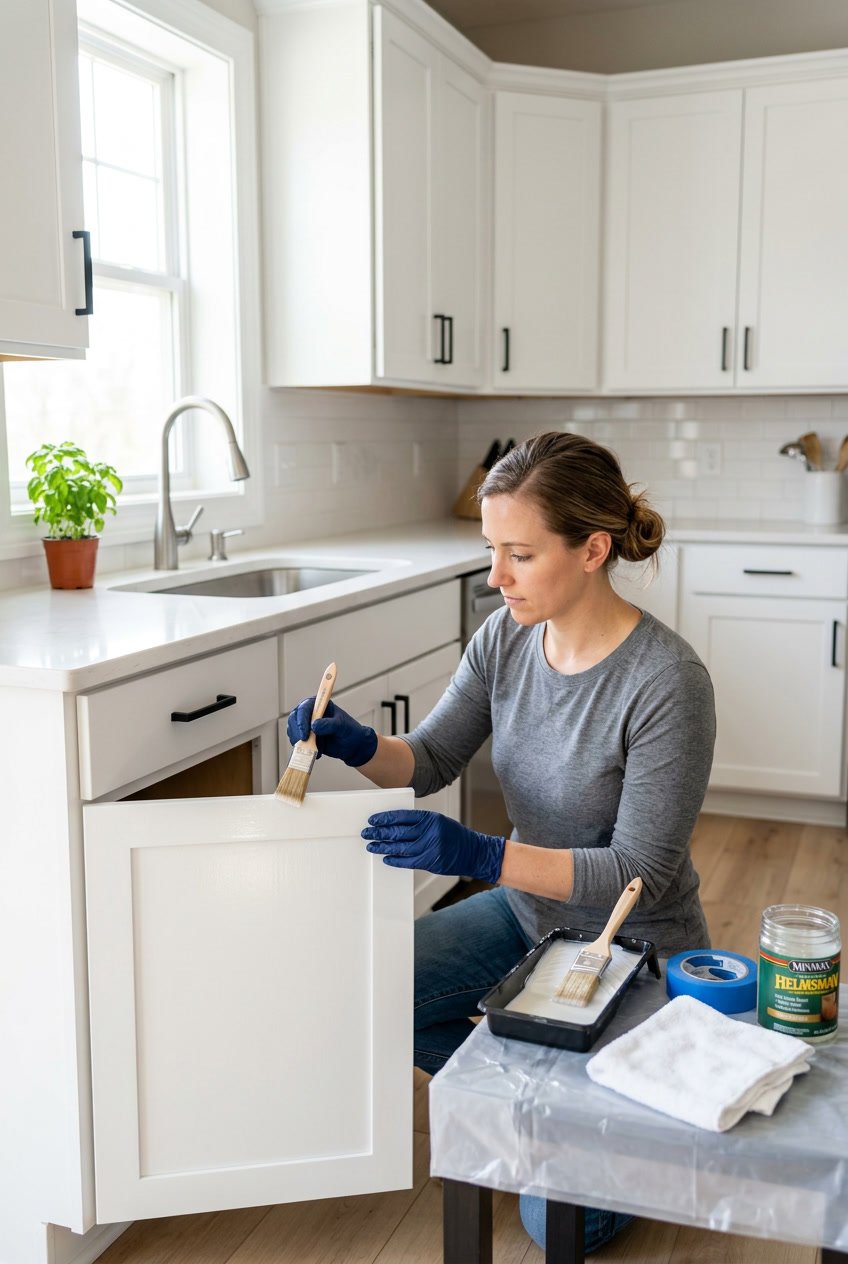
Let’s talk about the last steps that make cabinets look finished and keep them durable. Focus on hardware that fits your style, gentle cleaning, and a protective top coat.
Selecting Hardware for Painted Cabinets
Pick hardware that goes with your cabinet style and the paint finish. For a modern look, simple bar pulls in brushed nickel or matte black work well.
If you’re more into classic, try cup pulls or ornate knobs in oil-rubbed bronze or polished brass. Always match screw lengths to door thickness so handles sit flush.
Switching from knobs to pulls? Fill old holes with wood filler and sand smooth before repainting. Test placement with painter’s tape first to keep spacing consistent.
Soft-close hinges or full-extension drawer slides help protect painted edges from wear. Swapping out hardware is an easy way to refresh the design, so it’s worth picking durable finishes that resist fingerprints and corrosion.
Caring for and Cleaning Painted Surfaces
Use mild soap and water for regular cleaning. Just mix a few drops of dish soap with warm water, wipe with a soft microfiber cloth, and dry right away to avoid water spots.
Skip abrasive pads, strong solvents, or anything ammonia-based—they’ll dull or strip the paint. For greasy spots near the stove, use a degreaser made for painted surfaces, but always test it in a hidden spot first.
If you spot chips, sand the edge lightly, prime bare wood, and touch up with leftover paint. Keep a labeled container of extra paint handy for quick fixes. Gentle cleaning and prompt repairs are the secret to keeping cabinets looking fresh.
Protecting Your DIY Paint Job
Add a protective top coat to boost durability, especially on lower cabinets and spots that get a lot of use. Water-based polyurethane or a hybrid enamel clear coat both work and won’t yellow over time.
Apply thin, even coats with a foam brush or sprayer. Sand lightly with 220-grit between coats to knock down dust and help the next layer stick. Two or three coats usually do the trick—just follow the drying times.
Don’t scrub hard for the first couple weeks while the top coat cures. Felt pads on dish racks and inside drawers help prevent scratches. With the right top coat and a bit of care, your painted cabinets stay looking good for ages.
Frequently Asked Questions
Here’s where I’ll answer common questions about paint types, prep, smoothing, coats, color choices, and those classic DIY mistakes. Let’s make the whole process less intimidating.
What are the best types of paint to use on kitchen cabinets for a DIY project?
Go for a durable, furniture-grade paint. Water-based acrylic latex or a waterborne alkyd hybrid both hold up to daily wear and cleanings.
Pick a satin or semi-gloss sheen—they resist stains and wipe clean easily. Flat finishes show every mark, and high-gloss is only for those who really want a shiny look.
Paints labeled for cabinets or trim are your best bet. Those dry harder and level out better than regular wall paint.
How do I properly prepare my kitchen cabinets for painting?
Start by cleaning everything with a degreaser to get rid of oils and grime. Wipe down with a damp microfiber cloth, then let it dry completely.
Remove doors, drawers, hardware, and label each piece so you can put it all back right. Sand or scuff with 120–220 grit sandpaper to dull the finish.
Fill holes or dents with wood filler, then sand smooth. Use a high-quality primer that matches your paint type and let it dry before you start painting.
Can you recommend techniques for achieving a smooth painted finish on cabinets?
Use a foam roller for big, flat areas and a good angled brush for edges and details. Roll on thin, even coats to avoid drips and texture.
Sand lightly with fine grit (220–320) between coats to get rid of brush marks and bumps. Always wipe off dust before the next coat.
If you have access to a sprayer, give it a try—spraying gives the smoothest finish, but you’ll need to mask and ventilate well.
What is the recommended number of coats when painting kitchen cabinets?
Plan for one coat of primer and at least two coats of topcoat. Two thin topcoats cover better and last longer than one thick one.
If you’re switching from dark to light (or vice versa), add a third topcoat for full, even coverage. Sand lightly between coats for the smoothest finish.
How do I choose the right color scheme for my DIY painted kitchen cabinets?
Match cabinet color to fixed things like countertops, backsplash, and floor tone. Test paint samples right next to those surfaces and check in the actual kitchen light.
Think about natural light: south-facing windows warm up colors, north-facing light can make things look cooler. Neutrals like white or gray are safe for resale, but if you want a statement, go for navy, sage, or deep green.
What are the most common mistakes to avoid when painting kitchen cabinets yourself?
If you skip cleaning and sanding, the paint just won’t stick right. Flaking and peeling become almost inevitable.
Take your time with prep—it’s honestly the most important step, even if it feels tedious.
When you slap on thick coats or skip sanding between layers, you’ll probably end up with drips and a weird, bumpy finish. I’ve seen it happen more than once.
Try not to paint when it’s cold or super humid. Paint dries slower and can look pretty bad if you ignore the weather.