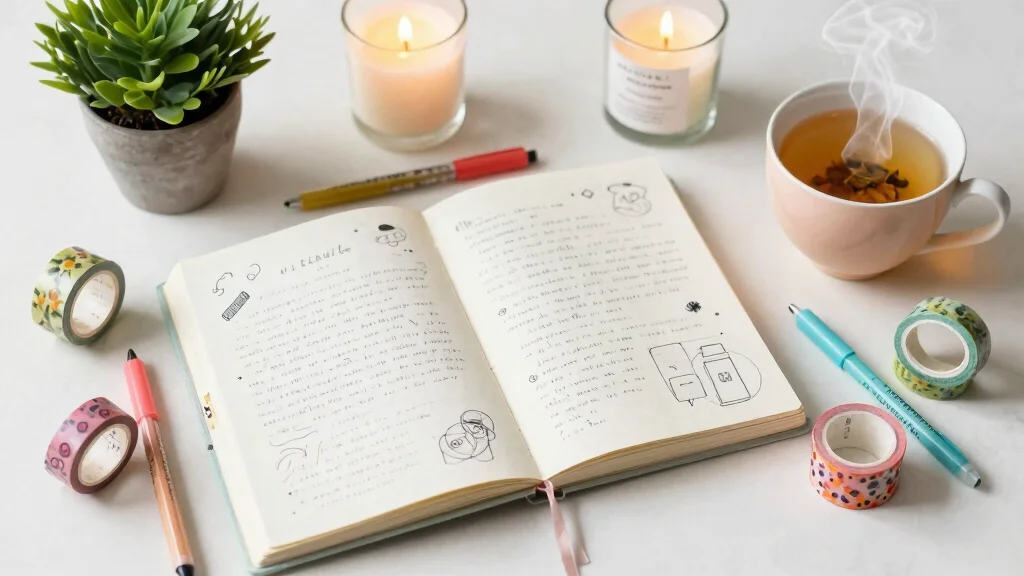
Creating a letter journal can feel like a breath of fresh air. In a world where emotions often swirl around, many of us crave a safe space to express ourselves. This post is inspired by the desire to connect with your feelings and thoughts in a creative way. Keeping a letter journal isn’t just about putting pen to paper; it’s about opening a door to deeper emotional wellness. By sharing these unique letter journal ideas, I hope to ignite your passion for emotional expression and self-reflection.
If you’re someone who values personal growth, enjoys DIY projects, or simply seeks a fresh outlet for your feelings, this guide is for you. Whether you’re looking to explore your emotions or find a new creative hobby, letter journaling can be incredibly rewarding. I’ve compiled nine engaging ideas that blend creativity with emotional expression, ideal for anyone seeking to understand themselves better while crafting something beautiful.
What will you gain from this journey? You’ll discover practical DIY journal prompts that encourage personal reflection and emotional exploration. Each idea will inspire you to create pages that are not only meaningful but also visually appealing. So grab your favorite journal and some art supplies, and let’s dive into these nine letter journal ideas that promise to enrich your emotional well-being.
Key Takeaways
– Letter to Your Future Self: Write a letter to your future self to set intentions and reflect on your current dreams. This exercise helps you visualize your goals and keeps you aligned with your aspirations.
– Love Letters to Yourself: Create a list of things you love about yourself. This practice fosters self-compassion and builds a positive relationship with yourself.
– Letters to Your Emotions: Write letters addressing different feelings like joy, sadness, or anxiety. This form of emotional expression helps you understand and process your feelings more deeply.
– Gratitude Letters: Craft letters to people or things you are grateful for. This simple act can boost your mood and enhance your perspective on life.
– Letters of Letting Go: Write letters that express what you want to release from your life. This can be a powerful way to move forward and make space for new experiences.
1. Letters to Your Future Self
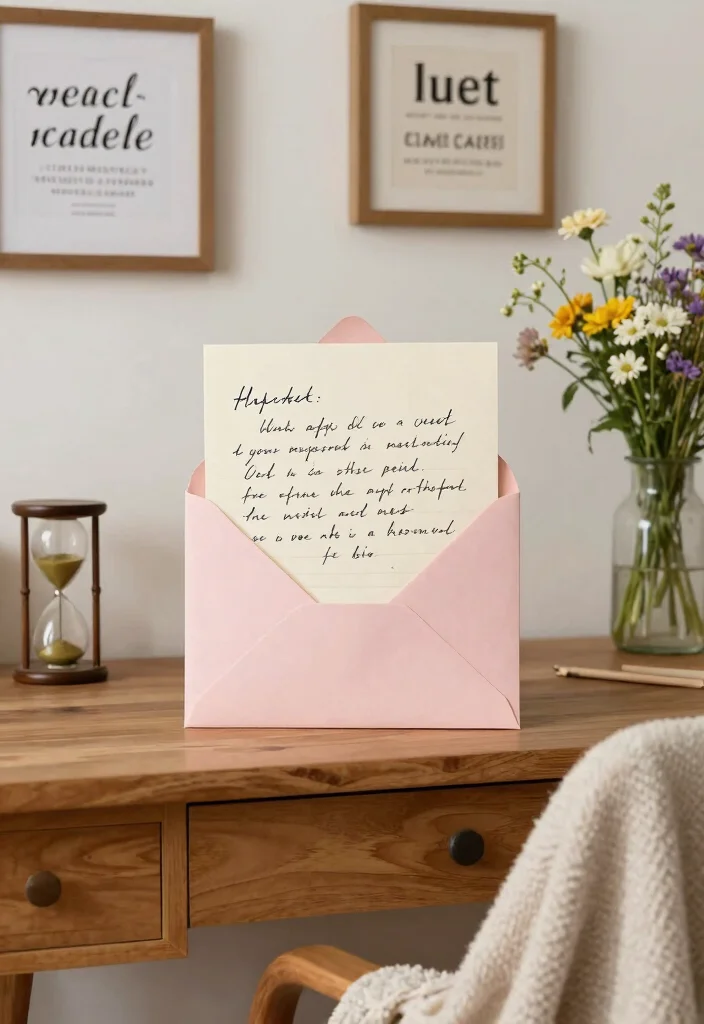
Have you ever thought about what your future self would say to you? Writing letters to your future self can be an inspiring way to set goals and visualize your aspirations. By putting pen to paper, you can capture your dreams and intentions, creating a personal roadmap for the year ahead. This exercise not only helps clarify your desires but also motivates you to take action toward achieving them.
Begin by writing a letter dated one year from today, detailing your hopes and accomplishments. Share what you’ve achieved and the areas you wish to improve. Seal it in an envelope and plan to open it on the anniversary of your writing.
Key ideas for your letter:
– Be clear about your dreams and aspirations.
– Write as if you’ve already achieved them.
– Seal and revisit it annually.
This practice encourages self-reflection and creates a meaningful connection with your future journey.


Last update on 2026-02-28 / Affiliate links / Images from Amazon Product Advertising API
2. Love Letters to Yourself

How often do you take the time to appreciate yourself? Writing love letters to yourself is a beautiful way to cultivate self-kindness and compassion. In these letters, celebrate your unique qualities and achievements while recognizing the little things that make you, you. This simple yet impactful practice can boost your self-esteem and serve as a source of comfort during tough times.
Start by reflecting on your best traits and the moments you’re proud of. Use warm, affectionate language as you pour your heart onto the page. Keep these letters handy for days when you need an uplifting reminder of your worth.
Tips to create your love letters:
– Write in a warm, caring tone.
– Highlight specific qualities you admire in yourself.
– Revisit these letters for a self-esteem boost.
This heartfelt exercise fosters emotional growth and strengthens your relationship with yourself.
Love letters to yourself are daily self-care you can read later. Start by listing three qualities you admire, then thank yourself for one small win today.



Last update on 2026-02-28 / Affiliate links / Images from Amazon Product Advertising API
How To Choose the Right Letter Journal Ideas
Choosing the right letter journal ideas can transform your emotional wellness journey. Here are some key criteria to help you select the best ideas for your DIY journaling project:
1. Emotional Resonance
Start by reflecting on what emotions you want to explore. Different themes resonate with different parts of you. For example, if you feel a lot of self-doubt, “Love Letters to Yourself” may be a great choice. If you’re struggling with grief, “Letters of Letting Go” could be more fitting. Choose ideas that speak to your current emotional state to maximize your journaling experience.
2. Purpose of the Journal
Consider the purpose behind your journal. Are you looking for personal reflection, creative expression, or emotional release? This will guide your choice. If you want to express gratitude, opt for “Gratitude Letters.” If you want to explore your inner child, go for “Letters to Your Inner Child.” Clarifying your purpose helps narrow down the options.
3. Frequency of Writing
Think about how often you want to write. Some ideas may require more time and emotional energy than others. If you’re short on time, “Letters to Your Emotions” can serve as quick check-ins. However, “Reflective Letters on Life Events” might take longer but provide deeper insights. Selecting ideas based on your writing frequency keeps your practice enjoyable and sustainable.
4. Available Materials
Consider what materials you have on hand. Do you prefer a digital format or a traditional notebook? If you’re more comfortable with physical writing, gather colored pens, stickers, or decorative paper for a fulfilling creative experience. If you prefer digital journaling, consider apps or websites that allow for personalization. Your choice of materials can enhance your journaling practice.
5. Level of Commitment
Assess how committed you are to this journaling journey. Some ideas can be done in one sitting, while others, like “Collaborative Letter Writing,” may require more time and effort. Decide what fits your lifestyle. If you want a simple start, “Letters of Affirmation” may be a good entry point, while deeper themes can be explored as you become more comfortable.
6. Interest in Collaboration
Finally, think about whether you’re interested in sharing your journey with others. If you enjoy collaborative experiences, try “Collaborative Letter Writing.” This can build community and deepen connections. If you prefer solitude, stick with personal letters. Understanding your preference for collaboration can help you choose ideas that make you feel most comfortable.
Pro Tip: Don’t hesitate to mix and match different letter journal ideas. For instance, you can combine “Love Letters to Yourself” with “Gratitude Letters” for a powerful emotional boost. Flexibility can lead to more enjoyable and meaningful journaling experiences!


Last update on 2026-02-28 / Affiliate links / Images from Amazon Product Advertising API
3. Letters to Your Emotions
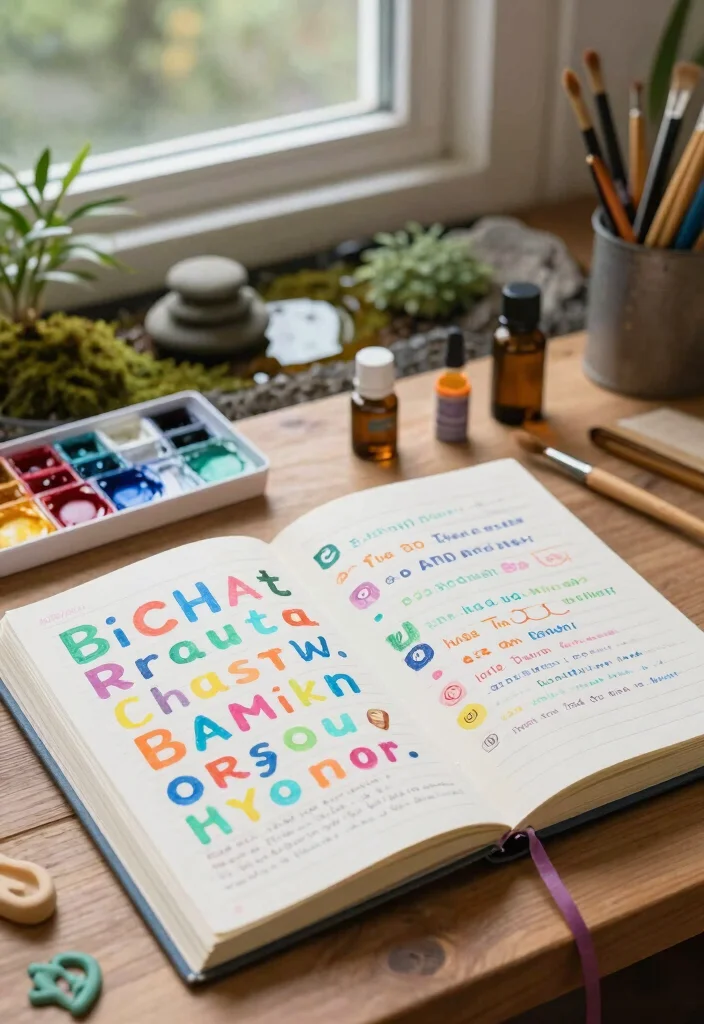
Understanding your emotions is key to emotional wellness. Writing letters to your feelings can help you confront and process what you’re experiencing. Choose an emotion—like joy, sadness, or anger—and address it in a letter. This practice allows you to ask important questions about your feelings, providing clarity and insight into your emotional landscape.
As you write, be honest about your feelings and let the words flow freely. You might even use different colored pens to represent various emotions, adding a visual element to your exploration.
Important elements for this exercise:
– Write authentically without self-judgment.
– Allow your emotions to guide your writing.
– Use colors to differentiate emotions visually.
This technique promotes emotional understanding and helps you navigate your feelings more effectively.


Last update on 2026-02-28 / Affiliate links / Images from Amazon Product Advertising API
4. Gratitude Letters
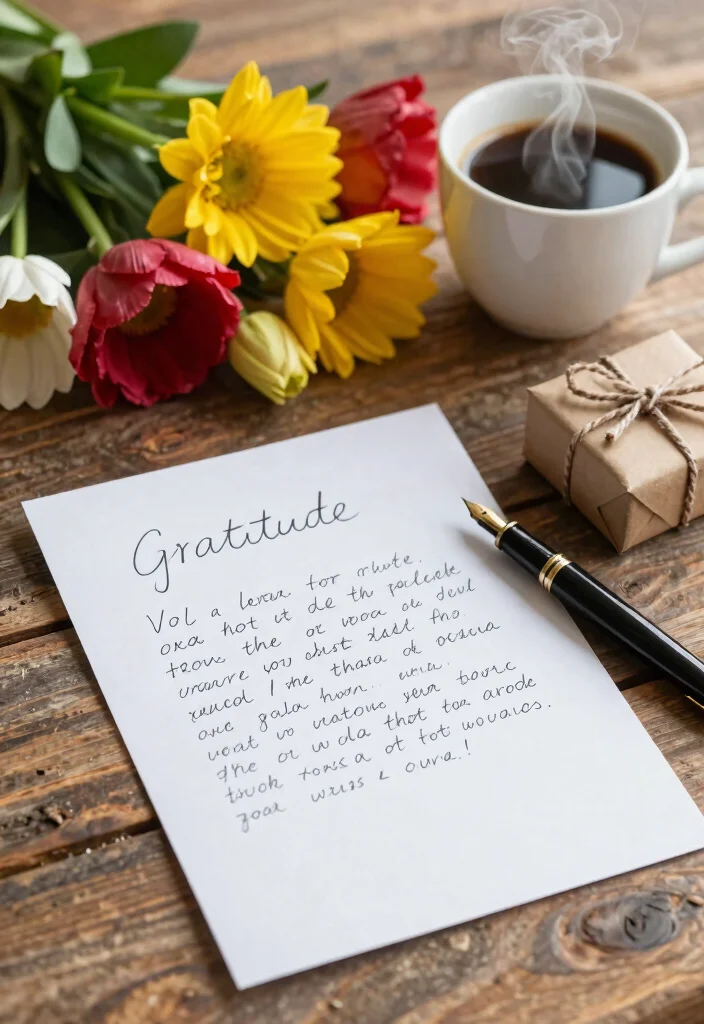
Gratitude can change your perspective on life. Writing gratitude letters helps you acknowledge the positive aspects and people in your life. Choose someone who has made a difference and express your appreciation through a heartfelt letter. Describe specific moments and how they’ve impacted you, reinforcing your bond with that person.
This practice not only strengthens relationships but also heightens your overall happiness and emotional well-being. Consider establishing a routine where you write gratitude letters regularly.
Tips for writing gratitude letters:
– Be detailed about your experiences with that person.
– Decide whether to send the letter or keep it for yourself.
– Make writing gratitude letters a regular habit.
This simple act can create a ripple effect of positivity in your life and those around you.


Last update on 2026-02-28 / Affiliate links / Images from Amazon Product Advertising API
5. Letters of Letting Go

Carrying the weight of past hurts can hold you back. Writing letters to let go of negative experiences can be a liberating practice. In your letter, express your feelings about what you need to release—whether it’s a painful memory or a toxic relationship. Once you’ve written it all out, consider a symbolic act like burning the letter to signify your release.
Writing freely without holding back is essential for this exercise. Acknowledge the pain but focus on your desire to move forward, creating a ritual that honors your release process.
Tips for your letting go letters:
– Write openly and honestly, without filters.
– Acknowledge the hurt but focus on healing.
– Create a meaningful ritual to release the letter.
This practice can lighten your emotional load and empower you to embrace fresh starts.


Last update on 2026-02-28 / Affiliate links / Images from Amazon Product Advertising API
6. Letters of Affirmation
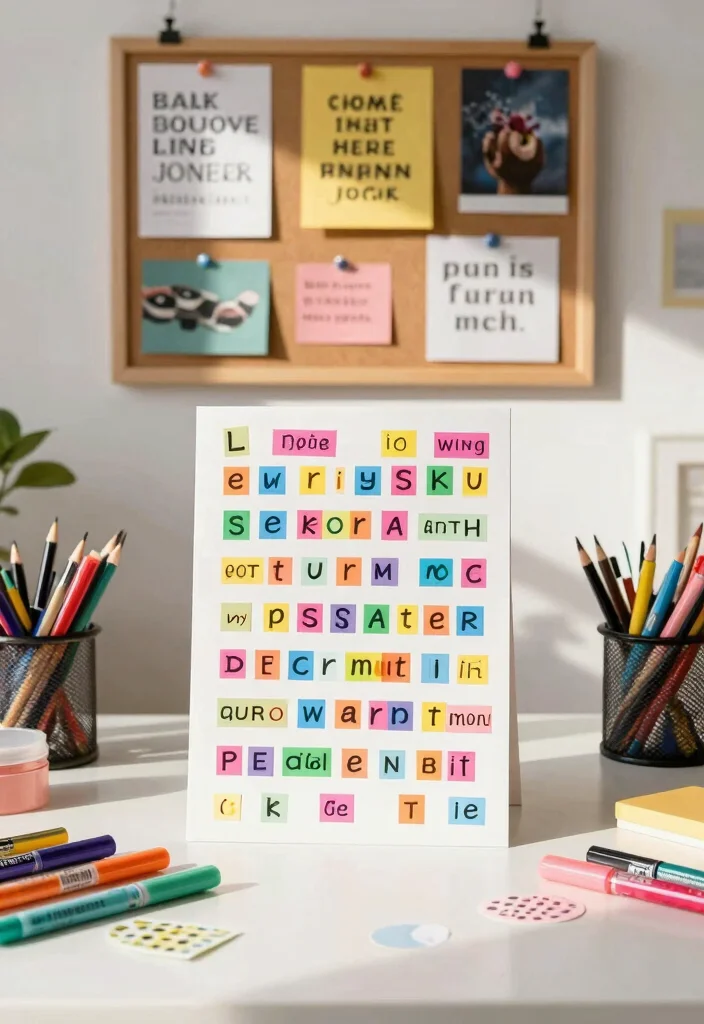
Affirmations can reshape your self-image and mindset. Crafting letters that incorporate affirmations enables you to reinforce positive beliefs about yourself. Begin with a few key affirmations and expand on them in letter form. Instead of just stating, ‘I am enough,’ explain why you believe that, making your affirmations more personal and relatable.
To enhance this practice, consider writing affirmations daily or weekly. Decorate your letters with inspiring quotes or visuals to uplift your spirit. Reading your letters aloud can also help internalize the affirmations.
Suggestions for crafting affirmation letters:
– Write affirmations consistently, daily or weekly.
– Add visuals or quotes to inspire you.
– Read your letters aloud to reinforce positivity.
This practice fosters emotional resilience and encourages a loving view of yourself.


Last update on 2026-02-28 / Affiliate links / Images from Amazon Product Advertising API
7. Letters to Your Inner Child
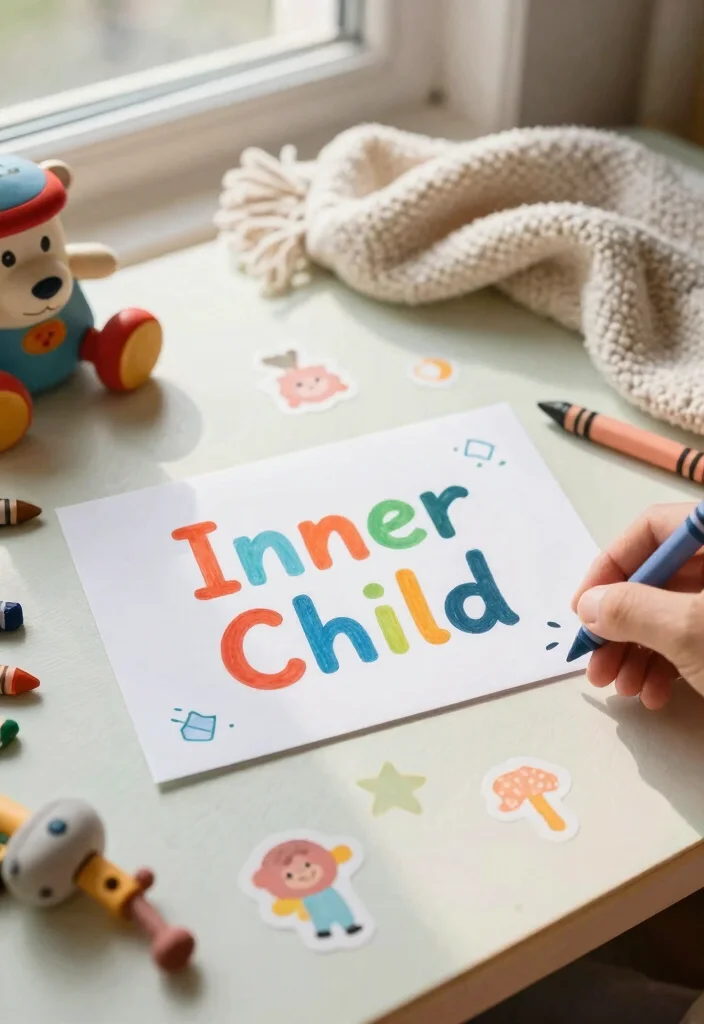
Connecting with your inner child can be a source of healing and joy. Writing letters to this part of yourself helps acknowledge past experiences and provide comfort. Reflect on your childhood, recalling both joyful and challenging moments, and express love and understanding in your letter.
Use a playful tone that echoes your childhood spirit and validate the feelings of your younger self. Share how much you’ve grown since then, creating a bridge between your past and present.
Points to consider for this practice:
– Use a playful, child-like tone.
– Validate your inner child’s feelings and experiences.
– Share your growth journey since childhood.
This heartfelt practice promotes emotional healing and nurtures self-acceptance.
Letter journal ideas help your inner child feel seen—write a note with love about what you needed then and what you need now. Your present self can reassure, validate, and heal in just a few honest lines, turning past moments into compassionate growth.



Last update on 2026-02-28 / Affiliate links / Images from Amazon Product Advertising API
8. Reflective Letters on Life Events

Life is a tapestry of events that shape who you are. Writing reflective letters about significant experiences can yield valuable insights and foster emotional growth. Choose an important event—such as a graduation or breakup—and write a letter reflecting on it. Explore what you learned and how it changed you.
Be honest about your feelings during that time and highlight any positive outcomes or lessons that emerged. You can also include new goals inspired by the experience, helping you move forward with clarity.
Suggestions for your reflective letters:
– Be candid about your emotions during the event.
– Note any positive lessons or outcomes.
– Include new goals inspired by your reflections.
This practice encourages personal reflection and helps you embrace your path with purpose.


Last update on 2026-02-28 / Affiliate links / Images from Amazon Product Advertising API
9. Collaborative Letter Writing

Sharing your journaling experience can deepen your connections with loved ones. Collaborative letter writing involves creating letters together, allowing for fun and enriching interactions. Choose a theme or topic to explore and pass the letter back and forth, adding your thoughts and reflections to it.
This collaborative approach not only strengthens bonds but also encourages shared emotional exploration. You might set a timeline for exchanges to keep the momentum going.
Ideas for collaborative writing:
– Establish a timeline for letter exchanges.
– Use prompts to inspire your writing.
– Personalize the letters with decorations.
This practice enhances emotional wellness and creates a shared space for feelings and thoughts.
Fun fact: People who exchange collaborative letters weekly as part of letter journal ideas report a 35–40% rise in felt closeness within a month. Turn writing into a shared project, and you turn talk into listening—and listening into deeper empathy and connection.


Last update on 2026-02-28 / Affiliate links / Images from Amazon Product Advertising API
Conclusion

Engaging with your emotions through letter journaling can be a transformative experience. Each idea presented invites you to connect with yourself, embrace your feelings, and express your thoughts creatively.
Don’t hesitate to personalize these prompts and make them your own! Dive into this journey of emotional expression and let your letter journal become a cherished companion in your quest for wellness.
Frequently Asked Questions
What are some 9 Letter Journal Ideas for Emotional and Personal DIY Pages?
Here are nine practical 9 Letter Journal Ideas to spark emotional expression and personal reflection through DIY journal prompts and creative journaling techniques. These ideas stay simple and affordable, perfect for beginners and seasoned crafters alike and align with letter journal ideas.
Idea 1: One emotion, one page — pick a single emotion each day and write a letter about how it arrived, what it means, and what you need.
Idea 2: Letter to your future self — draft a note dated a future moment to check in on growth and hopes.
Idea 3: Dear me prompts — ask questions like “What would you tell your younger self?” and answer honestly in letter form.
Idea 4: Mood color wheel — create color swatches on a page to represent their moods and attach short notes about why that color fits.
Idea 5: Gratitude pockets — tuck tiny gratitude notes or mini letters into small envelopes glued to the page.
Idea 6: Memory collage letters — pair handwritten captions with photos or cutouts to anchor memory in a letter.
Idea 7: Daily one-line reflection — write a single meaningful line per day and decorate it with simple doodles.
Idea 8: Growth timeline in letters — craft a timeline where each milestone is described in a short letter to yourself.
Idea 9: Self-care mini‑zine — fold a small zine with prompts and quick self‑care ideas to flip through during tough days.
How can DIY journal prompts boost creative journaling and emotional expression in a letter journal ideas project?
Using focused prompts makes journaling feel less daunting and helps you open up with intention. Start with open-ended prompts that invite story, feeling, and meaning, not just facts. Try prompts like: describe a moment you felt seen, write a letter to a feeling you’re processing, or assign a color to an emotion and explain why.
To get the most from DIY journal prompts, set a timer for 15–20 minutes, stick to a single prompt per session, and finish with a quick closing line to seal the letter so you return to it with personal reflection in mind.
What craft project ideas pair well with personal reflection pages?
Pair journaling with simple, tactile craft projects that don’t overwhelm your page. Try a bordered letter with washi tape to frame thoughts, a stitched border along the margins, or small envelope pockets to hide mini prompts. Add a handmade bookmark or ribbon to mark your favorite entries, or create a tiny pocket‑sized zine attached to the page for quick prompts. These craft project ideas keep the focus on emotional expression and creative journaling while boosting your letter journal ideas appeal.
What are practical steps to start a simple 5-step routine using letter journal ideas?
A little routine goes a long way. Step 1: Gather a small kit (journal, pens, scissors, ruler, and washi tape). Step 2: Set a consistent 15‑minute time slot a few days a week. Step 3: Choose one DIY journal prompt and commit to answering in letter form. Step 4: Create a simple layout (date, prompt, response, small doodle or color). Step 5: Review entries weekly to notice patterns in emotional expression and personal reflection. Small, repeatable steps make letter journal ideas sustainable.
How can I customize prompts for different emotions without overwhelming my pages?
Keep prompts concise and specific, and use a rotating prompt kit to cover a range of feelings. Build a feelings wheel and pick prompts that map to a quadrant (joy, sorrow, anger, calm). Create a simple template for each page (prompt, space to write, optional doodle). Allow quick doodles or color swatches if writing feels heavy, so you still engage in emotional expression and creative journaling without burnout. Schedule rest days if needed and keep the focus on steady progress with letter journal ideas that support personal reflection.
Related Topics
letter journal ideas
emotional wellness
creative journaling
DIY journal prompts
personal reflection
mindfulness crafts
beginner friendly
self-care projects
easy DIY
art therapy
emotional expression
craft project ideas