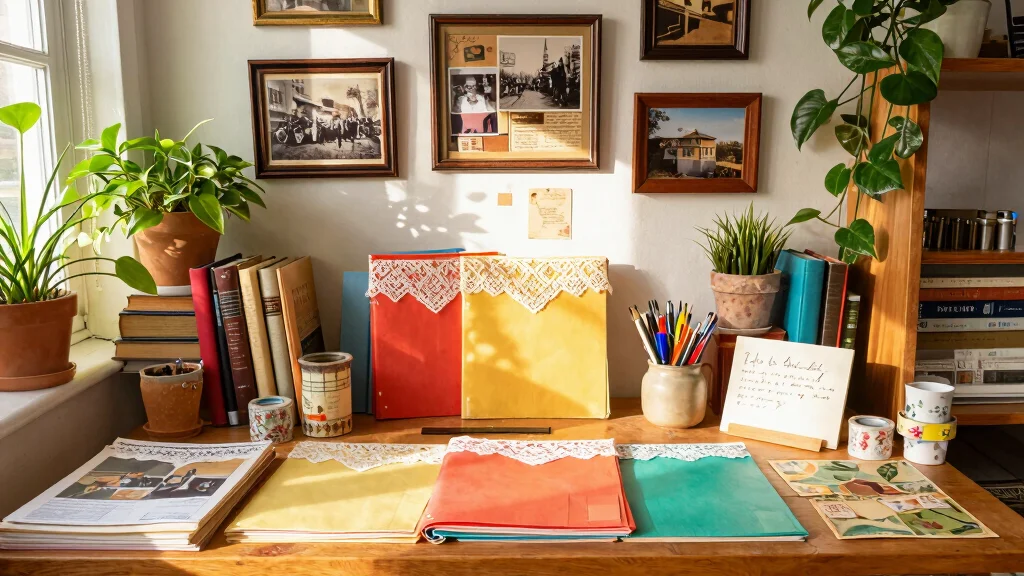
The world of DIY & crafts is bursting with creativity, and today, I’m diving into something particularly special: history file decoration ideas. As we organize our papers, notes, and keepsakes, there’s often a yearning for a touch of nostalgia and personalization. This post was inspired by my own desire to elevate mundane file organization into something that tells a story. Why settle for bland when you can create a beautiful, vintage-inspired arrangement that resonates with your love for history?
If you’re someone who enjoys scrapbooking, crafting, or simply appreciates the charm of vintage aesthetics, you’re in the right place. This guide is designed for all lovers of DIY office decor and historical craft projects. Whether you’re a seasoned scrapbooker or just starting your journey into creative file organization, you’ll find plenty of inspiration here. I’ve compiled ten neat and eye-catching decoration ideas that will not only beautify your workspace but also make organizing files feel like a creative adventure.
By the end of this post, you’ll have a treasure trove of scrapbooking ideas that mix history with creativity. You’ll learn how to create stunning file folders, page dividers, and more, all while adding a personal touch. Let’s get started on transforming your file organization into a delightful reflection of your style and interests.
Key Takeaways
– Explore the charm of vintage ephemera collages to add character to your files, using old postcards, receipts, and other memorabilia.
– Handwritten labels and tags can create a personal touch, making it easier to identify and enjoy your organized documents.
– Consider using antique book covers as file folders for a unique and stylish way to protect your papers while showcasing your love for literature.
– Incorporate old maps as backgrounds for your files, giving them a historical flair that also inspires wanderlust.
– Create seasonal file decor to keep your workspace fresh and engaging, transforming organization into a fun, year-round project.
1. Vintage Ephemera Collage
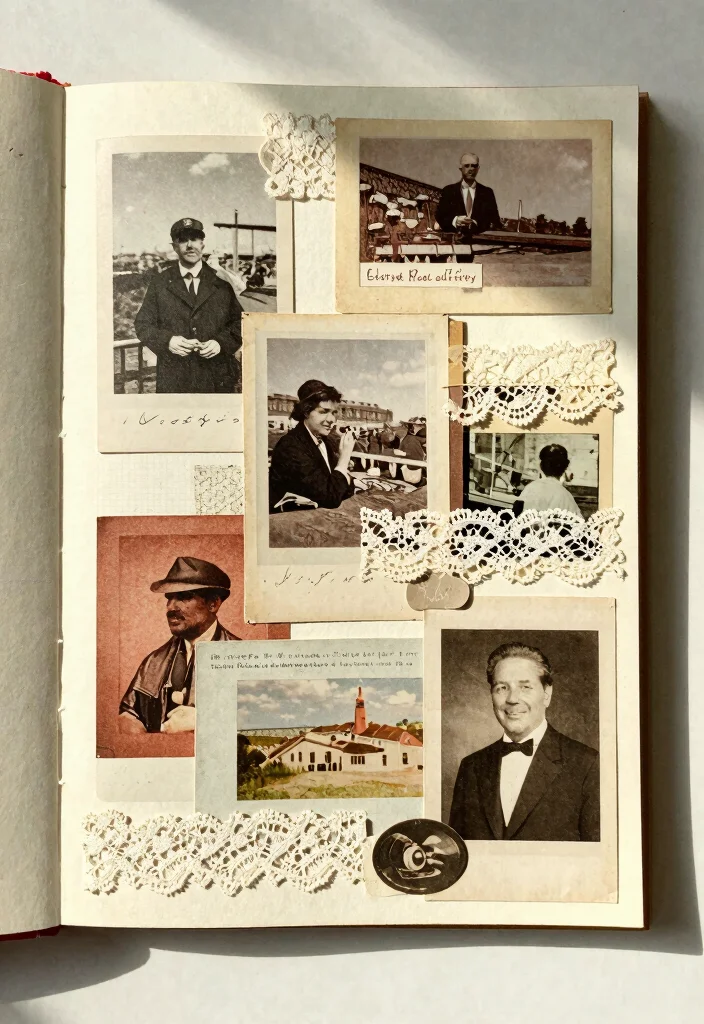
If you want to add character to your history files, consider a vintage ephemera collage. This creative method involves collecting delightful historical items like postcards, old photographs, and ticket stubs, then arranging them into stunning collages on your file covers. Not only does this make your files stand out, but it also pays tribute to the unique stories behind each piece, using a mix of textures and colors for added visual interest.
To bring this idea to life, start by choosing a theme that speaks to you, such as travel or art. Layer your materials for depth, and don’t be shy about using scissors to create unique shapes or torn edges for a rustic touch. Finally, seal your collage with a decoupage medium for a finished look that’s both artistic and durable.
Key steps to create your collage:
– Select a historical theme that inspires you
– Layer pieces for visual depth and interest
– Seal your collage with decoupage medium
Embracing vintage materials not only beautifies your files but also preserves fragments of history in a creative way.
2. Handwritten Labels and Tags
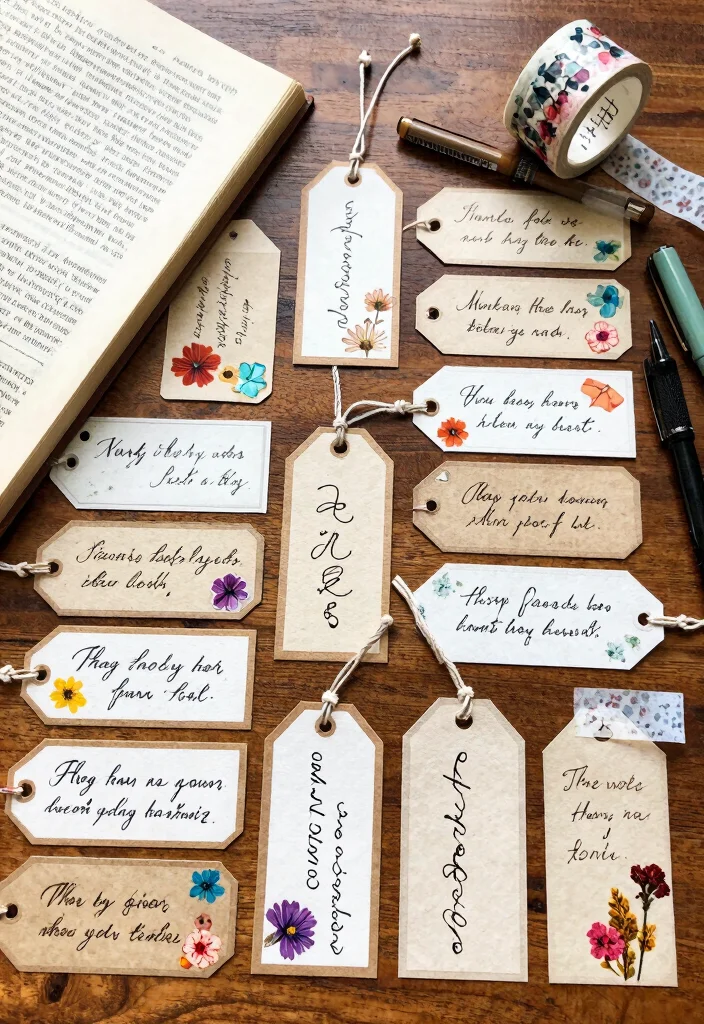
Personalize your history files with handwritten labels and tags. Instead of opting for printed labels, take the time to craft custom tags that describe your file contents. This not only simplifies finding items but also adds a unique touch that enhances your vintage aesthetic.
To create your labels, start by choosing materials like aged paper or thick cardstock for durability. Select elegant writing tools, such as calligraphy pens or fine-tip markers, and experiment with different styles that suit your taste. Don’t forget to add decorative elements like stickers or pressed flowers for an extra flair.
Steps to create your labels:
– Choose aged paper or thick cardstock
– Use calligraphy pens for an elegant finish
– Add embellishments like stickers or flowers
Your unique labels will infuse your workspace with personality and history, making it a more inviting space.
3. Antique Book Covers as File Folders
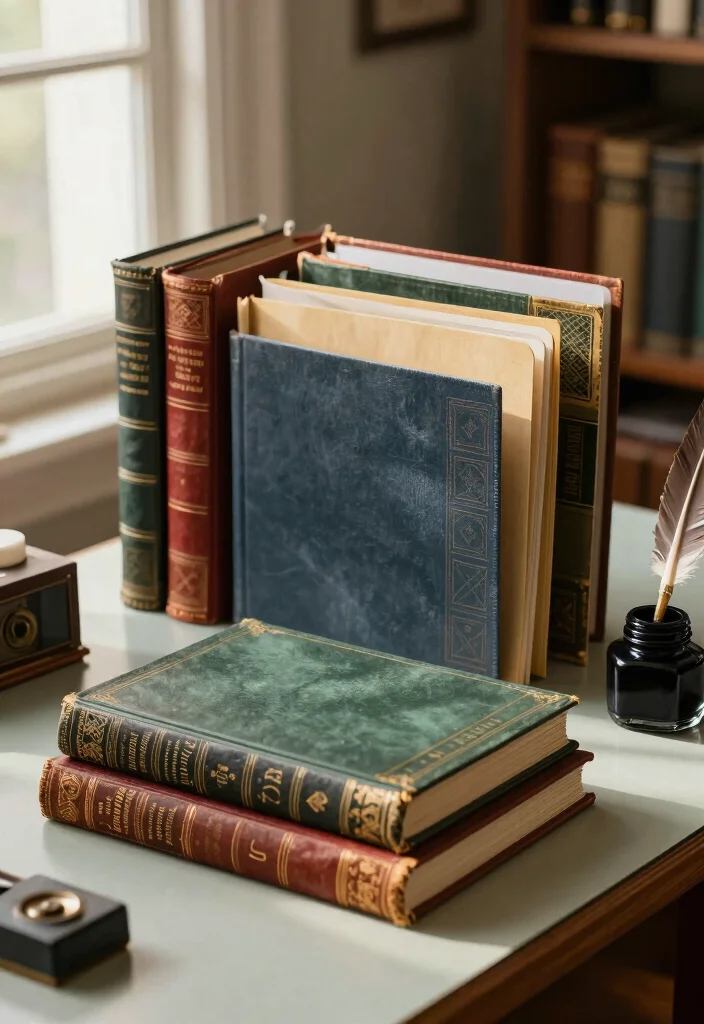
Turn antique book covers into charming file folders for a blend of nostalgia and utility. This innovative approach allows you to repurpose old books that may no longer be in use, saving space while adding a touch of history to your office.
To create these folders, start by selecting sturdy books with appealing covers. Carefully remove the pages, reinforcing the spine if necessary, and consider leaving some pages intact for added character. Finally, label your folders using adhesive labels or handwritten tags to keep everything organized.
Steps to create antique folders:
– Find sturdy books with attractive covers
– Carefully cut out the pages and reinforce the spine
– Use labels to identify folder contents
This creative method not only organizes your files but also weaves literary history into your workspace, sparking conversations and inspiration.
4. Scrapbook-Style Page Dividers
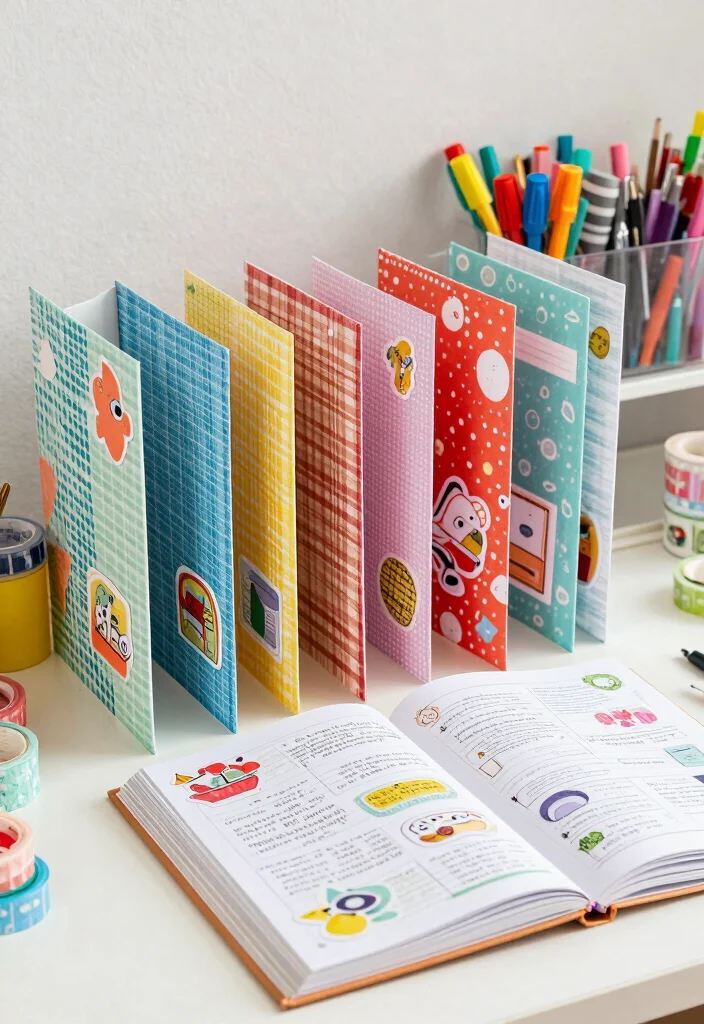
Add a splash of creativity to your history files with scrapbook-style page dividers. Using an array of scrapbook materials, you can craft dividers that are not only functional but also visually captivating.
Start by gathering materials like colorful cardstock and patterned papers that align with your theme. Ensure your dividers are cut to the right size to slightly extend beyond the pages for a polished look. Design them uniquely to reflect the categories of your files, using stickers and decorative scissors for extra flair.
Steps to create scrapbook-style dividers:
– Gather cardstock and patterned papers
– Cut dividers to slightly larger than page size
– Personalize with stickers and markers
By creating mini artwork in the form of dividers, you’ll find motivation to keep your files organized while enjoying their beauty in your workspace.
5. Vintage Postcard Display Board
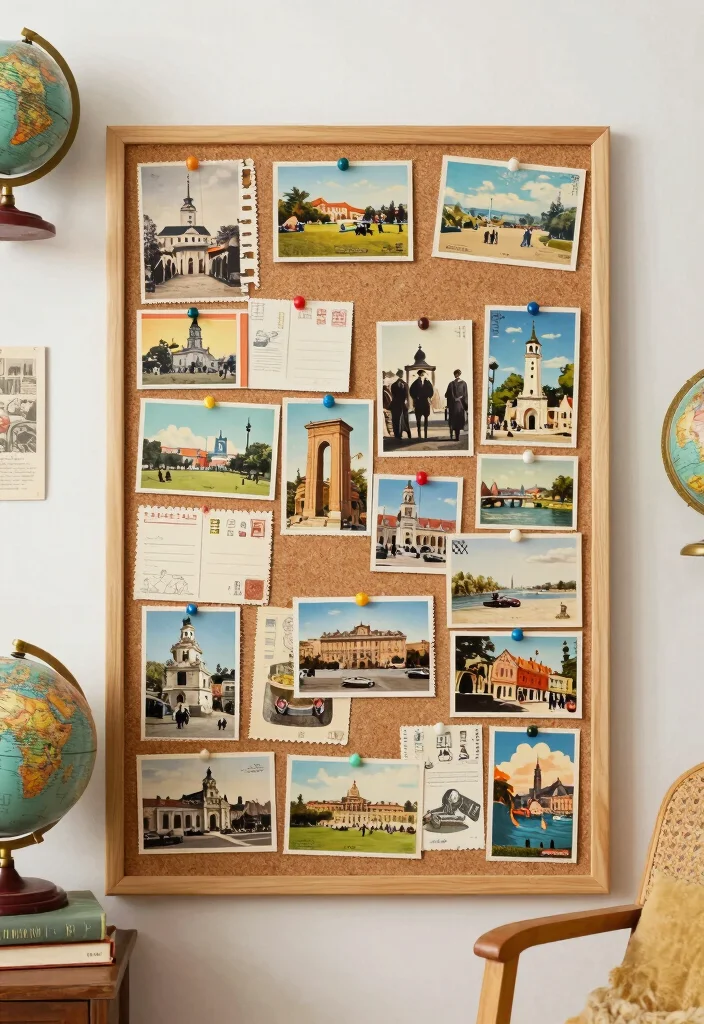
Design a vintage postcard display board that serves both as decor and an organizational tool. This idea lets you showcase beautiful postcards while keeping them handy for reference when working on your history files, merging functionality with artistic expression.
To create your display board, select an assortment of vintage postcards that resonate with your interests. Choose a suitable board, like a corkboard or a wooden frame with twine, as your backdrop. Lastly, arrange and pin your postcards in an attractive layout, using decorative push pins for added charm.
Steps to create your display board:
– Choose various vintage postcards for visual interest
– Use a corkboard or wooden frame as your base
– Pin postcards in an aesthetically pleasing arrangement
This vibrant display not only enhances the aesthetics of your space but also serves as a constant source of inspiration while you engage in your historical projects.
How To Choose History File Decoration Ideas
When it comes to decorating your history files, you want your choices to be not only appealing but also meaningful. Here are some tips to help you select the right history file decoration ideas that resonate with your personal style and organizational needs.
1. Consider Your Theme
Choosing a theme is key. Do you want a vintage look, a nature-inspired design, or perhaps a historical craft project vibe? Think about what reflects your personality and the documents you’ll organize. For instance, if you’re working with old maps, a nautical theme could be fitting.
2. Think About Materials
The materials you use can greatly affect both aesthetics and functionality. Items like vintage paper, fabric, or even natural elements can add a unique touch. Consider durability too; you want decorations that can withstand time and frequent handling. For example, using cardstock for labels can ensure they don’t easily tear.
3. Personalization is Key
Personalizing your files makes them uniquely yours. Handwritten labels, custom tags, or family photos can add warmth and character. Take time to include details that resonate with you, like important dates or quotes that inspire you. This adds a deeper connection to your organizing system.
4. Budget Considerations
Decorating your history files doesn’t have to be expensive. Consider what materials you already have at home. You can often repurpose items like old postcards or scrap paper for a creative spin. Set a budget before you start shopping for any additional supplies to ensure you don’t overspend.
5. Size and Space Planning
Think about the size of your files. Will you be using standard letter-size folders, or do you have larger documents? Ensure your decorations fit well without overwhelming the space. For example, oversized tags may not suit smaller files. Measure if necessary to ensure a good fit.
6. Functional Features
Decorations should not only look good but also serve a purpose. Incorporate features like tabs or dividers that help you organize documents effectively. You can design scrapbook-style dividers, which help separate different topics or time periods, making it easier to find what you need.
Pro Tip: Before you dive into decorating, create a mood board. Collect inspiration from various sources to visualize the overall look you want to achieve. This helps align your choices and keeps your project focused!
By considering these criteria, you’ll be better equipped to choose history file decoration ideas that aren’t just neat but also eye-catching and functional. Happy crafting!
6. Nature-Inspired File Covers
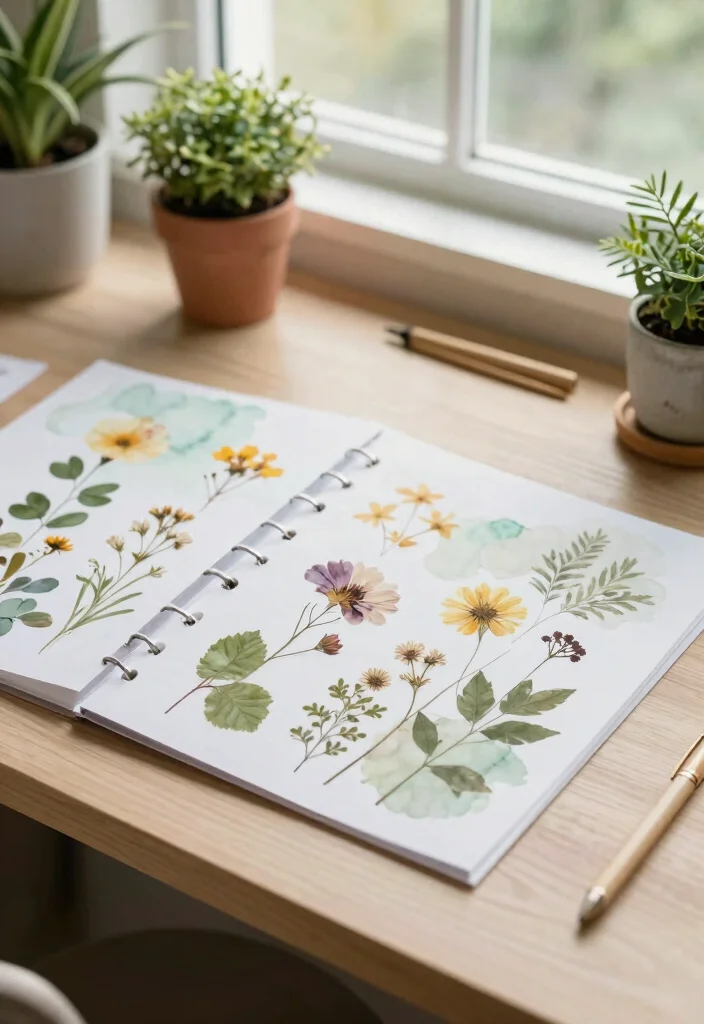
Infuse your workspace with serenity by using nature-inspired file covers. This approach enhances your history files with earthy tones and organic designs, celebrating the beauty of the natural world.
To design these covers, start by selecting natural elements like pressed flowers or leaves, or even nature-themed scrapbook paper. Create a simple background that complements these elements, using soft colors or watercolor designs. Thoughtfully attach your natural items with glue or layer paper designs for a rich effect.
Steps to create nature-inspired covers:
– Choose pressed flowers or leaves for decoration
– Use soft colors or watercolor backgrounds
– Attach elements securely with glue
These nature-inspired decorations not only beautify your files but also create a calming workspace that connects you with the outdoors.
7. Themed File Bundles with Ribbons
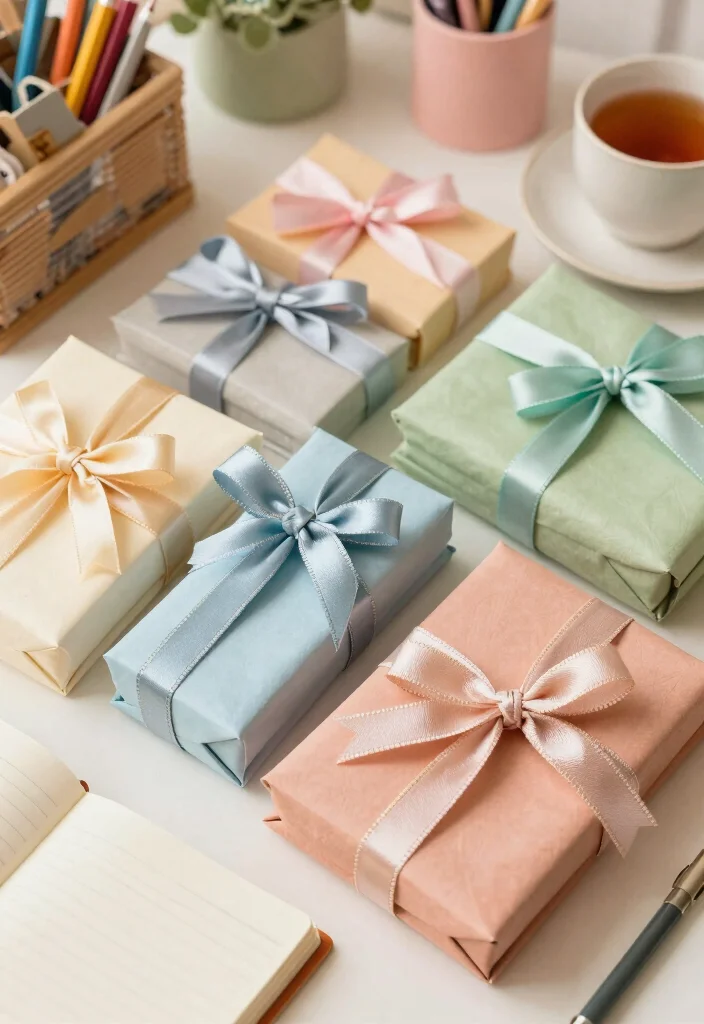
Organize your history files with themed file bundles tied together with beautiful ribbons. This effective design technique not only categorizes your files but also adds a charming vintage touch to your workspace.
To create these bundles, start by selecting vintage-style ribbons in colors that align with your themes. Group your files based on categories or specific projects, then use ribbons to secure each bundle and attach a tag describing the contents.
Steps to create themed bundles:
– Choose vintage-style ribbons in matching colors
– Group files by categories or projects
– Secure bundles with ribbons and label them
This method enhances both organization and aesthetics, making it easy to find specific themes while keeping your workspace chic.
Fun fact: themed file bundles with ribbons can dramatically slash search time in a busy workspace. For history file decoration ideas that really work, group by project, tie with vintage ribbons, and add a clear tag.
8. Old Maps as Backgrounds
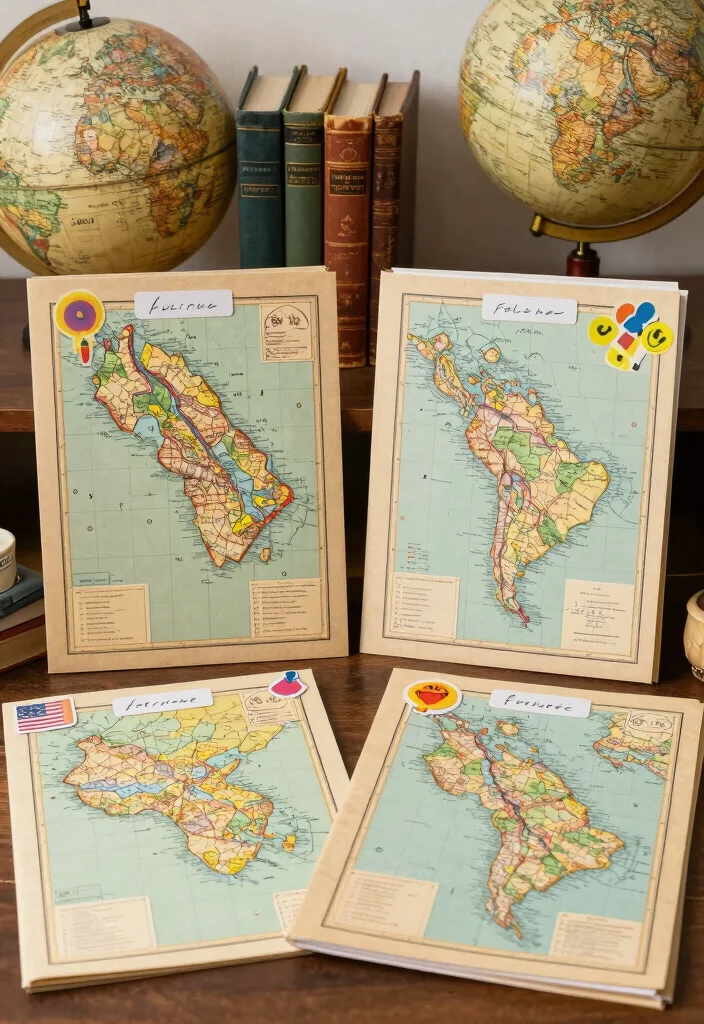
Using old maps as backgrounds for your file covers is a unique decoration idea that evokes a sense of adventure and history. This approach not only adds visual interest but also sparks curiosity about the places represented on the maps.
To implement this idea, source old maps from online shops, antique stores, or vintage bookshops. Cut the maps to fit your file covers, focusing on the most interesting sections. Finally, adorn the covers with decorative stickers, washi tape, or handwritten labels for a personalized touch.
Steps to use old maps:
– Find old maps from various sources
– Cut maps to fit your file covers
– Personalize with decorative accents
This idea resonates with history enthusiasts and brings an adventurous spirit to your workspace!
Old maps as backgrounds turn a plain file cover into history file decoration ideas that spark curiosity. Cut vintage maps to fit, seal with a light coat of Mod Podge, and finish with stickers and tape for an adventurous, date-stamped look.
9. Personalized History Journals
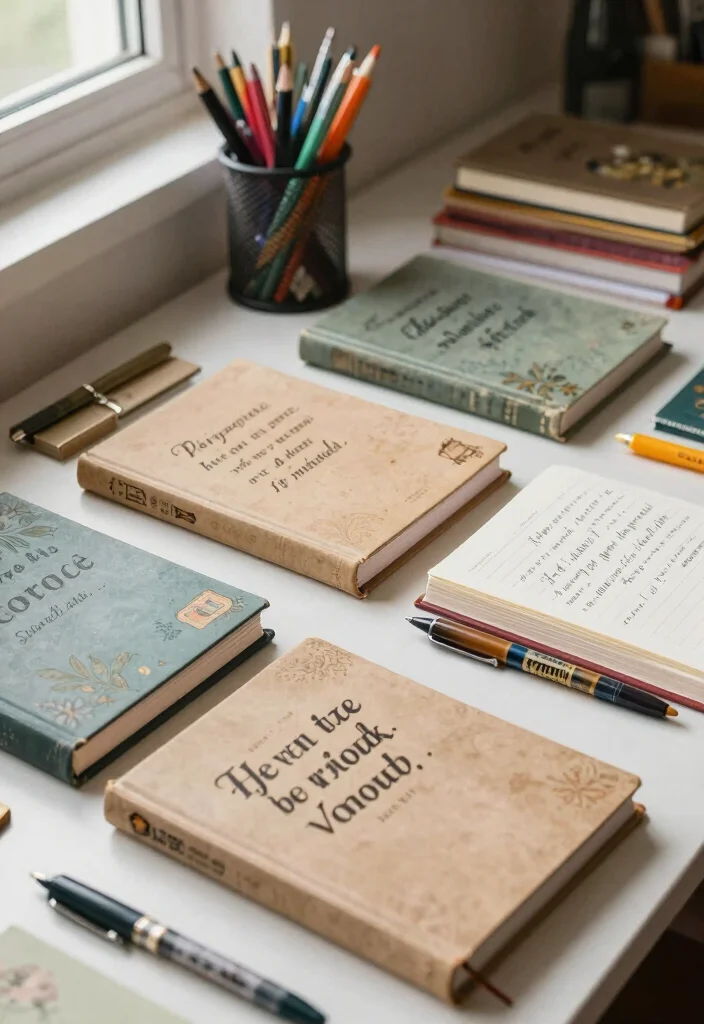
Create personalized history journals that complement your file organization, providing a space to jot down thoughts and important references. These journals serve as creative companions to your history files, enhancing organization and inspiration.
Start by selecting beautiful covers that resonate with your historical theme, whether vintage leather or decorative paper. Include a variety of pages, such as lined, blank, and graph paper, for versatility. Add inspirational quotes related to history, handwritten or printed, to spark motivation.
Steps to create your journals:
– Choose covers that resonate with your theme
– Include a mix of lined and blank pages
– Add meaningful quotes for inspiration
These personalized journals not only enhance your organization but also encourage creativity, making your DIY office decor more meaningful.
10. Seasonal File Decor
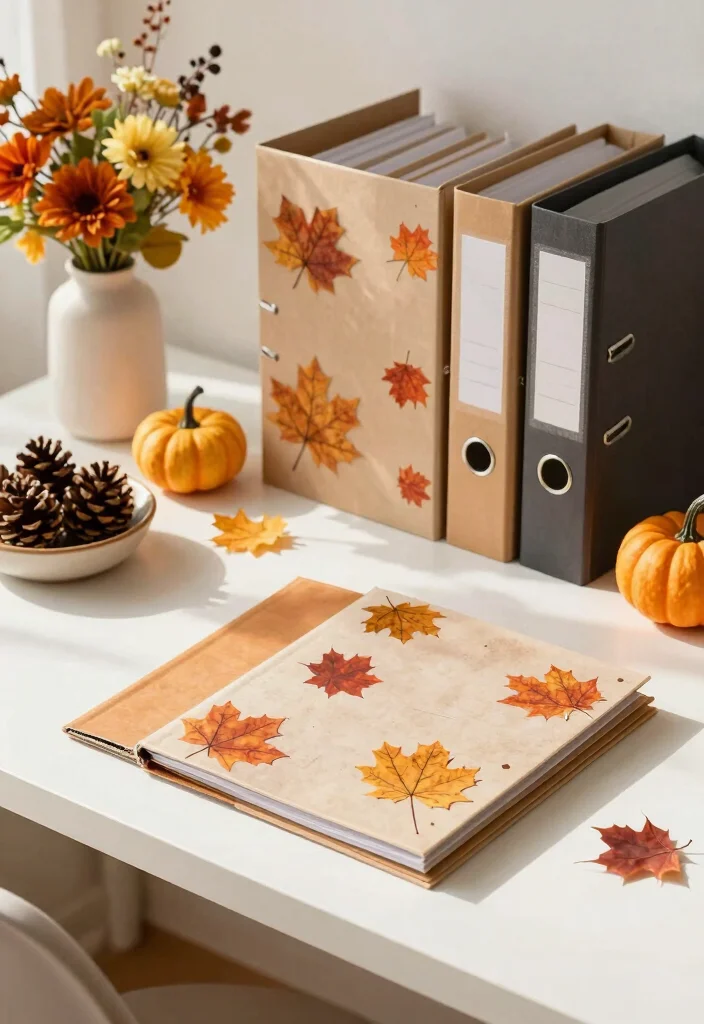
Add a refreshing twist to your workspace with seasonal file decor. By changing your decorations with the seasons, your history files remain visually engaging and inspire creativity throughout the year.
Incorporate seasonal elements by selecting decorations that reflect the current season, such as autumn leaves or spring flowers. Create a few rotating accent pieces, like file covers or tags, that you can swap out easily. Use natural elements, such as pinecones in winter or fresh blooms in spring, to keep things lively.
Steps to incorporate seasonal decor:
– Choose decorations that reflect the current season
– Create rotating pieces for easy swapping
– Use natural elements to keep decor engaging
By celebrating the changing seasons through your file decor, you bring a dynamic and inspiring element to your workspace all year round.
Fun fact: rotating seasonal file decor can spark fresh ideas, boosting creativity in history file decoration ideas by up to 30%. Swap in autumn leaves or spring blooms, and your workspace invites inspiration every season.
Conclusion
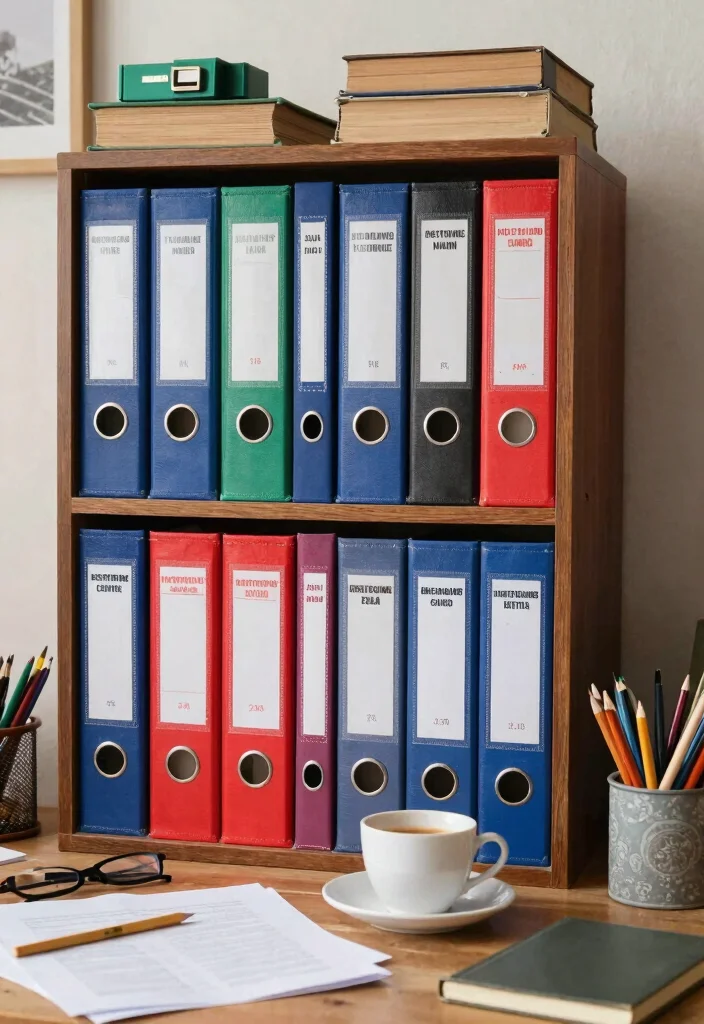
Incorporating these history file decoration ideas not only enhances the visual appeal of your workspace but also tells a story uniquely your own. Embracing vintage scrapbooking techniques allows for creativity to flourish while organizing your files meaningfully.
Whether it’s repurposing old maps or creating personalized journals, each idea invites you to add a personal touch to your DIY office decor. Try experimenting with different approaches and share the results to inspire fellow crafters!
Frequently Asked Questions
What are some history file decoration ideas to make DIY scrapbooks and vintage files stand out?
Explore history file decoration ideas that blend vintage scrapbooking techniques with practical file organization.
Try layering kraft paper, antique ephemera, and stamped dates on file tabs, then seal with a light matte finish for durability.
Use torn edges, inked edges, and a restrained color palette to keep things cohesive while still eye-catching.
For a quick start, pick a theme (like ‘memoirs’ or ‘travel logs’) and apply coordinating embellishments to each file.
Which supplies are essential for starter history file decoration ideas on a budget?
Starter supplies: archival glue, a corner rounder or scissors, washi tape, vintage postcards or images, printable labels, distress ink, and acid-free adhesives.
Stock up on kraft envelopes, cardstock, and a small binder or file folder set.
Add a protective spray and a perforator for neat edges to extend durability.
With these basics, you can start your history file decoration ideas on a budget while keeping DIY office decor vibes front and center.
How can I adapt history file decoration ideas for personalized scrapbooks and home office organization?
Make it personal by choosing a color palette that matches your space, adding family initials on tabs, dates of key events, and small captions that tell a story.
Use personalized file decoration elements like monogram labels, photo corners, or custom stamps.
Combine these with structured layouts so each file has a clear purpose, whether it’s ‘Receipts 1930s’ or ‘Travel Journals.’ This approach brings history file decoration ideas into practical, creative file organization for your home office or craft nook.
Are there durable techniques in history file decoration ideas that survive regular use?
Yes. Use acid-free, archival adhesives and layering with protective finishes to guard colors and textures.
Seal with a light UV-resistant spray or a matte varnish to protect against fading.
Consider lamination or clear sleeves for the most-used files, and keep inked elements to water-based inks to prevent feathering. These vintage scrapbooking techniques translate well to history file decoration ideas that last.
Can I use history file decoration ideas to create DIY office decor that feels vintage but organized?
Definitely. Start with a cohesive color story and a repeatable label style to achieve creative file organization that also looks vintage.
Decorate file pockets with simple stamps, archival stickers, and a touch of metal accents, then place them in a freestanding file rack or a wall-mounted organizer to create a practical DIY office decor display that sparks inspiration.
This is a perfect intersection of history file decoration ideas and creative file organization.
Related Topics
history file decoration
vintage scrapbooking
creative file organization
DIY office decor
personalized decoration
historical crafts
easy scrapbooking
crafting techniques
beginner friendly
unique file ideas
artistic organization
retro style